How does the defrosting system work on the windshield of a truck crane cabin?
 Language
 Français
 Español
 Árabe
Árabe
 Deutsch
 简体中文
简体中文
 Português
 Русский
 日本語
日本語
 한국어
한국어
 हिंदी
हिंदी
 Prancis
 Türkçe
 Tiếng Việt
 Italiano
 ไทย
ไทย

-
Tel
+86 15275228746
-
WhatsApp/WeChat
8615275228746
Blog
Company intro
10000m 2+ Cover Area QINGDAO TOP RUN INTERNATIONAL TRADE CO., LTD Qingdao Top Run International Trade Co., Ltd. has been a professional and leading supplier of construction machinery spare parts in China for over 15 years. With extensive experience and expertise, we have established strong partnerships with top manufacturers to offer a wide range of genuine and OEM parts for brands such as XCMG, SANY, ZOOMLION, SHANTUI, LIUGONG, and more. 80+ Employees View more Looking for properate products? Contact us
Send Message
How does the defrosting system work on the windshield of a truck crane cabin?
Aug 14, 2025
View: 213
As a supplier of Truck Crane Cabins, I've had the privilege of delving deep into the intricate components and systems that make these cabins functional and safe. One of the critical features that often goes unnoticed but plays a vital role in the operation of a truck crane is the windshield defrosting system. In this blog, I'll take you through how the defrosting system works on the windshield of a truck crane cabin.
The Importance of a Windshield Defrosting System
Before we dive into the mechanics, let's understand why a defrosting system is so crucial for a truck crane cabin. Truck cranes operate in a wide range of environmental conditions, from scorching deserts to freezing tundras. In cold weather, the windshield can quickly accumulate frost, ice, or condensation, severely impairing the operator's visibility. This lack of visibility can lead to dangerous situations, such as misjudging distances, colliding with obstacles, or even causing accidents. A reliable defrosting system ensures that the windshield remains clear, allowing the operator to have a clear line of sight and operate the crane safely.
Types of Defrosting Systems
There are primarily two types of defrosting systems used in truck crane cabins: hot air defrosting and electric defrosting.
Hot Air Defrosting
Hot air defrosting is the most common method used in truck crane cabins. It works by using the heat generated by the engine's cooling system. Here's a step-by-step breakdown of how it operates:
- Heat Source: The engine produces a significant amount of heat during its operation. This heat is transferred to the coolant, which circulates through the engine block and absorbs the excess heat.
- Heater Core: The heated coolant then flows into the heater core, which is a small radiator located inside the cabin. The heater core acts as a heat exchanger, transferring the heat from the coolant to the air passing through it.
- Blower Fan: A blower fan is used to force air through the heater core. As the air passes through the heater core, it gets heated up and becomes hot air.
- Defrost Vents: The hot air is then directed towards the windshield through a series of defrost vents located at the base of the windshield. These vents are designed to distribute the hot air evenly across the windshield, melting the frost, ice, or condensation.
One of the advantages of hot air defrosting is that it utilizes the existing heat from the engine, making it an energy-efficient option. However, it may take some time for the engine to reach its optimal operating temperature and for the defrosting process to become effective, especially in extremely cold conditions.
Electric Defrosting
Electric defrosting, on the other hand, uses electrical resistance to generate heat directly on the windshield. Here's how it works:
- Heating Elements: The windshield is equipped with thin, transparent heating elements that are embedded within the glass. These heating elements are made of a conductive material, such as indium tin oxide (ITO).
- Power Supply: When the defrosting system is activated, an electrical current is passed through the heating elements. As the current flows through the elements, they heat up due to the electrical resistance, raising the temperature of the windshield.
- Melting Frost and Ice: The heat generated by the heating elements melts the frost, ice, or condensation on the windshield, clearing the view for the operator.
Electric defrosting has the advantage of providing instant heat, allowing for quick defrosting even in very cold conditions. It is also more precise in its heating, as it can target specific areas of the windshield if needed. However, it requires a significant amount of electrical power, which can put a strain on the vehicle's electrical system.
Components of the Defrosting System
Regardless of the type of defrosting system used, there are several key components that are essential for its proper operation.
Thermostat
A thermostat is used to regulate the temperature of the defrosting system. It monitors the temperature of the air or the windshield and adjusts the flow of hot air or electrical current accordingly. This ensures that the defrosting system operates at an optimal temperature, preventing overheating or underheating.
Control Switch
The control switch allows the operator to turn the defrosting system on and off. It may also have different settings, such as low, medium, and high, to adjust the intensity of the defrosting.
Air Ducts and Vents
Air ducts and vents are used to direct the hot air towards the windshield. They are designed to ensure that the air is distributed evenly across the windshield, providing maximum coverage and efficiency.
Fuses and Relays
Fuses and relays are used to protect the defrosting system from electrical overloads. They act as safety devices, breaking the circuit if there is a short circuit or excessive current flow, preventing damage to the components.
Maintenance and Troubleshooting
To ensure the proper functioning of the defrosting system, regular maintenance is essential. Here are some maintenance tips:
- Check the Coolant Level: If you have a hot air defrosting system, make sure to check the coolant level regularly. Low coolant levels can affect the efficiency of the defrosting system.
- Inspect the Heating Elements: For electric defrosting systems, inspect the heating elements for any signs of damage or wear. If you notice any cracks or breaks in the elements, they should be replaced immediately.
- Clean the Air Ducts and Vents: Over time, dust and debris can accumulate in the air ducts and vents, blocking the flow of hot air. Clean them regularly to ensure proper airflow.
- Test the Control Switch: Periodically test the control switch to make sure it is functioning properly. If it is not working, it may need to be replaced.
If you encounter any problems with the defrosting system, here are some common troubleshooting steps:
- Check the Fuses and Relays: If the defrosting system is not working at all, check the fuses and relays to see if they have blown. Replace any blown fuses or relays with the appropriate ones.
- Inspect the Blower Fan: If the hot air is not being blown towards the windshield, check the blower fan to see if it is working. If it is not, it may need to be repaired or replaced.
- Check the Heater Core: If the hot air is not hot enough, there may be a problem with the heater core. Check for any leaks or blockages in the heater core and have it repaired or replaced if necessary.
Conclusion
The defrosting system on the windshield of a truck crane cabin is a critical component that ensures the safety and visibility of the operator. Whether it's a hot air defrosting system or an electric defrosting system, understanding how it works and how to maintain it is essential for the proper operation of the crane. As a Truck Crane Cabin supplier, we are committed to providing high-quality cabins with reliable defrosting systems. If you're in the market for a truck crane cabin or need to replace your existing defrosting system, we'd love to hear from you. Contact us to discuss your requirements and explore how we can meet your needs.
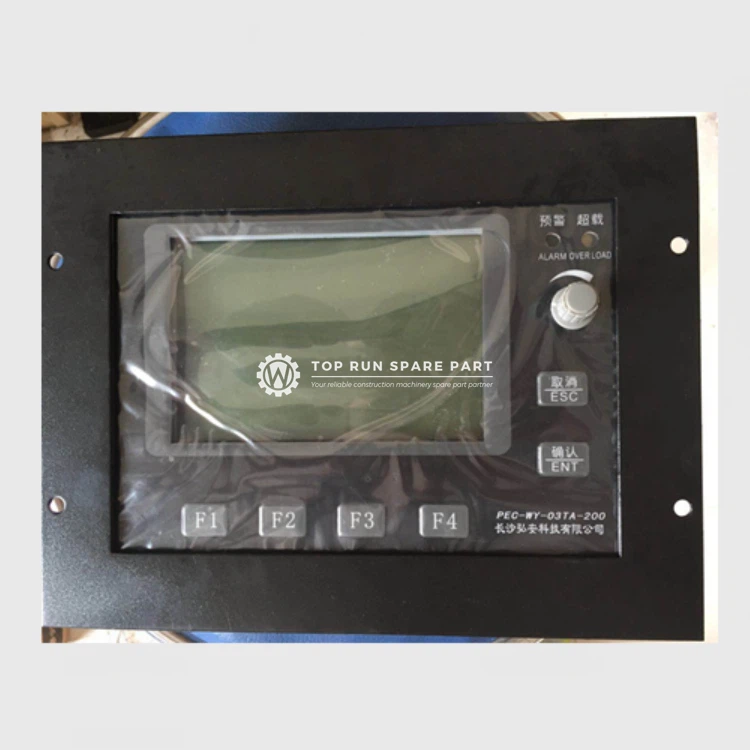
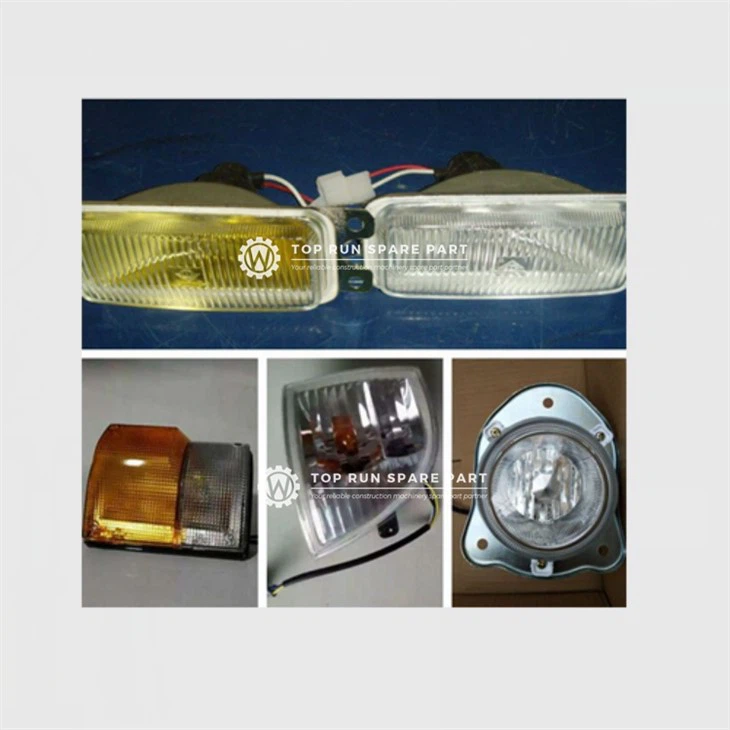
In addition to our defrosting systems, we also offer a wide range of spare parts for truck cranes, including the WIDE LMI Load Moment Limiter ASSY 1021500, Truck Crane Lights, and Crane Moment Limiter. These parts are designed to enhance the performance and safety of your truck crane.
References
- Automotive Engineering Handbook, Society of Automotive Engineers (SAE)
- Truck Crane Operation and Maintenance Manuals
Categories
QR Code


