How does the gear material affect the performance of a triple gear pump?
 Language
 Français
 Español
 Árabe
Árabe
 Deutsch
 简体中文
简体中文
 Português
 Русский
 日本語
日本語
 한국어
한국어
 हिंदी
हिंदी
 Prancis
 Türkçe
 Tiếng Việt
 Italiano
 ไทย
ไทย

-
Tel
+86 15275228746
-
WhatsApp/WeChat
8615275228746
Blog
Company intro
10000m 2+ Cover Area QINGDAO TOP RUN INTERNATIONAL TRADE CO., LTD Qingdao Top Run International Trade Co., Ltd. has been a professional and leading supplier of construction machinery spare parts in China for over 15 years. With extensive experience and expertise, we have established strong partnerships with top manufacturers to offer a wide range of genuine and OEM parts for brands such as XCMG, SANY, ZOOMLION, SHANTUI, LIUGONG, and more. 80+ Employees View more Looking for properate products? Contact us
Send Message
How does the gear material affect the performance of a triple gear pump?
Jul 7, 2025
View: 196
Hey there! I'm a supplier of Triple Gear Pump. Today, I wanna have a chat about how the gear material affects the performance of a triple gear pump.
Let's start with the basics. A triple gear pump is a key component in many hydraulic systems. It works by using three gears to move fluid from the inlet to the outlet. The performance of this pump is super important for the overall efficiency and reliability of the system it's in. And one of the major factors that can influence its performance is the material the gears are made of.
Strength and Durability
First off, the strength and durability of the gear material are crucial. In a triple gear pump, the gears are constantly meshing and rotating. They face a lot of mechanical stress, like friction and pressure. If the material isn't strong enough, the gears can wear out quickly. This leads to a decrease in the pump's efficiency and can even cause it to fail.
For example, steel is a commonly used material for gears in triple gear pumps. Steel is known for its high strength and good wear - resistance. It can handle high - pressure and high - speed operations without getting damaged easily. When you use steel gears, the pump can run for a long time without much maintenance. On the other hand, if you use a weaker material, say a soft plastic, the gears will start to show signs of wear after just a short period of use. The teeth might get chipped or worn down, which messes up the smooth operation of the pump.
Corrosion Resistance
Another big factor is corrosion resistance. In many applications, the fluid being pumped can be corrosive. It could be a chemical solution or a fluid that contains water and oxygen, which can cause rusting. If the gear material isn't corrosion - resistant, the gears will start to corrode. This not only weakens the gears but also contaminates the fluid being pumped.
Stainless steel is a great choice when it comes to corrosion resistance. It has a protective layer that prevents it from reacting with the corrosive elements in the fluid. This means the gears can stay in good condition even when pumping corrosive fluids. But if you use a regular carbon steel, it will start to rust when exposed to a corrosive environment. This rust can then flake off and get into the fluid, causing blockages in the system and reducing the pump's performance.
Thermal Properties
The thermal properties of the gear material also play a role. When the pump is running, there's friction between the gears, which generates heat. If the material can't handle the heat well, it can expand or deform. This can change the clearances between the gears, affecting the pump's volumetric efficiency.
Some materials, like bronze, have good thermal conductivity. This means they can dissipate heat quickly, keeping the gears at a stable temperature. As a result, the pump can operate at high speeds without overheating. In contrast, a material with poor thermal conductivity will trap the heat, causing the gears to expand. This expansion can lead to jamming or increased wear between the gears.
Cost - Performance Ratio
Of course, cost is always a consideration. Different materials have different prices, and you need to find a balance between cost and performance. For instance, some high - end materials like titanium alloys offer excellent strength, corrosion resistance, and thermal properties. But they are also very expensive.
On the other hand, cast iron is a more affordable option. It has decent strength and can be used in many general - purpose applications. As a supplier, I often work with customers to find the right material based on their specific needs and budget. If the application doesn't require extremely high performance, a more cost - effective material might be the way to go. But for critical applications where reliability and performance are top priorities, a more expensive but better - performing material could be worth the investment.
Impact on Noise and Vibration
The gear material can also affect the noise and vibration levels of the triple gear pump. A hard and smooth - running material can reduce the noise generated during operation. When the gears mesh smoothly, there's less clattering and rattling.
For example, gears made from sintered metal can have a more uniform structure compared to some other materials. This uniformity allows for smoother meshing, resulting in less noise and vibration. In a quiet working environment, this can be a huge advantage. If the gears are made from a material that causes a lot of noise and vibration, it can be annoying for the operators and might even indicate a problem with the pump's operation.
Compatibility with Seals and Other Components
The gear material needs to be compatible with the other components in the pump, especially the seals. The seals are there to prevent fluid leakage. If the gear material reacts with the seal material, it can cause the seals to degrade.
Some materials might release chemicals or particles that can damage the seals. For example, if you use a material that is too abrasive, it can wear down the seals over time. This can lead to fluid leakage, which not only reduces the pump's efficiency but can also be a safety hazard in some applications. So, when choosing the gear material, you need to make sure it's compatible with the seals and other components in the pump.
Impact on the Overall System
The performance of the triple gear pump can have a big impact on the overall system it's part of. A well - performing pump ensures that the fluid is delivered at the right pressure and flow rate. This is essential for the proper functioning of the entire system.
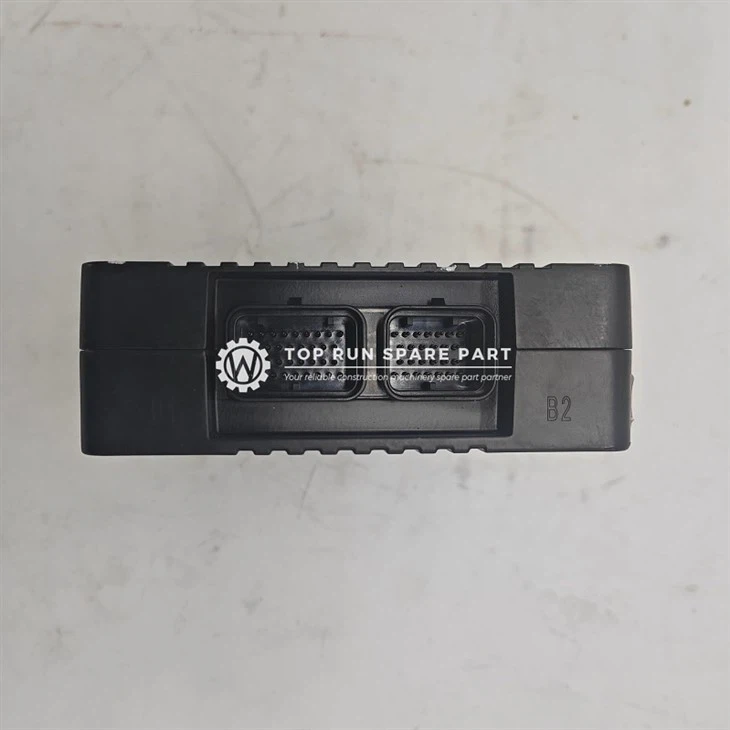
For example, in a crane system, a Triple Gear Pump is used to power the hydraulic cylinders. If the pump isn't working properly due to poor - quality gear material, the crane might not be able to lift heavy loads or move smoothly. This can lead to delays in construction projects and even pose a safety risk. In addition, other components in the system, like the Crane Controller, rely on the stable operation of the pump. Any issues with the pump can affect the performance of these components as well.
In some cases, a pump with a high - performance gear material can improve the overall efficiency of the system. It can reduce energy consumption and maintenance costs. For example, if the gears are made of a material that has low friction, the pump will require less power to operate. This can lead to significant savings in the long run.
Conclusion
In conclusion, the gear material has a huge impact on the performance of a triple gear pump. It affects everything from strength and durability to corrosion resistance, thermal properties, and cost - performance ratio. As a supplier, I understand the importance of choosing the right gear material for different applications.
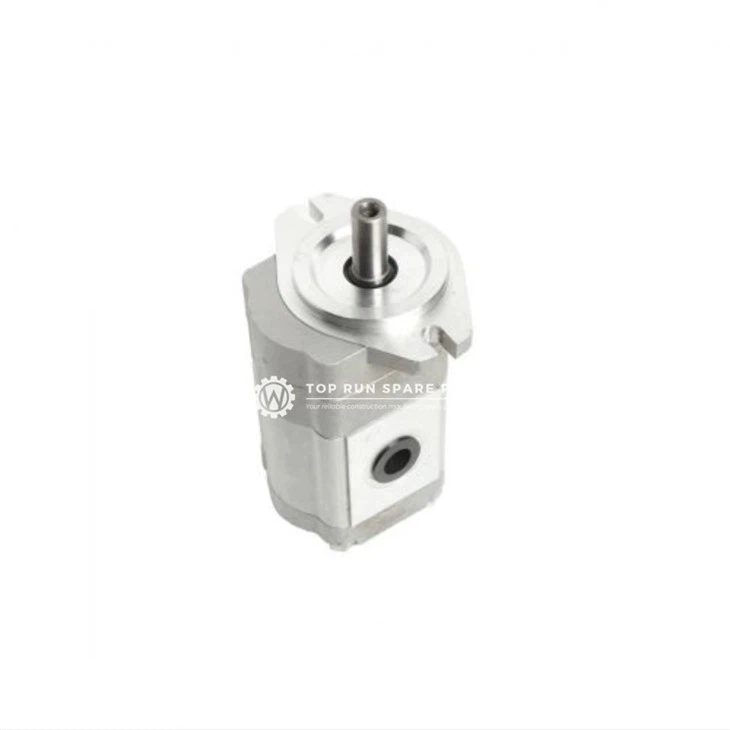
If you're in the market for a Triple Gear Pump, or if you need a 60185393 Gear Motor, or a Crane Controller, I'd be more than happy to help you find the right products with the appropriate gear materials. Just reach out, and we can have a detailed discussion about your requirements.
References
- "Hydraulic Pump Handbook"
- "Materials Science for Mechanical Engineers"
- Industry reports on triple gear pump performance and materials.
Categories
QR Code


