How to add additional sensors to a crane load display?
 Language
 Français
 Español
 Árabe
Árabe
 Deutsch
 简体中文
简体中文
 Português
 Русский
 日本語
日本語
 한국어
한국어
 हिंदी
हिंदी
 Prancis
 Türkçe
 Tiếng Việt
 Italiano
 ไทย
ไทย

-
Tel
+86 15275228746
-
WhatsApp/WeChat
8615275228746
Blog
Company intro
10000m 2+ Cover Area QINGDAO TOP RUN INTERNATIONAL TRADE CO., LTD Qingdao Top Run International Trade Co., Ltd. has been a professional and leading supplier of construction machinery spare parts in China for over 15 years. With extensive experience and expertise, we have established strong partnerships with top manufacturers to offer a wide range of genuine and OEM parts for brands such as XCMG, SANY, ZOOMLION, SHANTUI, LIUGONG, and more. 80+ Employees View more Looking for properate products? Contact us
Send Message
How to add additional sensors to a crane load display?
Sep 25, 2025
View: 216
Adding additional sensors to a crane load display can significantly enhance the safety, efficiency, and functionality of your crane operations. As a trusted Crane Load Display supplier, I have extensive experience in this field and am excited to share some valuable insights on how to achieve this effectively.
Understanding the Basics of Crane Load Displays
Before delving into the process of adding additional sensors, it's crucial to have a solid understanding of crane load displays. These devices are designed to provide real - time information about the load being lifted by the crane, including weight, angle, and radius. They play a vital role in preventing overloading, which can lead to dangerous situations such as crane collapse.
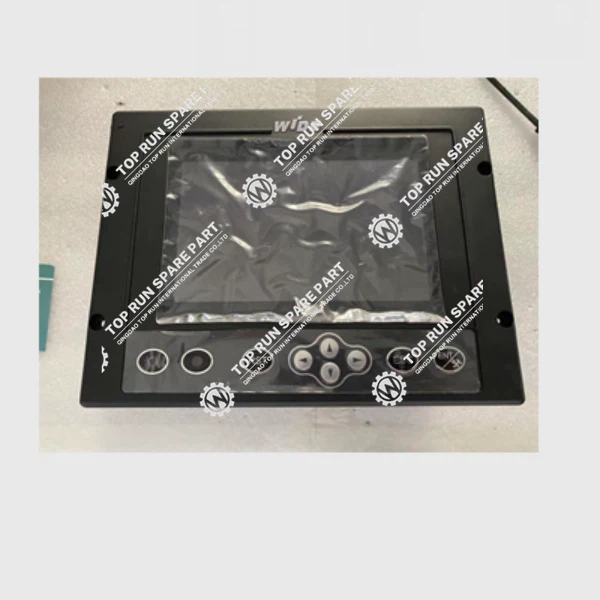
A typical crane load display consists of a central control unit, sensors, and a display screen. The sensors are responsible for collecting data, which is then processed by the control unit and presented on the display screen for the operator to monitor.
Reasons for Adding Additional Sensors
There are several reasons why you might want to add additional sensors to your crane load display. Firstly, it can improve safety. For example, adding a tilt sensor can help detect if the crane is operating on an uneven surface, which could pose a risk of instability. Secondly, it can enhance efficiency. A sensor that measures the speed of the load movement can provide valuable data for optimizing the lifting process. Additionally, it can expand the functionality of the crane, allowing it to handle more complex lifting tasks.
Types of Sensors That Can Be Added
- Load Cells: These are the most common type of sensors used in crane load displays. They measure the weight of the load being lifted. Adding extra load cells can provide more accurate weight measurements, especially for large or irregularly shaped loads.
- Angle Sensors: Angle sensors measure the angle of the crane boom. This information is crucial for calculating the load moment and ensuring that the crane is operating within its safe working limits.
- Tilt Sensors: As mentioned earlier, tilt sensors can detect the inclination of the crane. This is particularly important for mobile cranes that may operate on various terrains.
- Proximity Sensors: These sensors can detect the presence of nearby objects or structures. They can help prevent collisions, which is essential in crowded work environments.
Steps to Add Additional Sensors
Step 1: Assess Your Crane and Load Display System
The first step is to conduct a thorough assessment of your existing crane and load display system. You need to determine the compatibility of the system with the new sensors. Check the specifications of the load display unit to see if it has the capacity to support additional sensors. Also, consider the physical space available on the crane for installing the new sensors.
Step 2: Select the Appropriate Sensors
Based on your specific needs and the assessment results, select the sensors that are most suitable for your application. Consider factors such as accuracy, reliability, and durability. For example, if you are working in a harsh environment, you may need sensors that are resistant to dust, moisture, and vibration.
Step 3: Plan the Installation
Once you have selected the sensors, plan the installation process carefully. Determine the best locations for mounting the sensors on the crane. Make sure that the sensors are installed in a way that they can accurately measure the desired parameters. For example, load cells should be installed in a position where they can directly measure the load force.
Step 4: Install the Sensors
Follow the manufacturer's instructions for installing the sensors. This may involve wiring the sensors to the load display unit and ensuring that the connections are secure. It's important to take all necessary safety precautions during the installation process, such as wearing appropriate personal protective equipment.
Step 5: Calibrate the Sensors
After installing the sensors, they need to be calibrated. Calibration ensures that the sensors are providing accurate measurements. This typically involves comparing the sensor readings with a known standard. The calibration process may require specialized equipment and expertise, so it's advisable to have it done by a qualified technician.
Step 6: Test the System
Once the sensors are installed and calibrated, test the entire system to ensure that it is working properly. Conduct a series of test lifts with different loads to verify that the load display is providing accurate and reliable information. Check for any error messages or abnormal readings.
Compatibility and Integration
When adding additional sensors, compatibility and integration are key considerations. The new sensors must be compatible with the existing load display unit. This includes both hardware and software compatibility. Some load display units may require firmware updates to support the new sensors. It's also important to ensure that the sensors can communicate effectively with the load display unit and that the data is presented in a clear and understandable way on the display screen.
Cost Considerations
Adding additional sensors to a crane load display will incur some costs. These include the cost of the sensors themselves, the installation cost, and the cost of calibration. However, it's important to view these costs as an investment. The improved safety, efficiency, and functionality that the additional sensors provide can result in long - term savings and benefits.
Case Studies
Let's take a look at a couple of case studies to illustrate the benefits of adding additional sensors to a crane load display.
In a construction project, a crane was used to lift heavy pre - fabricated concrete panels. By adding a load cell and an angle sensor to the existing load display, the operators were able to accurately measure the weight and angle of the panels during lifting. This helped them avoid overloading and ensured that the panels were placed in the correct position. As a result, the project was completed more safely and efficiently, with fewer delays.
In another case, a mobile crane was used in a shipyard. Adding a tilt sensor and a proximity sensor to the load display system allowed the operators to detect any instability due to uneven ground and avoid collisions with nearby ships and structures. This significantly improved the safety of the crane operations in the busy shipyard environment.
Related Products
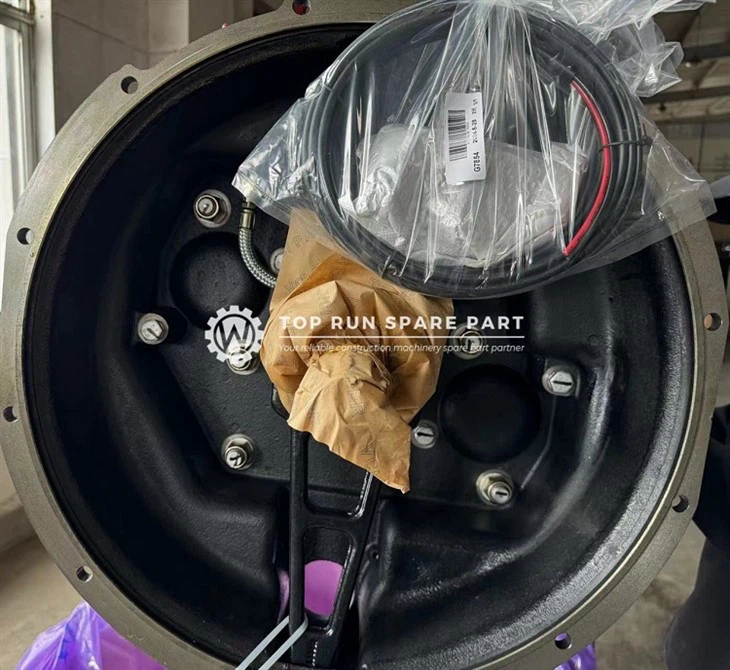
If you are looking for high - quality spare parts for your crane, we recommend checking out some of the products available on our website. For example, the Gearbox Assy Or Transmission is an essential component for the smooth operation of the crane. The WIDE LMI Load Moment Limiter ASSY 1021500 can enhance the accuracy of load moment calculations. And the Truck Crane Gearbox is a reliable choice for mobile cranes.
Contact Us for Procurement and Consultation
If you are interested in adding additional sensors to your crane load display or have any questions about our products and services, we encourage you to contact us. Our team of experts is ready to assist you with the selection, installation, and calibration of the sensors. We can also provide you with detailed information about our Crane Load Display products and related spare parts.
References
- ASME B30.5 - Mobile and Locomotive Cranes.
- OSHA 29 CFR 1926 Subpart CC - Cranes and Derricks in Construction.
- Crane Manufacturers Association of America (CMAA) standards.
Categories
QR Code


