How to adjust the pitch of a motor grader blade?
 Language
 Français
 Español
 Árabe
Árabe
 Deutsch
 简体中文
简体中文
 Português
 Русский
 日本語
日本語
 한국어
한국어
 हिंदी
हिंदी
 Prancis
 Türkçe
 Tiếng Việt
 Italiano
 ไทย
ไทย

-
Tel
+86 15275228746
-
WhatsApp/WeChat
8615275228746
Blog
Company intro
10000m 2+ Cover Area QINGDAO TOP RUN INTERNATIONAL TRADE CO., LTD Qingdao Top Run International Trade Co., Ltd. has been a professional and leading supplier of construction machinery spare parts in China for over 15 years. With extensive experience and expertise, we have established strong partnerships with top manufacturers to offer a wide range of genuine and OEM parts for brands such as XCMG, SANY, ZOOMLION, SHANTUI, LIUGONG, and more. 80+ Employees View more Looking for properate products? Contact us
Send Message
How to adjust the pitch of a motor grader blade?
May 27, 2025
View: 374
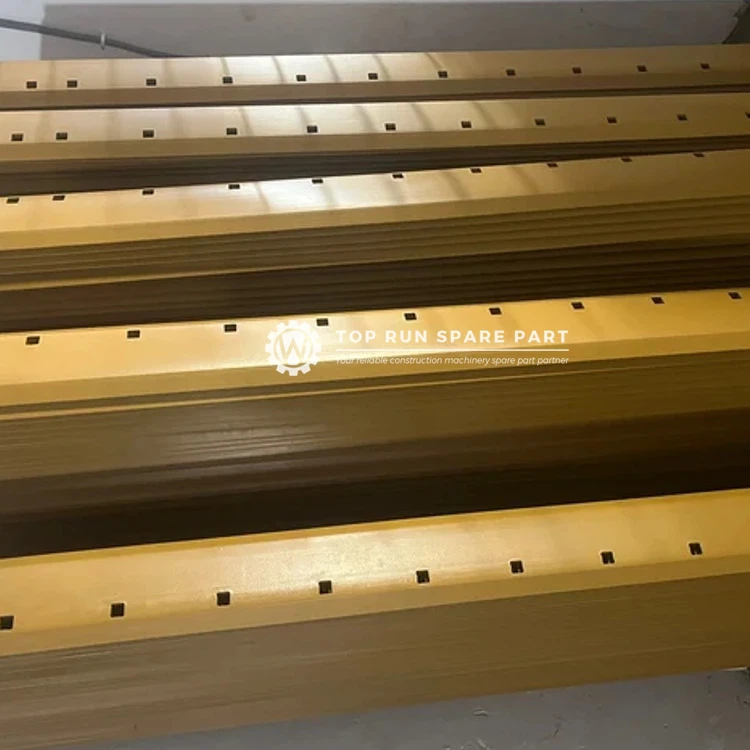
Adjusting the pitch of a motor grader blade is a crucial skill that can significantly impact the performance and efficiency of grading operations. As a supplier of Motor Grader Blade, I understand the importance of proper blade pitch adjustment. In this blog, I'll share some detailed insights on how to adjust the pitch of a motor grader blade, covering the reasons for adjustment, the tools required, and the step - by - step process.
Why Adjust the Pitch of a Motor Grader Blade?
The pitch of a motor grader blade refers to the angle at which the blade is set relative to the ground surface. Adjusting the pitch can optimize the grader's performance in various ways.
Material Handling: Different materials require different blade pitches for efficient cutting and spreading. For example, when working with loose soil, a steeper pitch can help the blade penetrate the ground more effectively and move larger volumes of material. On the other hand, when grading fine gravel or sand, a shallower pitch may be more appropriate to achieve a smooth finish.
Surface Finish: The pitch of the blade affects the quality of the surface finish. A well - adjusted pitch can help eliminate bumps and irregularities, resulting in a flat and even surface. This is especially important in applications such as road construction, where a smooth surface is essential for vehicle safety and comfort.
Blade Wear: Proper pitch adjustment can also reduce blade wear. When the blade is pitched correctly, it distributes the cutting forces evenly across the blade edge, preventing premature wear and extending the blade's service life.
Tools Required
Before you start adjusting the pitch of the motor grader blade, you'll need the following tools:
Wrenches: A set of wrenches is required to loosen and tighten the bolts that hold the blade in place. Make sure you have the correct size wrenches for your specific grader model.
Measuring Tools: A protractor or an angle gauge can be used to measure the pitch angle accurately. This helps ensure that the blade is set at the desired angle.
Safety Equipment: Safety should always be a top priority. Wear safety glasses, gloves, and appropriate clothing to protect yourself from any potential hazards during the adjustment process.
Step - by - Step Process
Here is a detailed step - by - step guide on how to adjust the pitch of a motor grader blade:
Step 1: Prepare the Grader
Park the motor grader on a level surface and engage the parking brake. Make sure the engine is turned off and the ignition key is removed to prevent any accidental movement of the grader during the adjustment process.
Inspect the blade for any signs of damage or excessive wear. If the blade is damaged, it may need to be replaced before adjusting the pitch.
Step 2: Locate the Pitch Adjustment Mechanism
The pitch adjustment mechanism varies depending on the grader model. In most cases, it consists of bolts or hydraulic cylinders that allow you to change the angle of the blade. Refer to the grader's operator's manual to locate the specific pitch adjustment points on your machine.
Step 3: Loosen the Locking Bolts
Using the appropriate wrenches, loosen the locking bolts that secure the blade in its current position. Be careful not to remove the bolts completely, as this could cause the blade to fall.
Step 4: Measure the Current Pitch Angle
Use a protractor or an angle gauge to measure the current pitch angle of the blade. This will give you a baseline for comparison and help you determine how much adjustment is needed.
Step 5: Make the Adjustment
Manual Adjustment: If your grader has a manual pitch adjustment mechanism, use the wrenches to turn the adjustment bolts. Turning the bolts in one direction will increase the pitch angle, while turning them in the opposite direction will decrease it. Make small adjustments at a time and re - measure the pitch angle after each adjustment.
Hydraulic Adjustment: For graders with hydraulic pitch adjustment, use the control levers to operate the hydraulic cylinders. Slowly adjust the cylinders until the desired pitch angle is achieved. Monitor the pitch angle using the measuring tool as you make the adjustment.
Step 6: Tighten the Locking Bolts
Once the blade is set at the desired pitch angle, use the wrenches to tighten the locking bolts securely. Make sure the bolts are tightened evenly to prevent the blade from shifting during operation.
Step 7: Test the Grader
Start the engine and test the grader by performing a short grading operation. Observe the performance of the blade and the quality of the surface finish. If necessary, make further adjustments to the pitch angle until you achieve the desired results.
Tips for Optimal Blade Pitch Adjustment
Refer to the Manufacturer's Recommendations: The grader's operator's manual provides specific guidelines on the recommended pitch angles for different materials and applications. Always refer to these recommendations to ensure optimal performance.
Regular Maintenance: Regularly inspect and maintain the pitch adjustment mechanism to ensure it is in good working condition. Lubricate the moving parts as recommended by the manufacturer to prevent rust and corrosion.
Training: Make sure the operators are properly trained on how to adjust the pitch of the motor grader blade. Proper training can help prevent costly mistakes and ensure the grader is used safely and efficiently.
Related Spare Parts
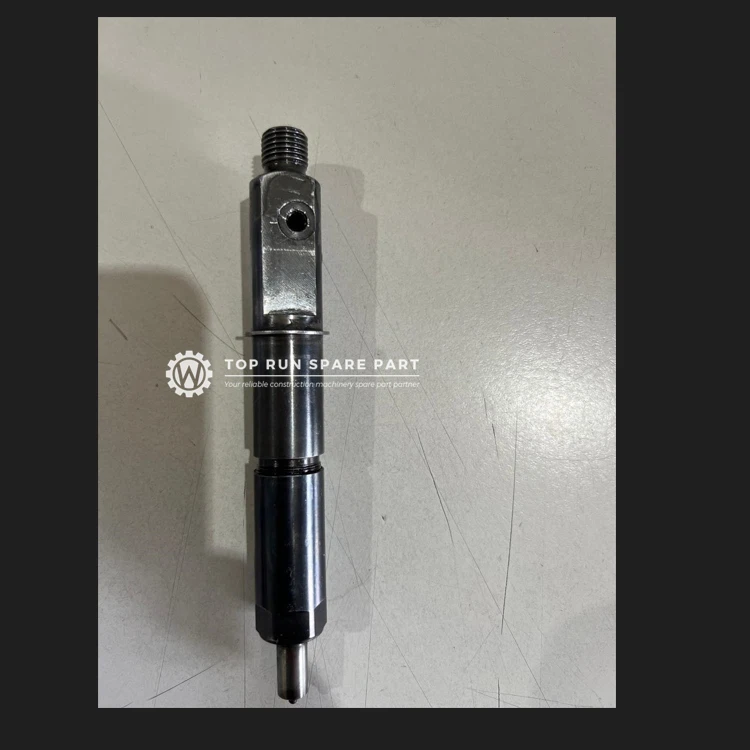
In addition to Motor Grader Blade, other important spare parts for motor graders include the Motor Grader Injector for XCMG. The injector plays a crucial role in the engine's fuel delivery system, ensuring efficient combustion and optimal performance. If you're also in need of Grader Blades, we have a wide range of high - quality options available to meet your specific requirements.
Conclusion
Adjusting the pitch of a motor grader blade is a skill that requires careful attention to detail and a good understanding of the grader's operation. By following the steps outlined in this blog and using the right tools, you can ensure that your motor grader blade is set at the optimal pitch for the task at hand. This will not only improve the performance and efficiency of your grading operations but also extend the service life of your blade.
If you're interested in purchasing high - quality Motor Grader Blade or other motor grader spare parts, please feel free to contact us for further information and to discuss your specific needs. We're committed to providing the best products and services to our customers.
References
Manufacturer's Operator Manuals for Motor Graders
Industry Standards and Best Practices for Motor Grader Operations
Categories
QR Code


