How to choose high - quality oil for an excavator compressor?
 Language
 Français
 Español
 Árabe
Árabe
 Deutsch
 简体中文
简体中文
 Português
 Русский
 日本語
日本語
 한국어
한국어
 हिंदी
हिंदी
 Prancis
 Türkçe
 Tiếng Việt
 Italiano
 ไทย
ไทย

-
Tel
+86 15275228746
-
WhatsApp/WeChat
8615275228746
Blog
Company intro
10000m 2+ Cover Area QINGDAO TOP RUN INTERNATIONAL TRADE CO., LTD Qingdao Top Run International Trade Co., Ltd. has been a professional and leading supplier of construction machinery spare parts in China for over 15 years. With extensive experience and expertise, we have established strong partnerships with top manufacturers to offer a wide range of genuine and OEM parts for brands such as XCMG, SANY, ZOOMLION, SHANTUI, LIUGONG, and more. 80+ Employees View more Looking for properate products? Contact us
Send Message
How to choose high - quality oil for an excavator compressor?
May 14, 2025
View: 38
As a seasoned supplier of Excavator Compressor, I understand the pivotal role that high - quality oil plays in the performance and longevity of an excavator compressor. Selecting the right oil is not just about keeping the machinery running; it's about optimizing its efficiency, reducing maintenance costs, and ensuring reliable operation in various working conditions. In this blog, I will share some key factors to consider when choosing high - quality oil for an excavator compressor.
Understanding the Function of Oil in an Excavator Compressor
Before delving into the selection process, it's essential to understand what oil does in an excavator compressor. The primary functions of oil include lubrication, cooling, sealing, and corrosion protection. Lubrication reduces friction between moving parts, minimizing wear and tear. Cooling helps dissipate the heat generated during compression, preventing overheating. Sealing ensures that the compressed air doesn't leak, maintaining the compressor's efficiency. Corrosion protection safeguards the internal components from rust and other forms of degradation.
Viscosity: The Foundation of Oil Selection
Viscosity is one of the most critical factors in choosing the right oil for an excavator compressor. It refers to the oil's resistance to flow. In simple terms, high - viscosity oils are thicker and flow more slowly, while low - viscosity oils are thinner and flow more easily.
The ideal viscosity depends on the operating temperature and the specific requirements of the compressor. In colder climates, a lower - viscosity oil is preferred as it can flow more freely at low temperatures, ensuring quick start - up and proper lubrication. On the other hand, in hot environments, a higher - viscosity oil is necessary to maintain a stable lubricating film between moving parts and prevent excessive wear.
Most compressor manufacturers provide viscosity recommendations in their user manuals. It's crucial to follow these guidelines to ensure optimal performance. For example, if the manufacturer recommends an oil with a viscosity grade of ISO 32 for normal operating conditions, using an oil with a significantly different viscosity can lead to increased energy consumption, reduced efficiency, and potential damage to the compressor.
Additives: Enhancing Oil Performance
Additives are chemicals added to the base oil to improve its performance and protect the compressor. Common additives include anti - wear agents, antioxidants, anti - foam agents, and detergents.
Anti - wear agents form a protective layer on the metal surfaces, reducing friction and wear. This is especially important in high - pressure areas of the compressor, such as the piston and cylinder. Antioxidants prevent the oil from oxidizing, which can lead to the formation of sludge and varnish. Oxidation can also cause the oil to thicken, reducing its lubricating properties.
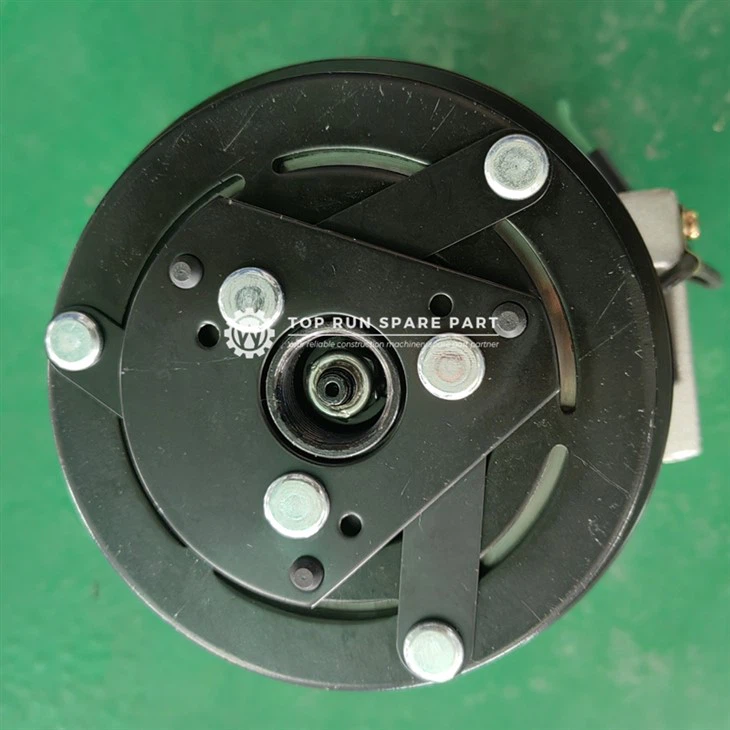
Anti - foam agents prevent the formation of foam in the oil. Foam can reduce the oil's ability to lubricate and cool the compressor, leading to increased wear and overheating. Detergents help keep the internal components clean by suspending dirt and contaminants in the oil, preventing them from settling on the surfaces and causing damage.
When choosing an oil, look for products that contain high - quality additives. Some oils are specifically formulated for use in excavator compressors and may have a balanced blend of additives to meet the unique requirements of these machines.
Compatibility with Compressor Materials
The oil must be compatible with the materials used in the compressor. Different compressors may have different internal components made of various metals, plastics, and elastomers. Using an incompatible oil can cause chemical reactions that damage these materials.
For example, some oils may contain additives that can react with certain elastomers, causing them to swell, shrink, or lose their sealing properties. This can lead to air leaks and reduced compressor efficiency. Before using a new oil, check the manufacturer's recommendations regarding oil - material compatibility. If in doubt, consult with the compressor manufacturer or an oil supplier for advice.

Oil Quality Standards
There are several industry standards that can help you assess the quality of an oil. The most well - known standards are those set by the American Petroleum Institute (API) and the International Organization for Standardization (ISO).
The API categorizes oils based on their performance and application. For example, oils with the API classification of "CJ - 4" are designed for heavy - duty diesel engines and may also be suitable for some excavator compressors. The ISO standards define the physical and chemical properties of oils, such as viscosity, flash point, and pour point.
When choosing an oil, look for products that meet or exceed the relevant industry standards. This ensures that the oil has been tested and proven to provide the necessary performance and protection for your excavator compressor.
Environmental Considerations
In today's environmentally conscious world, it's also important to consider the environmental impact of the oil you choose. Some oils are biodegradable and have a lower impact on the environment in case of spills or leaks.
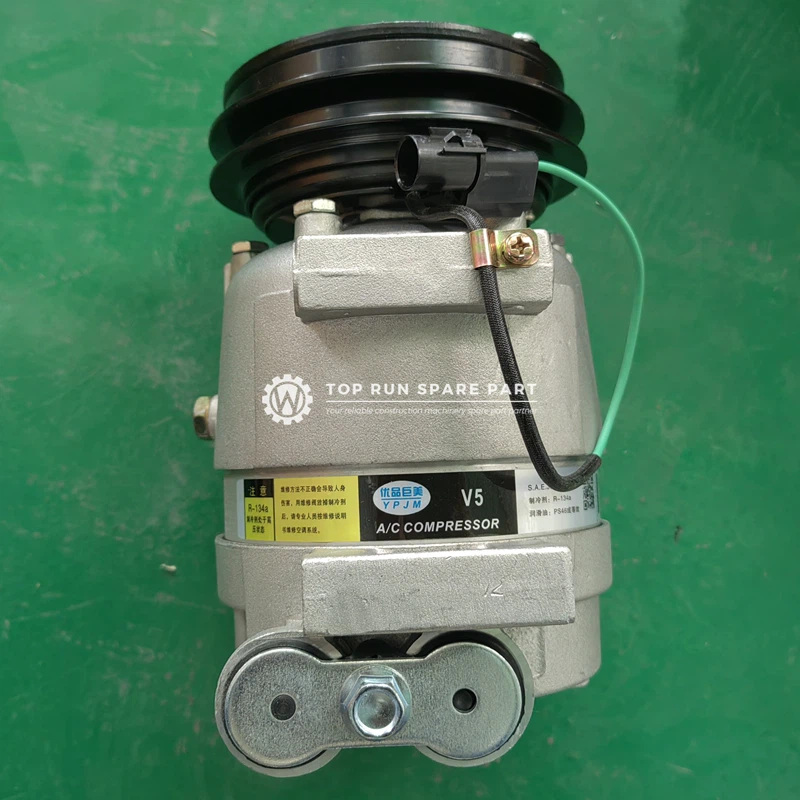
Biodegradable oils are typically made from natural or synthetic esters and can break down more quickly in the environment compared to traditional mineral oils. If your excavator compressor operates in sensitive areas, such as near water sources or in environmentally protected zones, using a biodegradable oil may be a more responsible choice.
Testing and Monitoring
Once you have chosen an oil for your excavator compressor, it's important to regularly test and monitor its condition. Oil analysis can provide valuable information about the oil's quality, the presence of contaminants, and the wear of the compressor components.
There are several methods of oil analysis, including spectroscopy, which can detect the presence of metals and other elements in the oil, and viscosity testing, which can measure the oil's resistance to flow. By regularly analyzing the oil, you can detect potential problems early and take appropriate action, such as changing the oil or performing maintenance on the compressor.
Conclusion
Choosing the right oil for an excavator compressor is a complex process that requires careful consideration of several factors, including viscosity, additives, compatibility, quality standards, and environmental impact. By understanding these factors and following the manufacturer's recommendations, you can ensure that your compressor operates at its best, reducing maintenance costs and extending its service life.
If you are in the market for an Excavator Compressor, Excavator Teeth, or Excavator Filters, we are here to assist you. We offer a wide range of high - quality products and can provide expert advice on oil selection and other related matters. Contact us today to start a procurement discussion and find the best solutions for your excavator needs.
References
- Compressor Manufacturer's User Manuals
- American Petroleum Institute (API) Standards
- International Organization for Standardization (ISO) Standards
- Industry Publications on Compressor Lubrication and Maintenance
Categories
QR Code


