How to ensure the security of data on a crane load display?
 Language
 Français
 Español
 Árabe
Árabe
 Deutsch
 简体中文
简体中文
 Português
 Русский
 日本語
日本語
 한국어
한국어
 हिंदी
हिंदी
 Prancis
 Türkçe
 Tiếng Việt
 Italiano
 ไทย
ไทย

-
Tel
+86 15275228746
-
WhatsApp/WeChat
8615275228746
Blog
Company intro
10000m 2+ Cover Area QINGDAO TOP RUN INTERNATIONAL TRADE CO., LTD Qingdao Top Run International Trade Co., Ltd. has been a professional and leading supplier of construction machinery spare parts in China for over 15 years. With extensive experience and expertise, we have established strong partnerships with top manufacturers to offer a wide range of genuine and OEM parts for brands such as XCMG, SANY, ZOOMLION, SHANTUI, LIUGONG, and more. 80+ Employees View more Looking for properate products? Contact us
Send Message
How to ensure the security of data on a crane load display?
Oct 6, 2025
View: 173
In the realm of crane operations, the crane load display stands as a critical component, providing real - time data on the load being handled. This data is not only essential for the safe and efficient operation of the crane but also for compliance with industry regulations. As a crane load display supplier, ensuring the security of the data on these displays is of utmost importance. In this blog, we will explore various strategies to safeguard this crucial information.
Understanding the Importance of Data Security on Crane Load Displays
Crane load displays collect and present data such as the weight of the load, the angle of the boom, and the position of the crane. This data is used by operators to make informed decisions during lifting operations. If this data is compromised, it can lead to serious safety hazards, including overloading the crane, which may result in structural failure, accidents, and even loss of life. Moreover, inaccurate data can also lead to non - compliance with safety regulations, exposing companies to legal liabilities.
Identifying Potential Threats to Data Security
Before we can implement security measures, it is essential to understand the potential threats to data security on crane load displays. These threats can be broadly categorized into two types: external and internal.
External threats include cyberattacks from hackers. With the increasing connectivity of industrial equipment, crane load displays are no longer isolated systems. They can be connected to the internet for remote monitoring and diagnostics, making them vulnerable to cyber threats. Hackers may attempt to gain unauthorized access to the display to manipulate the data, disrupt operations, or steal sensitive information.
Internal threats, on the other hand, can come from within the organization. This may include employees who accidentally or intentionally modify the data on the display. For example, an operator may try to override safety limits to complete a job more quickly, putting the entire operation at risk.
Implementing Physical Security Measures
Physical security is the first line of defense in protecting the data on crane load displays. Here are some physical security measures that can be implemented:
- Enclosures: Use robust and tamper - proof enclosures for the crane load displays. These enclosures should be made of strong materials and have locking mechanisms to prevent unauthorized access.
- Location: Install the displays in secure locations that are not easily accessible to unauthorized personnel. For example, they can be placed in control rooms or cabinets with restricted access.
- Surveillance: Implement surveillance systems, such as CCTV cameras, to monitor the area around the crane load displays. This can help detect any unauthorized access attempts.
Network Security for Connected Displays
As more crane load displays are being connected to networks for remote monitoring and data transfer, network security becomes crucial. Here are some network security measures:
- Firewalls: Install firewalls between the crane load display and the network. Firewalls can block unauthorized access attempts and prevent malicious traffic from reaching the display.
- Encryption: Use encryption to protect the data as it is transmitted over the network. Encryption scrambles the data so that even if it is intercepted, it cannot be read without the decryption key.
- Access Control: Implement strict access control policies. Only authorized personnel should be able to access the network and the crane load display. This can be achieved through the use of usernames, passwords, and multi - factor authentication.
Software Security
The software running on the crane load display is another potential target for security threats. Here are some software security measures:
- Regular Updates: Keep the software on the display up - to - date. Software vendors often release updates to fix security vulnerabilities and improve performance. By regularly updating the software, you can protect the display from known security threats.
- Secure Coding Practices: Ensure that the software is developed using secure coding practices. This includes validating user input, preventing buffer overflows, and protecting against SQL injection attacks.
- Intrusion Detection Systems: Install intrusion detection systems on the display. These systems can monitor the software for any suspicious activity and alert the administrator if a security breach is detected.
Employee Training and Awareness
Employees play a crucial role in data security. They need to be trained on the importance of data security and how to handle the crane load display safely. Here are some training and awareness measures:
- Security Training: Provide regular security training to all employees who have access to the crane load display. The training should cover topics such as password security, recognizing phishing attacks, and the proper use of the display.
- Awareness Campaigns: Conduct awareness campaigns to keep data security at the forefront of employees' minds. This can include posters, newsletters, and regular meetings to discuss security issues.
Data Backup and Recovery
Despite all the security measures in place, there is still a risk of data loss due to hardware failure, natural disasters, or other unforeseen events. Therefore, it is essential to have a data backup and recovery plan.
- Regular Backups: Schedule regular backups of the data on the crane load display. The backups should be stored in a secure location, preferably off - site, to protect against disasters such as fires or floods.
- Recovery Testing: Regularly test the data recovery process to ensure that it works effectively. This can help minimize downtime in the event of a data loss.
Third - Party Component Security
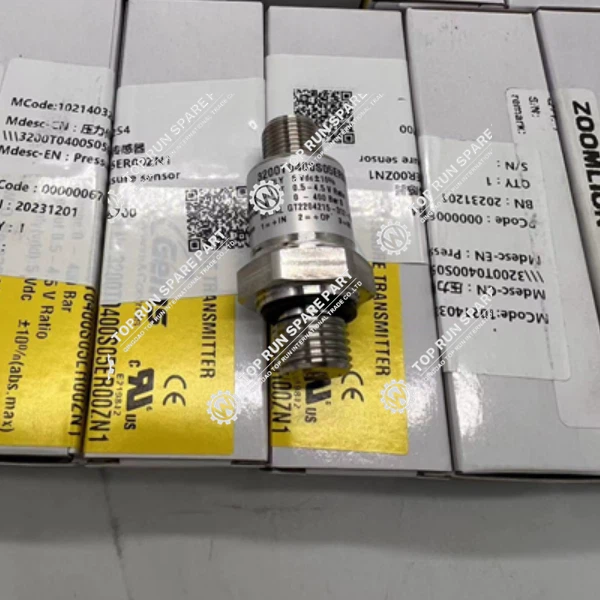
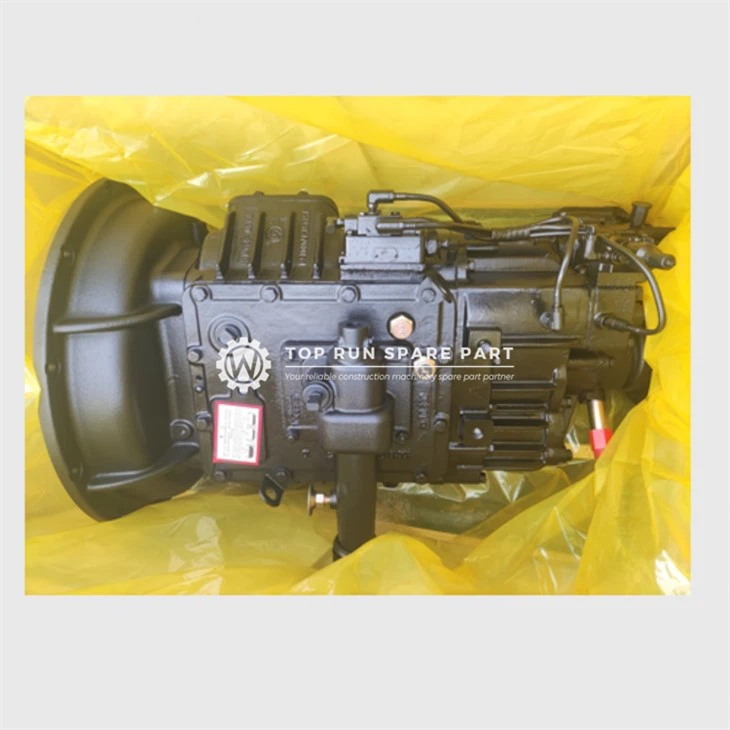
Many crane load displays use third - party components, such as Gear Box ASSY/Transmission 8JS118TB - B 1030300034 G7854, Pressure Sensor 3200t0400s05er00/1021403254, and Truck Crane Gearbox. These components can also pose a security risk if they are not properly secured.
- Vendor Assessment: Before using third - party components, assess the security practices of the vendors. Ensure that they follow industry - standard security protocols in the development and manufacturing of their products.
- Integration Testing: Conduct thorough integration testing when incorporating third - party components into the crane load display. This can help identify and address any security issues before the display is deployed.
Conclusion
Ensuring the security of data on crane load displays is a complex but essential task. By implementing a comprehensive security strategy that includes physical security, network security, software security, employee training, data backup, and third - party component security, we can protect the data on these displays and ensure the safe and efficient operation of cranes.
As a crane load display supplier, we are committed to providing our customers with high - quality, secure products. We understand the importance of data security in the crane industry and are constantly working to improve the security features of our displays. If you are interested in learning more about our crane load displays or have any questions regarding data security, we encourage you to contact us for further discussion and potential procurement opportunities.
References
- "Industrial Cyber Security for Dummies" by Andrew Hay and Joel Thomas
- "Cybersecurity in the Industrial Internet of Things" by Mohsen Guizani and others
- Industry standards and guidelines related to crane safety and data security.
Categories
QR Code


