How to handle a leaking Crane Compressor?
 Language
 Français
 Español
 Árabe
Árabe
 Deutsch
 简体中文
简体中文
 Português
 Русский
 日本語
日本語
 한국어
한국어
 हिंदी
हिंदी
 Prancis
 Türkçe
 Tiếng Việt
 Italiano
 ไทย
ไทย

-
Tel
+86 15275228746
-
WhatsApp/WeChat
8615275228746
Blog
Company intro
10000m 2+ Cover Area QINGDAO TOP RUN INTERNATIONAL TRADE CO., LTD Qingdao Top Run International Trade Co., Ltd. has been a professional and leading supplier of construction machinery spare parts in China for over 15 years. With extensive experience and expertise, we have established strong partnerships with top manufacturers to offer a wide range of genuine and OEM parts for brands such as XCMG, SANY, ZOOMLION, SHANTUI, LIUGONG, and more. 80+ Employees View more Looking for properate products? Contact us
Send Message
How to handle a leaking Crane Compressor?
Dec 17, 2025
View: 226
Hey there! As a supplier of Crane Compressors, I've seen my fair share of issues with these machines. One of the most common problems that crane operators and maintenance folks come across is a leaking compressor. It can be a real headache, but don't worry – I'm here to walk you through how to handle it.
First Things First: Identify the Leak
The first step in dealing with a leaking Crane Compressor is to figure out where the leak is coming from. This might sound obvious, but it's crucial. Sometimes, the leak can be a small drip that's hard to spot, while other times, it can be a major gusher.
Start by doing a visual inspection of the compressor. Look for any signs of oil or coolant around the unit. Check the hoses, fittings, and connections. A lot of the time, leaks occur at these points. If you see any wet spots or puddles, that's a clear indication of a leak.
Another way to identify the leak is by using a pressure test. You can use a pressure gauge to check the pressure inside the compressor. If the pressure is dropping faster than it should, there's likely a leak somewhere. You might also hear a hissing sound, which can help you pinpoint the location of the leak.
Common Causes of Leaks
There are several reasons why a Crane Compressor might start leaking. One of the most common causes is worn-out seals. Over time, the seals in the compressor can break down due to heat, pressure, and normal wear and tear. When this happens, they can no longer keep the fluids inside the compressor, and a leak occurs.
Another common cause is loose fittings. If the hoses or connections aren't tightened properly, it can create a gap where the fluids can escape. This is especially true if the compressor has been moved or vibrated a lot.
Sometimes, the leak can be caused by a crack in the compressor housing. This can happen due to physical damage or excessive pressure. If you suspect a crack, you'll need to inspect the housing carefully. Look for any visible cracks or signs of damage.
Fixing the Leak
Once you've identified the leak and the cause, it's time to fix it. The fix will depend on what's causing the leak.
Worn-Out Seals
If the leak is due to worn-out seals, you'll need to replace them. You can find replacement seals at most industrial supply stores or from the manufacturer. Make sure you get the right seals for your compressor model.
To replace the seals, you'll need to disassemble the compressor. This can be a bit tricky, so it's a good idea to follow the manufacturer's instructions. Once you've removed the old seals, clean the area thoroughly. Then, install the new seals and reassemble the compressor.
Loose Fittings
If the leak is caused by loose fittings, all you need to do is tighten them. Use a wrench to carefully tighten the hoses and connections. Be careful not to over-tighten, as this can damage the fittings.
Cracked Housing
If you find a crack in the compressor housing, it's a bit more complicated. In some cases, you might be able to repair the crack using a special epoxy or sealant. However, if the crack is large or the housing is severely damaged, you might need to replace the housing altogether.
Preventing Future Leaks
Once you've fixed the leak, it's important to take steps to prevent it from happening again. One of the best ways to do this is by performing regular maintenance on the compressor. This includes checking the seals, fittings, and connections regularly. Make sure they're in good condition and tightened properly.
You should also keep the compressor clean. Dirt and debris can build up on the compressor, which can cause damage to the seals and other components. Use a clean cloth to wipe down the compressor regularly.
Another important thing is to use the right fluids in the compressor. Using the wrong type of oil or coolant can cause the seals to break down faster. Make sure you follow the manufacturer's recommendations for the type of fluids to use.
Spare Parts for Your Crane Compressor
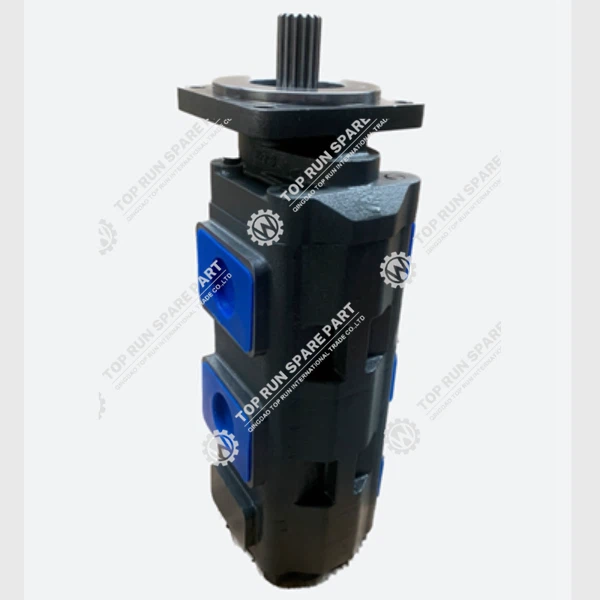
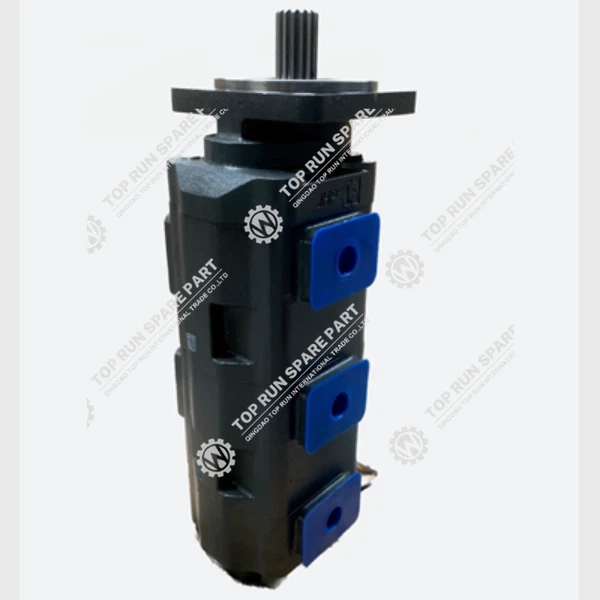
If you need spare parts for your Crane Compressor, we've got you covered. We offer a wide range of high-quality spare parts, including the Multi-way Valve 60024962, Hydraulic Gear Pump 60004298, and Accelerator Pedal. These parts are designed to fit your Crane Compressor perfectly and ensure its optimal performance.
Contact Us for More Information
If you're having trouble with a leaking Crane Compressor or need more information about our spare parts, don't hesitate to reach out. We're here to help you keep your compressor in top shape. Whether you have questions about the repair process or need advice on which spare parts to choose, our team of experts is ready to assist you.
References
- Crane Compressor User Manual
- Industrial Maintenance Handbook
- Compressor Repair Guides
Categories
QR Code


