How to optimize the filling process of a wheel loader bucket?
 Language
 Français
 Español
 Árabe
Árabe
 Deutsch
 简体中文
简体中文
 Português
 Русский
 日本語
日本語
 한국어
한국어
 हिंदी
हिंदी
 Prancis
 Türkçe
 Tiếng Việt
 Italiano
 ไทย
ไทย

-
Tel
+86 15275228746
-
WhatsApp/WeChat
8615275228746
Blog
Company intro
10000m 2+ Cover Area QINGDAO TOP RUN INTERNATIONAL TRADE CO., LTD Qingdao Top Run International Trade Co., Ltd. has been a professional and leading supplier of construction machinery spare parts in China for over 15 years. With extensive experience and expertise, we have established strong partnerships with top manufacturers to offer a wide range of genuine and OEM parts for brands such as XCMG, SANY, ZOOMLION, SHANTUI, LIUGONG, and more. 80+ Employees View more Looking for properate products? Contact us
Send Message
How to optimize the filling process of a wheel loader bucket?
May 26, 2025
View: 255
Hey there! As a supplier of Wheel Loader Bucket, I've seen firsthand how crucial it is to optimize the filling process of these buckets. A well - optimized filling process not only boosts efficiency but also saves time and money. In this blog, I'll share some tips and tricks on how to get the most out of your wheel loader bucket filling.
Understanding the Basics of Wheel Loader Bucket Filling
First things first, let's talk about the basic mechanics of filling a wheel loader bucket. When you're operating a wheel loader, you're essentially trying to scoop up as much material as possible in one go. This means getting the right angle, speed, and depth when approaching the pile of material.
The angle of the bucket is super important. You want to approach the pile at a low angle so that the bucket can slide under the material easily. If the angle is too high, the bucket will just push the material around instead of scooping it up. As a general rule, start with the bucket at a 30 - 45 degree angle to the ground.
Speed also plays a big role. You don't want to go too fast or too slow. If you're going too fast, you might overshoot the pile and lose control. On the other hand, if you're going too slow, you won't generate enough force to scoop up the material. A good speed is usually around 3 - 5 miles per hour when approaching the pile.
Choosing the Right Bucket
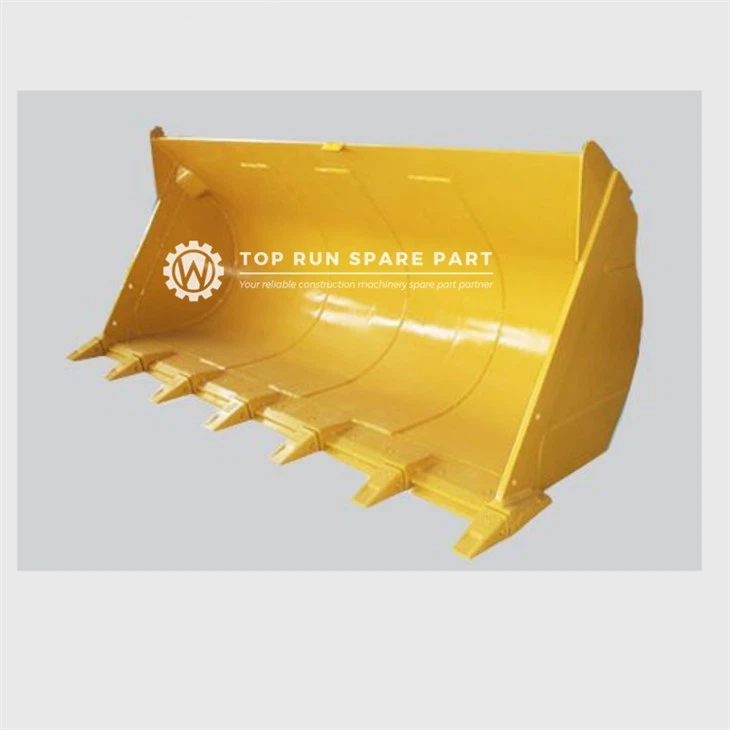
One of the most important factors in optimizing the filling process is choosing the right Wheel Loader Bucket. There are different types of buckets available, each designed for specific materials and applications.
For example, if you're working with loose materials like sand or gravel, a wide - opening bucket is a great choice. It allows the material to flow into the bucket easily. On the other hand, if you're dealing with heavy or sticky materials like clay or wet soil, a bucket with a deeper profile and stronger teeth might be more suitable.
The size of the bucket also matters. You want to choose a bucket that is appropriate for the size of your wheel loader and the amount of material you need to move. A bucket that is too small will require multiple trips, while a bucket that is too large might be difficult to fill and could put too much strain on the loader.
Preparing the Worksite
Before you start filling the wheel loader bucket, it's important to prepare the worksite. Make sure the pile of material is in a good position and has a stable base. If the pile is too steep or unstable, it can be difficult to fill the bucket evenly.
You should also clear any obstacles around the pile. Rocks, debris, or other objects can interfere with the filling process and even damage the bucket. Take a few minutes to walk around the pile and remove any potential hazards.
Technique for Filling the Bucket
Now, let's get into the actual technique of filling the bucket. When you approach the pile, start by lowering the bucket to the ground. As you get closer to the pile, gradually raise the bucket slightly while keeping the front edge of the bucket in contact with the ground. This will help the bucket slide under the material.
Once the bucket is partially under the material, start to tilt the bucket back. This will scoop up the material and hold it in the bucket. Keep pushing forward until the bucket is full. It's important to use a smooth and continuous motion during this process. Jerky movements can cause the material to spill out of the bucket.
If you're filling the bucket from a large pile, you might need to make multiple passes. Start by making a pass at the bottom of the pile to loosen up the material. Then, make subsequent passes higher up on the pile to fill the bucket completely.
Maintenance of the Wheel Loader and Bucket
Proper maintenance of your wheel loader and Wheel Loader Bucket is essential for optimizing the filling process. Regularly check the bucket for any signs of wear and tear. Replace any damaged teeth or cutting edges as soon as possible.
The wheel loader itself also needs regular maintenance. Make sure the engine is running smoothly, the hydraulic system is in good condition, and the tires are properly inflated. A well - maintained wheel loader will perform better and make the filling process more efficient.
For example, a Wheel Loader Diesel Engine that is properly maintained will have more power, allowing the loader to scoop up more material in one go. Similarly, a well - functioning hydraulic system will ensure that the bucket can be raised and tilted smoothly.
Using Technology to Optimize Filling
In today's world, technology can play a big role in optimizing the wheel loader bucket filling process. There are now sensors and monitoring systems available that can help you determine the optimal angle, speed, and depth for filling the bucket.
Some wheel loaders are equipped with load - sensing technology. This technology can measure the weight of the material in the bucket and provide feedback to the operator. With this information, the operator can adjust the filling process to ensure that the bucket is filled to its maximum capacity without overloading the loader.
Training the Operators
Another important aspect of optimizing the filling process is training the operators. Even the best equipment won't perform well if the operator doesn't know how to use it properly. Provide comprehensive training to your operators on the correct techniques for filling the wheel loader bucket.
Training should include topics such as bucket angle, speed, depth, and maintenance. Operators should also be trained on how to use any technology or monitoring systems that are installed on the wheel loader. A well - trained operator will be able to fill the bucket more efficiently and reduce the risk of accidents.
Conclusion
Optimizing the filling process of a wheel loader bucket is a combination of choosing the right equipment, preparing the worksite, using the correct technique, maintaining the equipment, and training the operators. By following these tips, you can significantly improve the efficiency of your wheel loader operations.
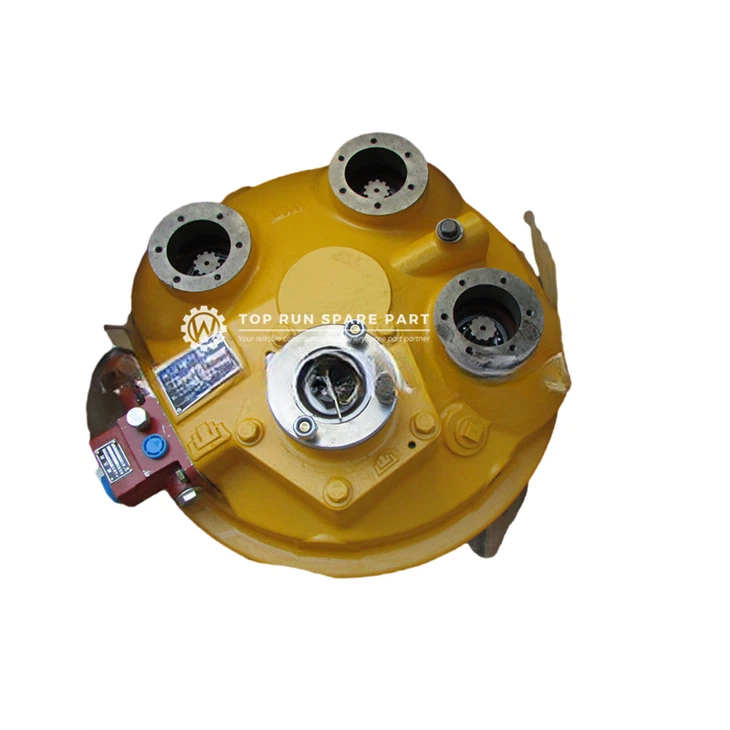
If you're in the market for a new Wheel Loader Bucket or other wheel loader spare parts like Transmission Accessories Torque Converter and Wheel Loader Diesel Engine, don't hesitate to reach out. We're here to help you find the best solutions for your needs. Whether you're looking to improve efficiency, reduce costs, or enhance performance, we've got the products and expertise to support you. Let's start a conversation and see how we can work together to optimize your wheel loader operations.
References
Smith, J. (2020). "Best Practices for Wheel Loader Operations". Construction Equipment Magazine.
Johnson, A. (2021). "Optimizing Bucket Filling in Heavy Equipment". Industrial Machinery Journal.
Brown, T. (2022). "The Role of Technology in Wheel Loader Efficiency". Equipment Innovation Review.
Categories
QR Code


