How to reduce the vibration of a triple gear pump?
 Language
 Français
 Español
 Árabe
Árabe
 Deutsch
 简体中文
简体中文
 Português
 Русский
 日本語
日本語
 한국어
한국어
 हिंदी
हिंदी
 Prancis
 Türkçe
 Tiếng Việt
 Italiano
 ไทย
ไทย

-
Tel
+86 15275228746
-
WhatsApp/WeChat
8615275228746
Blog
Company intro
10000m 2+ Cover Area QINGDAO TOP RUN INTERNATIONAL TRADE CO., LTD Qingdao Top Run International Trade Co., Ltd. has been a professional and leading supplier of construction machinery spare parts in China for over 15 years. With extensive experience and expertise, we have established strong partnerships with top manufacturers to offer a wide range of genuine and OEM parts for brands such as XCMG, SANY, ZOOMLION, SHANTUI, LIUGONG, and more. 80+ Employees View more Looking for properate products? Contact us
Send Message
How to reduce the vibration of a triple gear pump?
Jul 14, 2025
View: 182
As a supplier of triple gear pumps, I've witnessed firsthand the challenges that come with excessive vibration in these crucial pieces of equipment. Vibration in a triple gear pump can lead to a multitude of issues, including reduced efficiency, premature wear and tear, and even potential safety hazards. In this blog post, I'll share some effective strategies to reduce the vibration of a triple gear pump, drawing on my years of experience in the industry.
Understanding the Causes of Vibration in Triple Gear Pumps
Before we delve into the solutions, it's essential to understand the root causes of vibration in triple gear pumps. Several factors can contribute to this problem:
- Imbalanced Gears: If the gears in the pump are not properly balanced, they can cause uneven forces to act on the pump components, resulting in vibration. This imbalance can be due to manufacturing defects, wear and tear, or improper installation.
- Misalignment: Misalignment between the pump and the motor or other connected equipment can also lead to vibration. This can occur during installation or due to thermal expansion and contraction over time.
- Cavitation: Cavitation happens when the pressure in the pump drops below the vapor pressure of the fluid, causing the formation of vapor bubbles. When these bubbles collapse, they create shock waves that can cause vibration and damage to the pump components.
- Fluid Pulsation: The flow of fluid through the pump can create pulsations, which can lead to vibration. This is especially common in pumps with a high flow rate or a large number of gears.
- Mechanical Wear: Over time, the components of the pump can wear out, leading to increased clearance between the gears and other parts. This can cause the gears to move more freely, resulting in vibration.
Strategies to Reduce Vibration in Triple Gear Pumps
Now that we understand the causes of vibration, let's explore some strategies to reduce it:
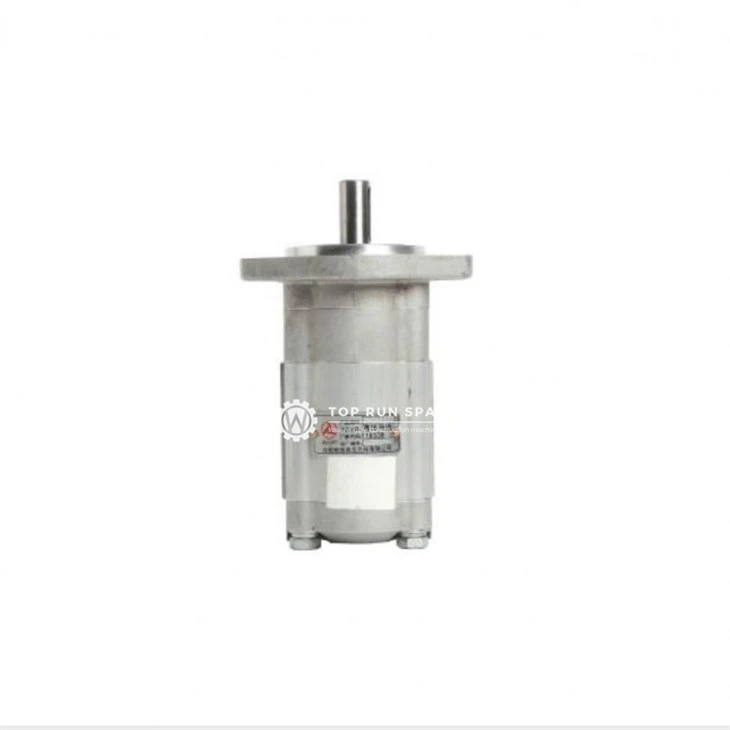
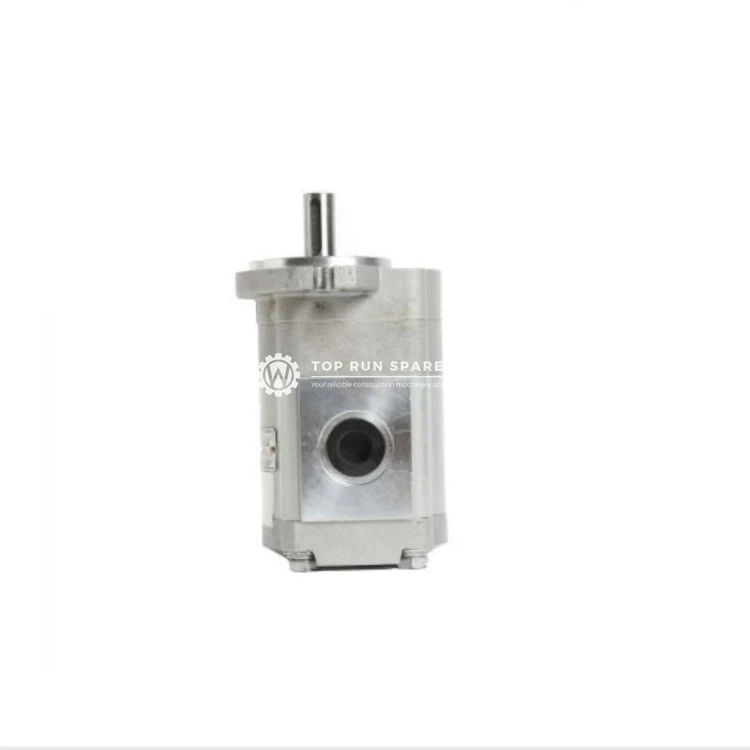
1. Proper Installation and Alignment
- Precision Installation: Ensure that the pump is installed correctly according to the manufacturer's specifications. This includes proper alignment with the motor and other connected equipment. Use alignment tools to ensure that the pump and motor are perfectly aligned, both horizontally and vertically.
- Mounting: Use vibration isolation mounts to reduce the transmission of vibration from the pump to the surrounding structure. These mounts are designed to absorb and dampen the vibrations, preventing them from causing damage to the equipment or the building.
2. Gear Balancing
- Dynamic Balancing: Have the gears in the pump dynamically balanced to ensure that they rotate smoothly and evenly. This involves adding or removing weight from the gears to correct any imbalance. Dynamic balancing can significantly reduce vibration and improve the performance of the pump.
- Regular Inspection: Regularly inspect the gears for signs of wear and damage. Replace any worn or damaged gears promptly to prevent further vibration and damage to the pump.
3. Cavitation Prevention
- Proper Fluid Selection: Choose a fluid with the appropriate viscosity and chemical properties for the pump. Using a fluid that is too thin or too thick can increase the risk of cavitation.
- Suction Line Design: Ensure that the suction line is properly sized and free of restrictions. A clogged or undersized suction line can cause a drop in pressure, leading to cavitation.
- NPSH (Net Positive Suction Head): Calculate the NPSH required by the pump and ensure that it is available at the suction port. This will help prevent cavitation from occurring.
4. Pulsation Dampening
- Pulsation Dampeners: Install pulsation dampeners in the pump system to reduce fluid pulsations. These devices work by absorbing and smoothing out the pressure fluctuations, reducing vibration and noise.
- Flow Control: Use flow control valves to regulate the flow rate of the fluid through the pump. This can help reduce pulsations and improve the stability of the pump operation.
5. Maintenance and Lubrication
- Regular Maintenance: Implement a regular maintenance schedule for the pump, including inspections, cleaning, and lubrication. This will help prevent mechanical wear and ensure that the pump operates smoothly.
- Proper Lubrication: Use the correct lubricant for the pump and ensure that it is changed regularly. Lubrication helps reduce friction between the gears and other components, preventing wear and reducing vibration.
Additional Considerations
In addition to the strategies mentioned above, there are a few other things to keep in mind when trying to reduce the vibration of a triple gear pump:
- System Design: Consider the overall design of the pump system, including the piping layout, valve selection, and the presence of other equipment. A well-designed system can help reduce vibration and improve the performance of the pump.
- Monitoring and Diagnosis: Use vibration monitoring equipment to regularly monitor the vibration levels of the pump. This will help you detect any changes in vibration patterns and identify potential problems before they become serious.
- Training and Education: Ensure that your staff is properly trained in the installation, operation, and maintenance of triple gear pumps. This will help them understand the importance of reducing vibration and how to take the necessary steps to achieve it.
Related Products
If you're looking for high-quality spare parts for your triple gear pump or other equipment, I recommend checking out the following products:
- 60185393 Gear Motor: This gear motor is designed to provide reliable and efficient power for your equipment.
- Balance Valve 60066198: The balance valve helps regulate the flow of fluid in your system, reducing pressure fluctuations and vibration.
- Accelerator Pedal: This accelerator pedal is a crucial component for controlling the speed of your equipment.
Conclusion
Reducing the vibration of a triple gear pump is essential for ensuring its efficient and reliable operation. By understanding the causes of vibration and implementing the strategies outlined in this blog post, you can significantly reduce vibration levels and extend the lifespan of your pump. Remember to also consider the overall design of the pump system, monitor the vibration levels regularly, and provide proper training to your staff. If you have any questions or need further assistance, please don't hesitate to contact us. We're here to help you find the best solutions for your triple gear pump needs.
References
- "Pump Handbook" by Igor Karassik et al.
- "Centrifugal Pumps: Design and Application" by Stepanoff A. J.
- Manufacturer's manuals and technical documentation for triple gear pumps.
Categories
QR Code


