How to test a new Crane Controller?
 Language
 Français
 Español
 Árabe
Árabe
 Deutsch
 简体中文
简体中文
 Português
 Русский
 日本語
日本語
 한국어
한국어
 हिंदी
हिंदी
 Prancis
 Türkçe
 Tiếng Việt
 Italiano
 ไทย
ไทย

-
Tel
+86 15275228746
-
WhatsApp/WeChat
8615275228746
Blog
Company intro
10000m 2+ Cover Area QINGDAO TOP RUN INTERNATIONAL TRADE CO., LTD Qingdao Top Run International Trade Co., Ltd. has been a professional and leading supplier of construction machinery spare parts in China for over 15 years. With extensive experience and expertise, we have established strong partnerships with top manufacturers to offer a wide range of genuine and OEM parts for brands such as XCMG, SANY, ZOOMLION, SHANTUI, LIUGONG, and more. 80+ Employees View more Looking for properate products? Contact us
Send Message
How to test a new Crane Controller?
Sep 22, 2025
View: 192
As a seasoned supplier of crane controllers, I understand the critical importance of thorough testing before a new crane controller hits the market. A well - tested crane controller not only ensures the safety of crane operations but also enhances the efficiency and reliability of the entire system. In this blog, I will share a comprehensive guide on how to test a new crane controller.
1. Initial Inspection
Before diving into functional testing, a detailed initial inspection of the crane controller is essential. This step helps identify any visible defects or manufacturing issues that could potentially affect the controller's performance.
- Physical Examination: Carefully examine the controller's exterior for any signs of damage, such as cracks, scratches, or loose components. Check the enclosure for proper sealing to prevent dust, moisture, and other contaminants from entering the controller.
- Component Check: Inspect all internal components, including circuit boards, connectors, and wiring. Ensure that all components are securely mounted and that there are no loose connections or signs of overheating. Look for any signs of corrosion or damage to the components, as these can lead to malfunction.
2. Electrical Testing
Electrical testing is a crucial part of the testing process, as it verifies the proper functioning of the controller's electrical circuits and components.
- Power Supply Testing: Connect the crane controller to a stable power source and measure the input voltage. Ensure that the input voltage is within the specified range of the controller. Fluctuations in the input voltage can cause the controller to malfunction or even damage its components.
- Circuit Continuity Testing: Use a multimeter to test the continuity of the electrical circuits within the controller. Check for any open circuits or short circuits, which can disrupt the flow of electricity and cause the controller to fail. Pay special attention to the critical circuits, such as those responsible for controlling the crane's movements.
- Insulation Resistance Testing: Measure the insulation resistance of the electrical components and wiring within the controller. Low insulation resistance can indicate a potential electrical hazard, such as a short circuit or a ground fault. This test helps ensure the safety of the controller and the operators.
3. Software and Firmware Testing
Modern crane controllers often rely on sophisticated software and firmware to control the crane's operations. Therefore, thorough software and firmware testing is necessary to ensure the controller's functionality and reliability.
- Functionality Testing: Test all the functions of the crane controller, including the control of the crane's movements (such as lifting, lowering, and slewing), the monitoring of various parameters (such as load weight and position), and the implementation of safety features (such as overload protection). Ensure that each function works as expected and that there are no errors or glitches in the software.
- Compatibility Testing: Check the compatibility of the crane controller's software and firmware with other components of the crane system, such as sensors, actuators, and communication interfaces. Incompatible software can lead to communication errors and system failures. Ensure that the controller can communicate effectively with all the connected devices.
- Firmware Update Testing: If the crane controller supports firmware updates, test the update process to ensure that it can be performed smoothly and without any issues. A failed firmware update can render the controller inoperable, so it is crucial to verify the reliability of the update mechanism.
4. Performance Testing
Performance testing evaluates the crane controller's ability to meet the specified performance requirements under various operating conditions.
- Load Testing: Subject the crane controller to different load conditions and measure its response time, accuracy, and stability. The controller should be able to handle the maximum rated load of the crane without any significant degradation in performance. For example, when the crane is lifting a heavy load, the controller should ensure smooth and precise movement.
- Speed Testing: Test the crane controller's ability to control the crane's speed accurately. Measure the actual speed of the crane's movements and compare it with the set speed. The controller should be able to maintain a consistent speed within the specified tolerance range.
- Endurance Testing: Run the crane controller continuously for an extended period to evaluate its long - term reliability. This test helps identify any potential issues that may arise due to prolonged use, such as component wear or overheating. Monitor the controller's performance during the endurance test and record any abnormal behavior.
5. Safety Testing
Safety is of utmost importance in crane operations, and the crane controller plays a vital role in ensuring the safety of the operators and the equipment. Therefore, comprehensive safety testing is required.
- Overload Protection Testing: Test the controller's overload protection feature by gradually increasing the load on the crane until it reaches the overload limit. The controller should automatically stop the crane's lifting operation and activate the appropriate safety alarms when the overload limit is exceeded.
- Emergency Stop Testing: Test the emergency stop function of the crane controller to ensure that it can immediately stop all the crane's movements when the emergency stop button is pressed. This function is critical in case of an emergency situation, such as a sudden malfunction or a safety hazard.
- Fault Diagnosis and Reporting Testing: Check the controller's ability to detect and diagnose faults in the system. The controller should be able to display clear error messages and provide diagnostic information to help the maintenance personnel identify and fix the problems quickly.
6. Compatibility with Spare Parts
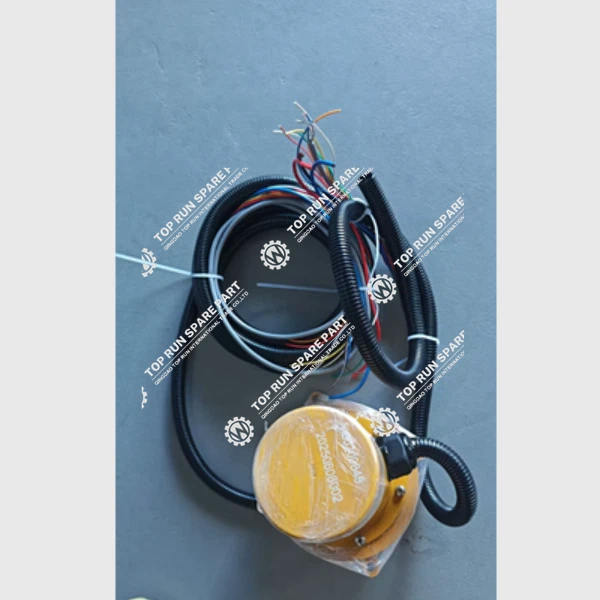
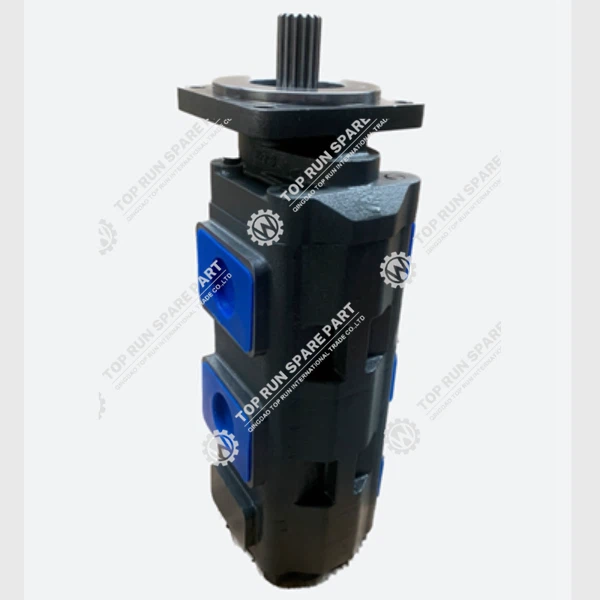
When testing a new crane controller, it is also important to consider its compatibility with the spare parts that may be required in the future. For example, the crane controller should be compatible with Triple Gear Pump, Hydraulic Gear Pump 60004298, and Slip Ring 60209845. Test the controller's ability to work seamlessly with these spare parts to ensure that in case of a component failure, the replacement can be carried out without any compatibility issues.
Conclusion
Testing a new crane controller is a complex and comprehensive process that requires attention to detail and a systematic approach. By following the steps outlined in this blog, you can ensure that the crane controller meets the highest standards of quality, reliability, and safety. If you are in the market for a high - quality crane controller or have any questions about the testing process, feel free to reach out to us for more information and to discuss your procurement needs. We are committed to providing the best crane control solutions to our customers.
References
- Crane Control System Design and Testing Standards, Industry Handbook
- Electrical Safety Guidelines for Crane Equipment, National Electrical Code
Categories
QR Code


