What are the communication interfaces of a Crane Moment Limiter?
 Language
 Français
 Español
 Árabe
Árabe
 Deutsch
 简体中文
简体中文
 Português
 Русский
 日本語
日本語
 한국어
한국어
 हिंदी
हिंदी
 Prancis
 Türkçe
 Tiếng Việt
 Italiano
 ไทย
ไทย

-
Tel
+86 15275228746
-
WhatsApp/WeChat
8615275228746
Blog
Company intro
10000m 2+ Cover Area QINGDAO TOP RUN INTERNATIONAL TRADE CO., LTD Qingdao Top Run International Trade Co., Ltd. has been a professional and leading supplier of construction machinery spare parts in China for over 15 years. With extensive experience and expertise, we have established strong partnerships with top manufacturers to offer a wide range of genuine and OEM parts for brands such as XCMG, SANY, ZOOMLION, SHANTUI, LIUGONG, and more. 80+ Employees View more Looking for properate products? Contact us
Send Message
What are the communication interfaces of a Crane Moment Limiter?
Nov 10, 2025
View: 195
Hey there! As a supplier of Crane Moment Limiters, I'm super stoked to chat with you about the communication interfaces of these nifty devices. You see, a Crane Moment Limiter is like the brain of a crane, making sure it operates safely and efficiently. And its communication interfaces are the channels through which it shares vital information.
First off, let's talk about the CAN (Controller Area Network) interface. It's one of the most popular interfaces in the crane industry. CAN is a serial communication protocol that allows different electronic devices on the crane to talk to each other. With the CAN interface, the Crane Moment Limiter can send and receive data such as load weight, boom angle, and radius. This data is crucial for calculating the crane's moment and ensuring it stays within safe operating limits. For example, if the load weight gets too close to the maximum capacity, the limiter can send a warning signal to the operator through the CAN network.
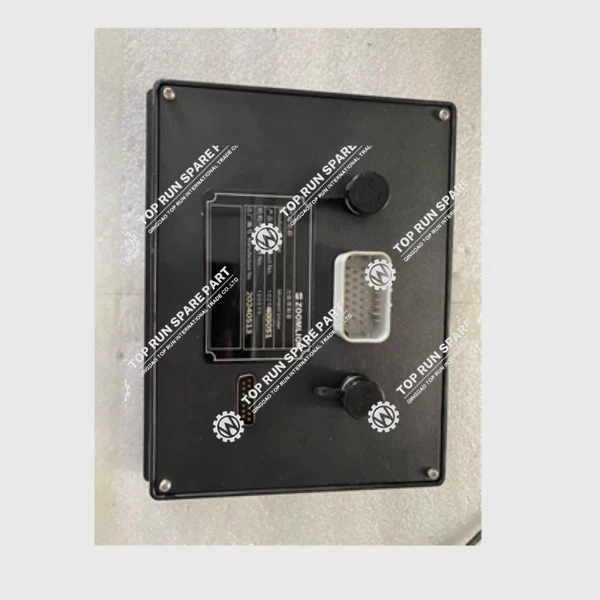
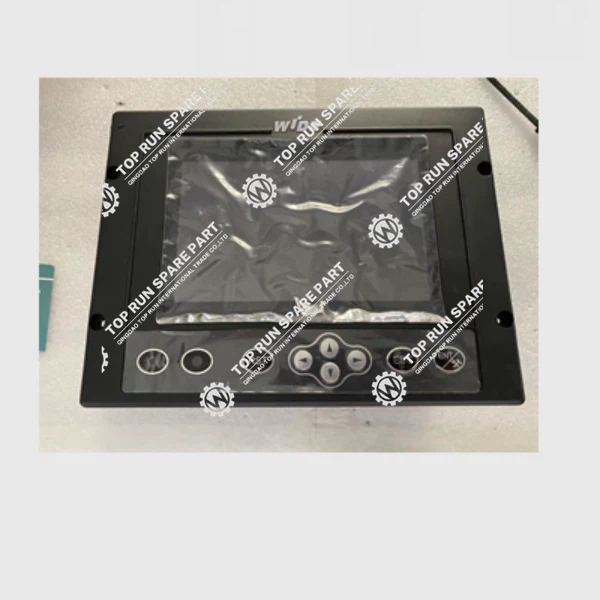
Another important interface is the RS - 232 interface. It's an older but still widely used serial communication standard. The RS - 232 interface is often used to connect the Crane Moment Limiter to a computer or a display unit. This allows technicians to configure the limiter, update its software, and retrieve historical data. You can think of it as a way to have a direct conversation between the limiter and a control device. For instance, when you need to adjust the calibration settings of the limiter, you can use an RS - 232 cable to connect it to your laptop and make the necessary changes.
Now, let's not forget about the analog interface. Many cranes still rely on analog signals for basic communication. The Crane Moment Limiter can use analog interfaces to connect to sensors like load cells and angle sensors. These sensors convert physical quantities such as load and angle into electrical signals (usually voltage or current). The limiter then reads these analog signals, processes them, and uses the information to calculate the crane's moment. It's a simple and reliable way to get real - time data from the crane's components.
Ethernet is also becoming more and more common in modern Crane Moment Limiters. With an Ethernet interface, the limiter can be connected to a local area network (LAN) or even the internet. This enables remote monitoring and control of the crane. You can access the limiter's data from anywhere in the world as long as you have an internet connection. For example, a crane fleet manager can monitor the status of multiple cranes in different locations at the same time. It's a game - changer for improving efficiency and reducing downtime.
In addition to these standard interfaces, some Crane Moment Limiters also support wireless communication interfaces such as Wi - Fi and Bluetooth. Wi - Fi allows for high - speed data transfer over a short distance, which is great for on - site communication between the limiter and other devices. Bluetooth, on the other hand, is useful for short - range, low - power communication. You can use a Bluetooth - enabled smartphone or tablet to connect to the limiter and perform basic operations like checking the current load status.
When it comes to choosing the right communication interface for a Crane Moment Limiter, there are a few factors to consider. First, the type of crane and its existing electrical system play a big role. If the crane already has a CAN - based network, it makes sense to use a limiter with a CAN interface for seamless integration. Second, the required data transfer speed and reliability are important. For applications where real - time data is critical, interfaces like Ethernet or CAN are better choices. Third, the need for remote access and monitoring should also be taken into account. If you want to be able to monitor the crane from afar, an Ethernet or Wi - Fi interface is essential.
As a supplier, I've seen firsthand how the right communication interface can make a huge difference in the performance of a Crane Moment Limiter. That's why we offer limiters with a variety of interfaces to meet the diverse needs of our customers. Whether you're looking for a basic limiter with an analog interface or a high - tech one with Ethernet and Wi - Fi capabilities, we've got you covered.
Now, if you're in the market for crane spare parts, we also have some great options. Check out our Steering Pump 1032300004, which is a high - quality part that ensures smooth steering operation of your crane. Our WIDE LMI Load Moment Limiter ASSY 1021500 is another top - notch product that provides accurate load moment monitoring. And don't forget about our Crane Steel Wire Rope, which is strong and durable, perfect for heavy - duty lifting.
If you're interested in our Crane Moment Limiters or any of our other products, we'd love to have a chat with you. Whether you have questions about the communication interfaces, need help choosing the right product, or want to discuss pricing and delivery, just reach out. We're here to make sure you find the best solutions for your crane needs.
References
- Crane Safety Handbook: Covers general information about crane operation and the role of moment limiters.
- Serial Communication Standards: Technical documents explaining the principles of CAN, RS - 232, Ethernet, etc.
- Wireless Communication in Industrial Applications: Resources on Wi - Fi and Bluetooth use in crane systems.
Categories
QR Code


