What are the communication protocols used by a crane load display?
 Language
 Français
 Español
 Árabe
Árabe
 Deutsch
 简体中文
简体中文
 Português
 Русский
 日本語
日本語
 한국어
한국어
 हिंदी
हिंदी
 Prancis
 Türkçe
 Tiếng Việt
 Italiano
 ไทย
ไทย

-
Tel
+86 15275228746
-
WhatsApp/WeChat
8615275228746
Blog
Company intro
10000m 2+ Cover Area QINGDAO TOP RUN INTERNATIONAL TRADE CO., LTD Qingdao Top Run International Trade Co., Ltd. has been a professional and leading supplier of construction machinery spare parts in China for over 15 years. With extensive experience and expertise, we have established strong partnerships with top manufacturers to offer a wide range of genuine and OEM parts for brands such as XCMG, SANY, ZOOMLION, SHANTUI, LIUGONG, and more. 80+ Employees View more Looking for properate products? Contact us
Send Message
What are the communication protocols used by a crane load display?
Jul 17, 2025
View: 205
Hey there! I'm a supplier of Crane Load Displays, and today I wanna chat about the communication protocols used by these nifty devices.
First off, let's understand why communication protocols matter for a Crane Load Display. A crane load display is a crucial part of a crane system. It provides real - time information about the load being lifted, ensuring safety and efficient operation. To do this, it needs to communicate with other components of the crane, like sensors, controllers, and sometimes even external monitoring systems.
One of the most commonly used communication protocols is the Modbus protocol. Modbus is a serial communication protocol that's been around for ages. It's super simple and widely supported. There are two main types of Modbus: Modbus RTU and Modbus TCP.
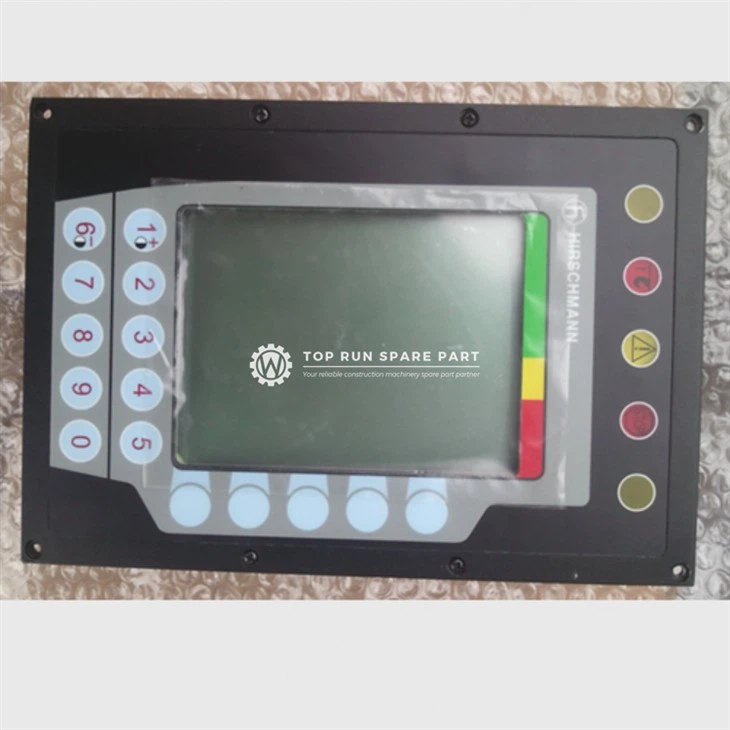
Modbus RTU uses a master - slave architecture. In a crane system, the Crane Load Display can act as a slave device. Sensors on the crane, which measure things like load weight, angle, and boom length, send data to the display. The master device, usually a crane controller, can then query the display for this data. Modbus RTU uses a binary encoding, which makes it fast and efficient for short - distance communication. It's often used when the components are physically close to each other within the crane.
On the other hand, Modbus TCP is designed for network - based communication. It uses the TCP/IP protocol stack, which means it can be used over local area networks (LANs) or even the internet. This is great if you want to monitor the crane's load data remotely. For example, a supervisor in an office far from the construction site can access the Crane Load Display data through a network connection. You can learn more about crane - related parts like Crane Pump Parts which also rely on proper communication for seamless operation.
Another important protocol is the CAN (Controller Area Network) protocol. CAN is a serial communication protocol that's known for its high - speed and reliable communication. It's commonly used in automotive and industrial applications, and cranes are no exception.
In a crane system, the CAN protocol allows multiple devices to communicate on the same network without the need for a master device. The Crane Load Display can be connected to a CAN bus along with other sensors and actuators. Each device on the bus has a unique identifier, and messages are sent and received based on these identifiers. This decentralized nature makes the system more robust. If one device fails, it doesn't bring down the whole network.
CAN is also great for real - time applications. Since it has a priority - based message transmission system, critical data, like the current load weight, can be sent with a high priority. This ensures that the Crane Load Display always has the most up - to - date information, which is essential for safe crane operation. And if you're looking to upgrade or replace parts of your crane, check out Crane Load Display options available.
Profibus is yet another protocol that can be used with Crane Load Displays. Profibus is a fieldbus protocol that's widely used in industrial automation. It comes in two main variants: Profibus DP (Decentralized Peripherals) and Profibus PA (Process Automation).
Profibus DP is designed for high - speed communication between a master device and multiple slave devices. In a crane system, the crane controller can be the master, and the Crane Load Display can be a slave. It's fast and can handle large amounts of data, making it suitable for complex crane systems where there are many sensors and actuators.
Profibus PA, on the other hand, is used for process automation applications. It's often used in environments where there are hazardous conditions, like in chemical plants or oil refineries. The protocol has built - in safety features, which can be very important when dealing with heavy loads and potentially dangerous situations.
Now, let's talk about Ethernet/IP. Ethernet/IP is an industrial Ethernet protocol that combines the power of Ethernet with the Common Industrial Protocol (CIP). It's becoming increasingly popular in industrial applications, including crane systems.
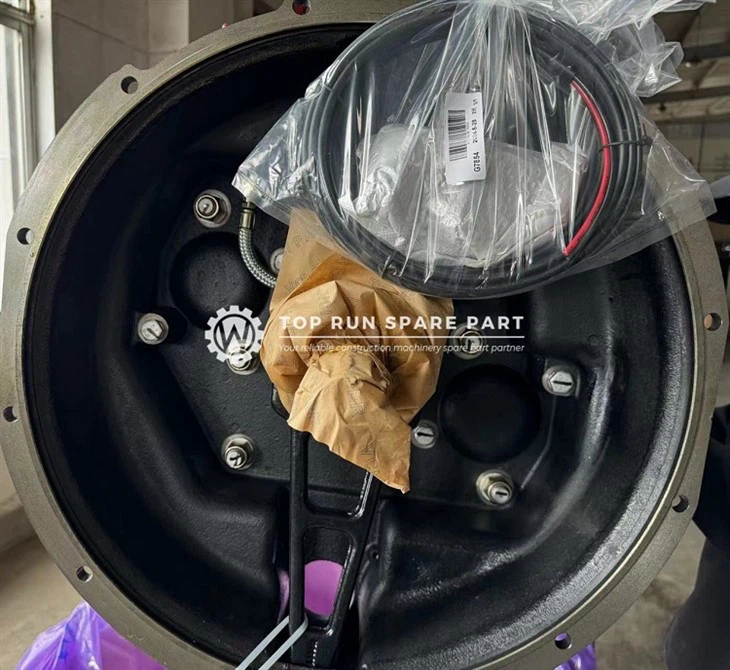
With Ethernet/IP, the Crane Load Display can communicate with other devices on the network using standard Ethernet cables. It supports both real - time and non - real - time data transfer. This means that not only can it send and receive critical load data in real - time, but it can also exchange configuration and diagnostic information. It's also easy to integrate with existing IT infrastructure, which is a big plus for companies that want to use modern monitoring and management tools. And don't forget about other important crane parts like Gearbox Assy Or Transmission that also need proper communication for optimal performance.
So, why does choosing the right communication protocol matter? Well, it can have a huge impact on the performance and reliability of your crane system. The wrong protocol can lead to slow data transfer, communication errors, and even system failures. For example, if you use a protocol that's not suitable for long - distance communication in a large construction site, you might experience data loss or delays.
When selecting a communication protocol for your Crane Load Display, you need to consider several factors. First, think about the distance between the display and other components. If they're close, a simple protocol like Modbus RTU might be sufficient. But if you need to communicate over a network, you'll want to look at protocols like Modbus TCP or Ethernet/IP.
The amount of data that needs to be transferred is also important. If you have a lot of sensors providing data to the display, you'll need a protocol that can handle high - volume data transfer, like Profibus DP or Ethernet/IP.
Another factor is the level of real - time performance required. For safety - critical applications, like crane operation, you need a protocol that can provide real - time data with minimal delay. CAN and Ethernet/IP are good choices in this regard.
As a supplier of Crane Load Displays, I've seen firsthand how the right communication protocol can make a big difference in a crane system. I'm here to help you choose the best protocol for your specific needs. Whether you're building a new crane or upgrading an existing one, I can provide you with the right Crane Load Display and offer advice on the communication protocols.
If you're interested in purchasing a Crane Load Display or have any questions about communication protocols, feel free to reach out. I'm always ready to have a chat and help you make the right decision for your crane system. Let's work together to ensure your crane operates safely and efficiently.
References
- "Industrial Communication Technology Handbook" by Andreas Willig
- "Modbus Protocol Specification" by Schneider Electric
- "CAN in Automation (CiA) Specification" by CAN in Automation e.V.
- "Profibus and PROFINET - The World - Leading Open Fieldbus and Industrial Ethernet" by Peter Lutz
- "Ethernet/IP: A Technical Overview" by ODVA (Open DeviceNet Vendor Association)
Categories
QR Code


