What are the installation requirements for a Crane Compressor?
 Language
 Français
 Español
 Árabe
Árabe
 Deutsch
 简体中文
简体中文
 Português
 Русский
 日本語
日本語
 한국어
한국어
 हिंदी
हिंदी
 Prancis
 Türkçe
 Tiếng Việt
 Italiano
 ไทย
ไทย

-
Tel
+86 15275228746
-
WhatsApp/WeChat
8615275228746
Blog
Company intro
10000m 2+ Cover Area QINGDAO TOP RUN INTERNATIONAL TRADE CO., LTD Qingdao Top Run International Trade Co., Ltd. has been a professional and leading supplier of construction machinery spare parts in China for over 15 years. With extensive experience and expertise, we have established strong partnerships with top manufacturers to offer a wide range of genuine and OEM parts for brands such as XCMG, SANY, ZOOMLION, SHANTUI, LIUGONG, and more. 80+ Employees View more Looking for properate products? Contact us
Send Message
What are the installation requirements for a Crane Compressor?
Sep 17, 2025
View: 182
Hey there! As a supplier of Crane Compressors, I've been getting a lot of questions lately about the installation requirements for these bad boys. So, I thought I'd put together this blog post to give you all the deets.
First off, let's talk about the location. You gotta pick the right spot for your Crane Compressor. It needs to be on a flat, stable surface. No wobbly floors or uneven ground. Why? Well, if the compressor isn't stable, it can vibrate like crazy. And that vibration can not only damage the compressor itself but also cause a whole bunch of noise. Nobody wants a noisy compressor running in the background, right?
The area around the compressor also needs to have good ventilation. Compressors generate heat when they're running, and if there's no proper ventilation, that heat can build up. High temperatures can reduce the efficiency of the compressor and even lead to premature wear and tear. So, make sure there's plenty of space around it for air to circulate.
Now, let's get into the electrical requirements. Crane Compressors are pretty power - hungry machines. You need to have an electrical supply that matches the compressor's specifications. Check the voltage and amperage ratings on the compressor's nameplate. It's super important to use the right electrical cables as well. They should be thick enough to handle the current without overheating. A thin or undersized cable can cause voltage drops, which can make the compressor work harder and potentially break down.
If you're using an extension cord, be really careful. Most of the time, it's better to avoid using them altogether. But if you have to, make sure it's a heavy - duty one that can handle the load. And always plug the compressor directly into a grounded outlet. Grounding is crucial for safety, as it helps prevent electrical shocks in case of a short circuit.
When it comes to the piping, it's essential to use the right type of pipes. You'll typically want to use steel or copper pipes for your Crane Compressor. These materials are durable and can withstand the pressure of the compressed air. The pipes should be properly sized too. If they're too small, it can restrict the flow of air, reducing the compressor's efficiency. And if they're too large, it can lead to unnecessary pressure drops.
Make sure to install the pipes with the right slope. This helps to drain any condensate that forms in the pipes. Condensate can cause corrosion in the pipes and can also damage the compressor if it gets back into the system. You might also want to install some filters and dryers in the piping system. Filters can remove dust and debris from the compressed air, while dryers can reduce the moisture content.
Another important aspect is the mounting. You need to mount the compressor securely. There are usually mounting holes on the compressor's base. Use the right bolts and nuts to attach it to the surface. Tighten them properly, but don't over - tighten. Over - tightening can crack the compressor's base or damage the mounting points.
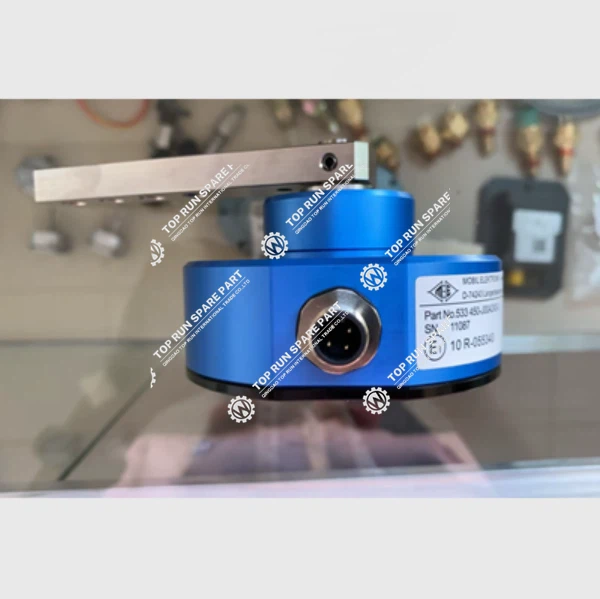
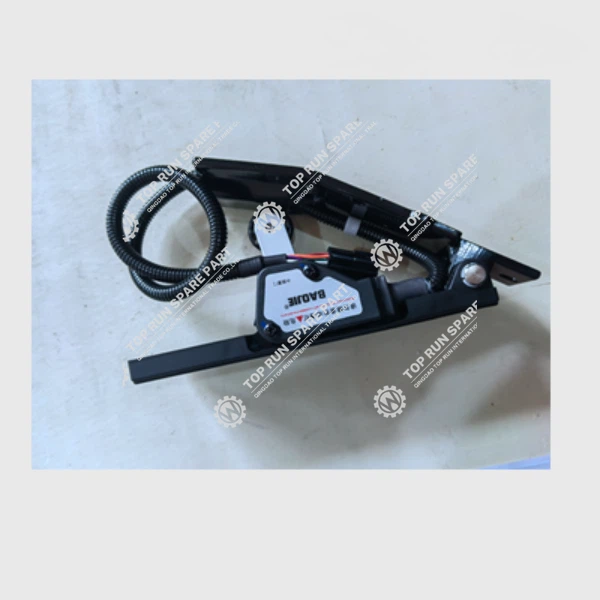
Now, let's talk about some of the accessories that can enhance the performance and safety of your Crane Compressor. For example, an ANGLE SENSOR Mobil Elektronik can be really useful. It can monitor the angle of the compressor or related components, which is important for proper operation. A Crane Controller can help you manage and control the compressor's functions more effectively. And an Accelerator Pedal can be used to adjust the speed or power of the compressor in some applications.
Before you start the installation, it's a good idea to read the user manual thoroughly. The manufacturer provides detailed instructions and safety guidelines in there. And if you're not confident about doing the installation yourself, it's always a good idea to hire a professional. They have the experience and knowledge to do it right and can ensure that everything is set up safely and correctly.
Once the installation is done, you need to do a thorough inspection. Check all the connections, both electrical and piping. Make sure there are no loose connections or leaks. Turn on the compressor and listen for any strange noises. If you hear anything out of the ordinary, shut it down immediately and check for problems.
After the initial startup, let the compressor run for a while to see how it performs. Monitor the pressure, temperature, and other important parameters. If everything looks good, then you're all set to start using your Crane Compressor.
In conclusion, installing a Crane Compressor requires careful attention to detail. From the location and electrical supply to the piping and accessories, every aspect matters. By following these installation requirements, you can ensure that your compressor runs smoothly and efficiently for a long time.
If you're in the market for a Crane Compressor or need any spare parts, don't hesitate to reach out. We're here to help you with all your compressor needs. Whether you have questions about installation, maintenance, or just want to discuss your requirements, we're just a message away. Let's have a chat and see how we can work together to get you the best compressor solution.
References
- Crane Compressor User Manual
- Industry Standards for Compressor Installation
Categories
QR Code


