What are the limitations of a wheel loader bucket in terms of material handling?
 Language
 Français
 Español
 Árabe
Árabe
 Deutsch
 简体中文
简体中文
 Português
 Русский
 日本語
日本語
 한국어
한국어
 हिंदी
हिंदी
 Prancis
 Türkçe
 Tiếng Việt
 Italiano
 ไทย
ไทย

-
Tel
+86 15275228746
-
WhatsApp/WeChat
8615275228746
Blog
Company intro
10000m 2+ Cover Area QINGDAO TOP RUN INTERNATIONAL TRADE CO., LTD Qingdao Top Run International Trade Co., Ltd. has been a professional and leading supplier of construction machinery spare parts in China for over 15 years. With extensive experience and expertise, we have established strong partnerships with top manufacturers to offer a wide range of genuine and OEM parts for brands such as XCMG, SANY, ZOOMLION, SHANTUI, LIUGONG, and more. 80+ Employees View more Looking for properate products? Contact us
Send Message
What are the limitations of a wheel loader bucket in terms of material handling?
Sep 9, 2025
View: 202
As a seasoned supplier of Wheel Loader Buckets, I've witnessed firsthand the indispensable role these attachments play in various material - handling operations. However, like any piece of equipment, wheel loader buckets have their limitations. Understanding these limitations is crucial for businesses aiming to optimize their material - handling processes and make informed decisions about their equipment usage.
1. Capacity Constraints
One of the most obvious limitations of a wheel loader bucket is its capacity. The volume and weight that a bucket can hold are finite. Different models of wheel loader buckets come with pre - determined capacity ratings. For instance, a small - sized wheel loader bucket might have a capacity of 1 - 2 cubic meters, while larger ones can go up to 10 cubic meters or more.
When dealing with large - scale material - handling projects, the limited capacity of the bucket can slow down the operation. Consider a mining site where large amounts of ore need to be moved. If the wheel loader bucket has a relatively small capacity, it will require multiple trips to transfer the same amount of material compared to a larger - capacity bucket. This not only increases the time taken for the task but also leads to higher fuel consumption and more wear and tear on the equipment.
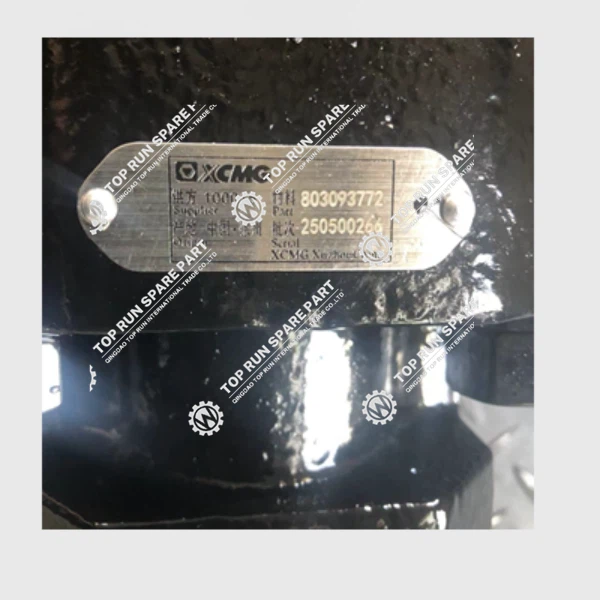
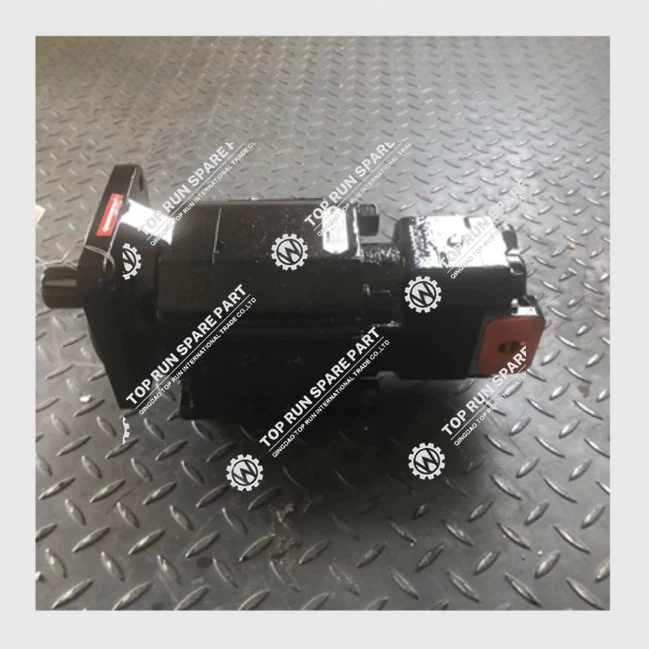
Moreover, the weight capacity of the bucket is also a significant factor. Overloading a bucket can cause structural damage to the bucket itself and put excessive stress on the wheel loader. This can lead to premature failure of components such as the Gear Pump 803093772, which is responsible for providing hydraulic power to the bucket's movement.
2. Material Compatibility
Wheel loader buckets are designed to handle a wide range of materials, but they have limitations when it comes to material compatibility. Different materials have different physical properties such as density, abrasiveness, and stickiness, which can affect the performance of the bucket.
Abrasive Materials: Materials like gravel, crushed stone, and some types of ore are highly abrasive. When a wheel loader bucket is used to handle these materials, the constant friction between the material and the bucket's surface can cause significant wear. The cutting edge of the bucket, in particular, is prone to rapid deterioration. Over time, this wear can reduce the efficiency of the bucket, as a worn - out cutting edge will have a harder time penetrating and scooping up the material.
Sticky Materials: Materials such as wet clay or some types of sludge are sticky. They tend to adhere to the inner surface of the bucket, reducing the effective capacity of the bucket. This can be a major problem as it requires additional effort to clean the bucket after each load. In some cases, the sticky material can even cause blockages in the bucket's opening, preventing proper material flow.
Corrosive Materials: Certain chemicals and some types of industrial waste can be corrosive. If a wheel loader bucket is exposed to these materials without proper protection, the metal components of the bucket can corrode. Corrosion weakens the structure of the bucket, making it more susceptible to failure during operation.
3. Shape and Design Limitations
The shape and design of a wheel loader bucket also impose limitations on its material - handling capabilities.
Bucket Shape: Most wheel loader buckets have a relatively standard shape, which is optimized for general - purpose material handling. However, this standard shape may not be suitable for all types of materials or applications. For example, a bucket with a wide and shallow shape is better for handling loose materials like sand, while a narrow and deep bucket is more suitable for handling long and bulky items. If the wrong bucket shape is used for a particular material, it can lead to inefficient loading and unloading.
Cutting Edge Design: The cutting edge of the bucket is crucial for scooping up the material. However, the design of the cutting edge can limit the bucket's performance. A cutting edge that is too blunt will have difficulty penetrating hard materials, while a cutting edge that is too sharp may be prone to chipping or breaking when handling tough materials.
4. Operating Conditions
The operating conditions in which a wheel loader bucket is used can also pose limitations.
Terrain: In rough or uneven terrains, the stability of the wheel loader can be affected. This, in turn, can impact the ability of the bucket to handle materials effectively. For example, on a sloped surface, the bucket may not be able to maintain a proper angle for scooping up the material, leading to inefficient loading. Additionally, rough terrains can cause more vibrations, which can increase the wear on the bucket and its components, such as the 804019433 Plunger Pump that controls the hydraulic movement of the bucket.
Weather Conditions: Extreme weather conditions can also have an impact on the performance of the wheel loader bucket. In cold weather, materials like water - based sludge can freeze, making it difficult for the bucket to scoop them up. In hot weather, the heat can cause the hydraulic fluid in the wheel loader to overheat, affecting the operation of the bucket's hydraulic system.
5. Attachment Limitations
While wheel loader buckets can be equipped with various attachments to enhance their functionality, these attachments also have limitations.
Grapples and Forks: Attachments such as grapples and forks can be used to handle specific types of materials. However, they often reduce the overall capacity of the bucket. For example, a grapple attachment may take up some of the space inside the bucket, limiting the amount of material that can be carried. Additionally, these attachments require additional hydraulic power, which can put more strain on the wheel loader's hydraulic system.
Magnetic Attachments: Magnetic attachments are useful for handling ferrous materials. But they are only effective for materials that are magnetic. If the material being handled is non - magnetic, the magnetic attachment will be of no use.
Despite these limitations, wheel loader buckets remain an essential tool in the material - handling industry. At our company, we are committed to providing high - quality Wheel Loader Buckets that are designed to minimize these limitations as much as possible. We use advanced materials and manufacturing techniques to improve the durability, capacity, and compatibility of our buckets.
If you are in the market for a wheel loader bucket or need more information about how to overcome the limitations in your specific material - handling operations, we encourage you to reach out to us. Our team of experts is ready to assist you in finding the right solution for your needs. Whether it's choosing the right bucket size, material, or attachment, we have the knowledge and experience to help you make the best decision.
References
- Smith, J. (2018). "Material Handling Equipment: Principles and Applications". Publisher: ABC Publishing.
- Johnson, R. (2019). "Wheel Loader Technology and Performance". Journal of Heavy Equipment Engineering, 15(2), 34 - 45.
- Brown, T. (2020). "Limitations and Improvements in Wheel Loader Bucket Design". Proceedings of the International Conference on Construction Equipment, 2020, 123 - 132.
Categories
QR Code


