What are the technical specifications of crane spare parts?
 Language
 Français
 Español
 Árabe
Árabe
 Deutsch
 简体中文
简体中文
 Português
 Русский
 日本語
日本語
 한국어
한국어
 हिंदी
हिंदी
 Prancis
 Türkçe
 Tiếng Việt
 Italiano
 ไทย
ไทย

-
Tel
+86 15275228746
-
WhatsApp/WeChat
8615275228746
Blog
Company intro
10000m 2+ Cover Area QINGDAO TOP RUN INTERNATIONAL TRADE CO., LTD Qingdao Top Run International Trade Co., Ltd. has been a professional and leading supplier of construction machinery spare parts in China for over 15 years. With extensive experience and expertise, we have established strong partnerships with top manufacturers to offer a wide range of genuine and OEM parts for brands such as XCMG, SANY, ZOOMLION, SHANTUI, LIUGONG, and more. 80+ Employees View more Looking for properate products? Contact us
Send Message
What are the technical specifications of crane spare parts?
Oct 31, 2025
View: 189
As a trusted supplier of crane spare parts, I understand the importance of having a comprehensive understanding of the technical specifications of these components. In this blog post, I will delve into the key technical aspects of various crane spare parts, providing you with valuable insights to make informed decisions for your crane maintenance and repair needs.
1. Structural Components
a. Crane Beams
Crane beams are fundamental structural elements that support the load and the movement of the crane. The technical specifications of crane beams include their material, cross - sectional shape, and dimensions.
- Material: Most crane beams are made of high - strength steel, such as Q345 or Q460 in the Chinese standard. These steels offer excellent strength - to - weight ratios, which are crucial for reducing the overall weight of the crane while maintaining its load - bearing capacity.
- Cross - sectional Shape: Common cross - sectional shapes for crane beams are I - beams and box beams. I - beams are widely used due to their high moment of inertia, which allows them to resist bending effectively. Box beams, on the other hand, provide better torsional resistance and are often used in more complex crane structures.
- Dimensions: The dimensions of crane beams, including the height, width, and flange thickness, are determined by the design load of the crane. For example, a crane with a higher lifting capacity will require beams with larger cross - sectional dimensions to ensure structural integrity.
b. Columns
Crane columns support the entire crane structure and transfer the load to the foundation.
- Material: Similar to crane beams, columns are typically made of high - strength steel. The choice of material depends on factors such as the height of the column, the load it needs to carry, and the environmental conditions.
- Section Shape: Circular and square hollow sections are commonly used for crane columns. Circular sections offer uniform stress distribution, while square sections are easier to connect with other structural components.
- Height and Diameter/Width: The height of the column is determined by the overall height of the crane and the installation requirements. The diameter or width of the column is designed based on the load - bearing capacity and the buckling resistance requirements.
2. Mechanical Components
a. Hoisting Mechanisms
Hoisting mechanisms are responsible for lifting and lowering the load.
- Wire Ropes: Wire ropes are a critical part of the hoisting mechanism. Their technical specifications include the number of strands, the number of wires per strand, and the diameter. For example, a 6×37 wire rope means it has 6 strands with 37 wires per strand. The diameter of the wire rope is selected based on the lifting capacity of the crane. A larger diameter wire rope can withstand higher loads.
- Drum: The drum is used to wind and unwind the wire rope. Its diameter, length, and groove profile are important specifications. The diameter of the drum affects the bending stress on the wire rope, and a larger drum diameter can reduce the bending stress and extend the service life of the wire rope. The length of the drum determines the maximum lifting height of the crane.
b. Trolley and Bridge Drives
Trolley and bridge drives are used to move the crane horizontally.
- Motors: The motors used in trolley and bridge drives are typically electric motors. Their power rating is determined by the load to be moved, the speed of movement, and the acceleration requirements. For example, a crane with a large load capacity and high - speed operation will require a more powerful motor.
- Gearboxes: Gearboxes are used to transmit power from the motor to the wheels or sprockets. The gear ratio of the gearbox is an important specification, which determines the speed and torque output. A higher gear ratio can provide more torque at a lower speed, which is suitable for starting and moving heavy loads.
3. Hydraulic Components
a. Hydraulic Pumps
Hydraulic pumps are used to generate hydraulic pressure in the crane's hydraulic system.
- Hydraulic Pump HP51B678 - 20 - 20 - 10 - 02GA: This pump is a high - performance hydraulic pump designed for crane applications. Its technical specifications include a maximum pressure rating of [X] bar, a flow rate of [X] liters per minute, and a displacement of [X] cubic centimeters per revolution. The pump is made of high - quality materials and has a compact design, which makes it suitable for use in limited - space environments. You can find more information about this pump on our website Hydraulic Pump HP51B678 - 20 - 20 - 10 - 02GA.
b. Hydraulic Cylinders
Hydraulic cylinders are used to convert hydraulic energy into linear mechanical energy.
- Bore and Stroke: The bore of the hydraulic cylinder is the internal diameter of the cylinder tube, and the stroke is the maximum distance the piston can travel. These two specifications determine the force output and the range of motion of the cylinder. For example, a larger bore diameter can generate a greater force, while a longer stroke allows for a larger movement range.
4. Electrical Components
a. Motors
In addition to the motors used in mechanical drives, there are also various types of motors in the crane's electrical system, such as brake motors and control motors.
- Power and Speed: The power of the motor is selected based on the specific application. For example, a brake motor used for stopping the crane's movement quickly requires a certain amount of power to generate sufficient braking force. The speed of the motor is also an important specification, which is related to the operation requirements of the crane.
b. Control Systems
Control systems are used to operate and monitor the crane.
- PLC (Programmable Logic Controller): PLCs are widely used in crane control systems. Their technical specifications include the number of input/output points, the processing speed, and the programming language support. A PLC with more input/output points can handle more complex control tasks, while a higher processing speed can ensure real - time control of the crane.
5. Specialized Components
a. Battery Powered Heavy Cargo Skates
Battery - powered heavy cargo skates are used for moving heavy loads in a horizontal direction. These skates offer several advantages, such as easy operation and high maneuverability. Our Battery Powered Heavy Cargo Skates have a maximum load capacity of [X] tons, a battery life of [X] hours, and a speed of [X] meters per minute.
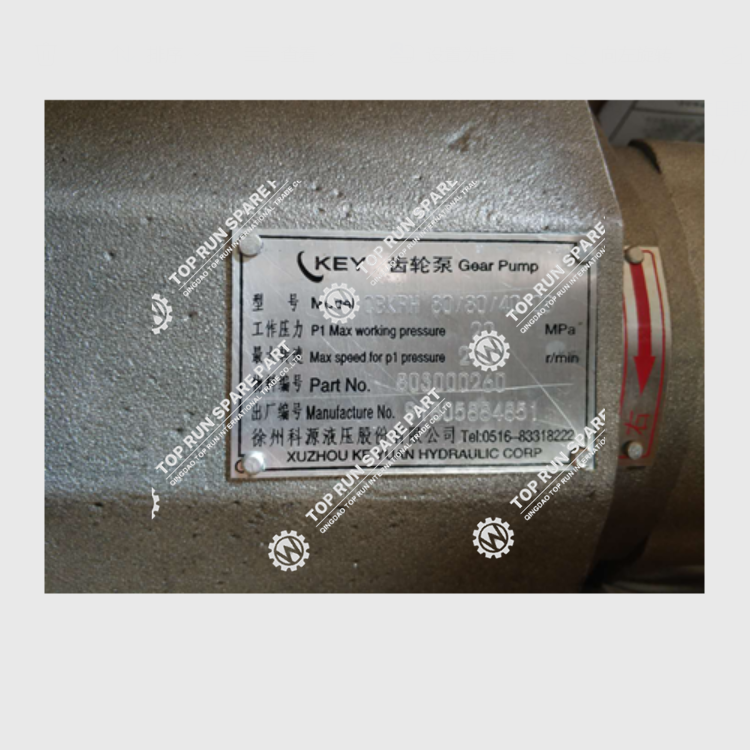
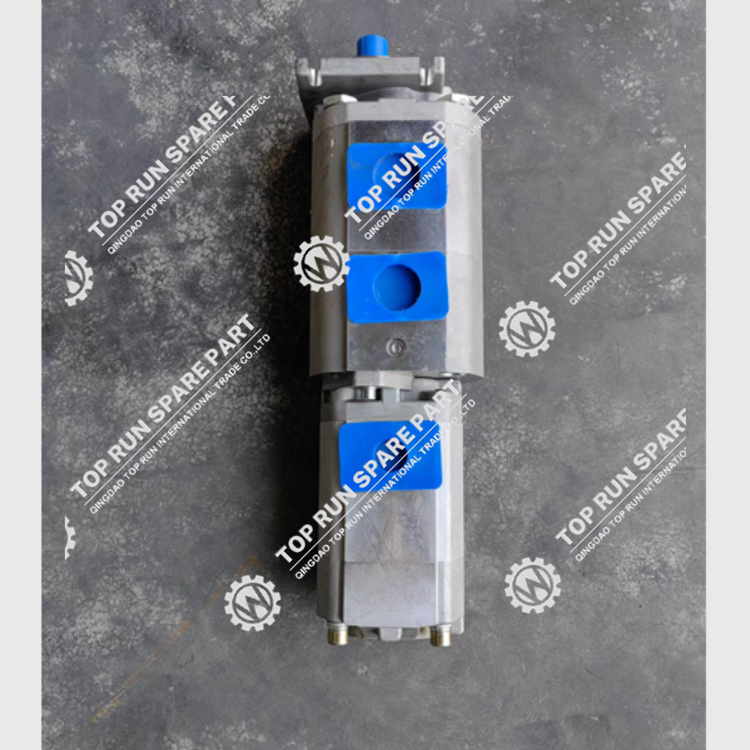
b. Gear Pump 803000260
The Gear Pump 803000260 is a reliable component in the crane's hydraulic system. It has a displacement of [X] cubic centimeters per revolution, a maximum pressure rating of [X] bar, and a high - efficiency gear design. You can learn more about this gear pump on our website Gear Pump 803000260.
In conclusion, understanding the technical specifications of crane spare parts is essential for ensuring the safe and efficient operation of cranes. As a professional crane spare parts supplier, we offer a wide range of high - quality spare parts that meet the strictest technical requirements. Whether you need to replace a worn - out component or upgrade your crane's performance, we have the right solution for you. If you are interested in our products or have any questions about crane spare parts, please feel free to contact us for procurement and negotiation. We look forward to serving you and helping you keep your cranes in top - notch condition.
References
- Machinery's Handbook, 31st Edition
- Crane Design and Safety Standards (ISO 4301 series)
- Hydraulic System Design and Maintenance Manual
Categories
QR Code


