How does the weight of a truck crane gearbox affect the crane's performance?
 Language
 Français
 Español
 Árabe
Árabe
 Deutsch
 简体中文
简体中文
 Português
 Русский
 日本語
日本語
 한국어
한국어
 हिंदी
हिंदी
 Prancis
 Türkçe
 Tiếng Việt
 Italiano
 ไทย
ไทย

-
Tel
+86 15275228746
-
WhatsApp/WeChat
8615275228746
Blog
Company intro
10000m 2+ Cover Area QINGDAO TOP RUN INTERNATIONAL TRADE CO., LTD Qingdao Top Run International Trade Co., Ltd. has been a professional and leading supplier of construction machinery spare parts in China for over 15 years. With extensive experience and expertise, we have established strong partnerships with top manufacturers to offer a wide range of genuine and OEM parts for brands such as XCMG, SANY, ZOOMLION, SHANTUI, LIUGONG, and more. 80+ Employees View more Looking for properate products? Contact us
Send Message
How does the weight of a truck crane gearbox affect the crane's performance?
Oct 31, 2025
View: 187
In the realm of heavy - duty construction and industrial operations, truck cranes stand as indispensable workhorses. These powerful machines are designed to lift and move heavy loads with precision and efficiency. At the heart of a truck crane's functionality lies its gearbox, a complex and crucial component that plays a pivotal role in determining the crane's overall performance. As a leading truck crane gearbox supplier, I have witnessed firsthand how the weight of a truck crane gearbox can significantly impact the crane's performance.
Understanding the Basics of a Truck Crane Gearbox
Before delving into the impact of gearbox weight on crane performance, it is essential to understand the basic function of a truck crane gearbox. A gearbox is essentially a mechanical device that uses gears and gear trains to provide speed and torque conversions from a rotating power source, typically an engine, to another device. In the context of a truck crane, the gearbox is responsible for transmitting power from the engine to the crane's various components, such as the hoist, boom, and slew mechanism.
The gearbox allows the crane operator to control the speed and force of these components, enabling precise and efficient lifting operations. Different types of gearboxes, such as manual, automatic, and semi - automatic, are used in truck cranes, each with its own set of advantages and disadvantages. However, regardless of the type, the weight of the gearbox is a critical factor that can influence the crane's performance in multiple ways.
Impact on Mobility and Maneuverability
One of the most immediate effects of a heavy gearbox on a truck crane is its impact on mobility and maneuverability. A truck crane needs to be mobile to reach different job sites and maneuver around obstacles. The weight of the gearbox adds to the overall weight of the crane, which can increase the vehicle's inertia. This means that more energy is required to start, stop, and change the direction of the crane.
For example, a crane with a heavier gearbox may have a slower acceleration rate, making it less responsive when moving from one location to another on a job site. This can lead to longer travel times between lifting operations, reducing the overall productivity of the crane. Additionally, the increased weight can put more stress on the crane's suspension and braking systems. The suspension may struggle to absorb the additional load, leading to a rougher ride and potentially causing premature wear and tear on the suspension components. The braking system also needs to work harder to stop the heavier crane, which can increase the braking distance and pose a safety risk.
Influence on Lifting Capacity
The weight of the gearbox can also have a significant impact on the crane's lifting capacity. A truck crane's lifting capacity is determined by a variety of factors, including the strength of the boom, the stability of the crane, and the power of the engine. The gearbox, being a part of the power - transmission system, affects the amount of power that can be effectively transferred to the lifting mechanism.
A heavier gearbox can reduce the available payload capacity of the crane. Since the total weight that a crane can carry is limited by its design and the regulations, the weight of the gearbox subtracts from the amount of weight that can be lifted. For instance, if a crane has a maximum gross vehicle weight of 50 tons and the gearbox weighs 5 tons more than a lighter alternative, the available lifting capacity is effectively reduced by 5 tons.
Moreover, the weight distribution of the gearbox within the crane can affect its stability during lifting operations. If the gearbox is located in a way that shifts the center of gravity of the crane, it can make the crane more prone to tipping over, especially when lifting heavy loads at maximum reach. This requires careful consideration during the design and installation of the gearbox to ensure that the crane remains stable under all operating conditions.
Effect on Fuel Efficiency
Fuel efficiency is a major concern for truck crane operators, as it directly impacts the operating costs of the crane. The weight of the gearbox plays a role in determining the fuel consumption of the crane. A heavier gearbox requires more power to operate, which in turn means that the engine has to work harder and consume more fuel.
The engine needs to generate additional torque to overcome the inertia of the heavier gearbox and transfer power to the lifting and moving components of the crane. This increased power demand leads to higher fuel consumption. Over the course of a long - term operation, the difference in fuel consumption between a crane with a heavy gearbox and one with a lighter gearbox can be substantial. For example, a crane with a heavy gearbox may consume 10 - 15% more fuel per hour of operation compared to a similar crane with a lighter gearbox. This not only increases the operating costs but also has environmental implications, as it results in higher emissions of greenhouse gases.
Impact on Maintenance and Durability
The weight of the gearbox can also influence the maintenance requirements and durability of the truck crane. A heavier gearbox is subject to greater mechanical stress during operation. The gears and other internal components of the gearbox have to withstand the additional forces generated by the weight, which can lead to more frequent wear and tear.
This means that the gearbox may need to be serviced more often, with more frequent oil changes, gear inspections, and component replacements. The increased maintenance requirements can lead to longer downtime for the crane, reducing its availability for work. Additionally, the heavier gearbox can cause more stress on the other components of the power - transmission system, such as the driveshafts and couplings. These components may also experience premature wear and failure, further increasing the maintenance costs and downtime of the crane.
On the other hand, a well - designed and properly maintained heavy gearbox can also have some durability advantages. The additional weight can sometimes provide more stability to the internal components, reducing the risk of vibration - induced damage. However, this requires careful engineering and high - quality manufacturing to ensure that the gearbox can withstand the additional stress.
Balancing Weight and Performance
As a truck crane gearbox supplier, we understand the importance of finding the right balance between the weight of the gearbox and the crane's performance. We work closely with crane manufacturers to develop gearboxes that offer optimal performance while minimizing weight. Advanced materials and manufacturing techniques are used to reduce the weight of the gearbox without sacrificing its strength and durability.
For example, the use of lightweight alloys and composite materials can significantly reduce the weight of the gearbox housing and some internal components. These materials can provide similar or even better mechanical properties compared to traditional steel, while being much lighter. Additionally, innovative gear - design techniques can improve the efficiency of the gearbox, allowing it to transmit power more effectively with less weight.
Related Spare Parts
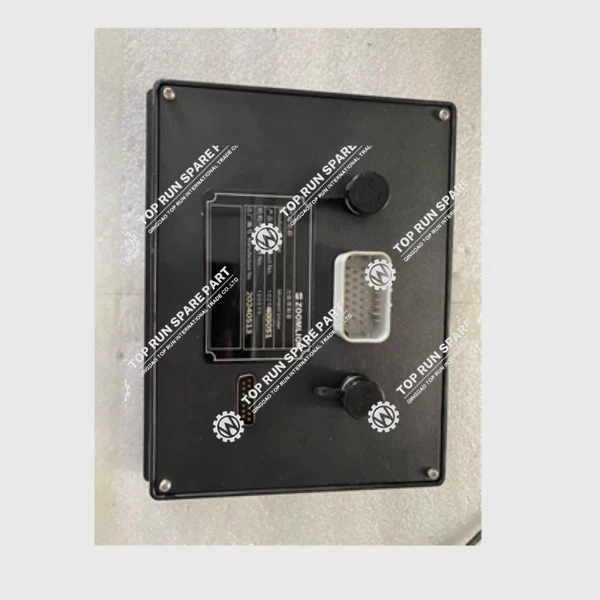
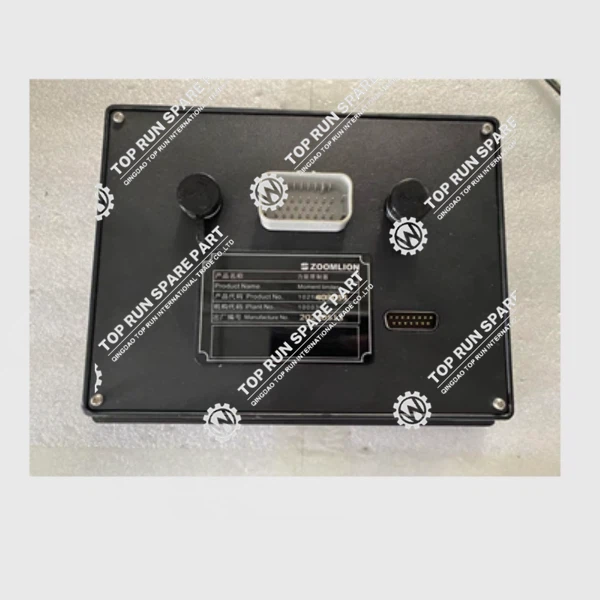
When considering the performance of a truck crane, it's also important to look at other related spare parts. For instance, the Truck Crane Cabin provides a comfortable and safe working environment for the crane operator. A well - designed cabin can enhance the operator's productivity and reduce fatigue. The Truck Crane Hook is another crucial component. A high - quality hook ensures a secure connection between the crane and the load, which is essential for safe and efficient lifting operations. And the WIDE LMI Load Moment Limiter ASSY 1021500 helps to prevent overloading of the crane by continuously monitoring the load moment, providing an important safety feature.
Contact for Procurement
If you are in the market for a truck crane gearbox or other related spare parts, we are here to assist you. Our team of experts can provide you with detailed information about our products, including their weight, performance characteristics, and compatibility with different crane models. We can also offer customized solutions to meet your specific requirements. Whether you are looking to improve the performance of your existing crane or are in the process of building a new one, we have the expertise and products to help you achieve your goals. Feel free to reach out to us to start a procurement discussion.
References
- American Society of Mechanical Engineers (ASME). Crane Design and Safety Standards.
- International Organization for Standardization (ISO). Crane - related Standards.
- Crane Manufacturer's Association of America (CMAA). Guidelines on Crane Performance and Components.
Categories
QR Code


