What is the difference between piston and screw Crane Compressors?
 Language
 Français
 Español
 Árabe
Árabe
 Deutsch
 简体中文
简体中文
 Português
 Русский
 日本語
日本語
 한국어
한국어
 हिंदी
हिंदी
 Prancis
 Türkçe
 Tiếng Việt
 Italiano
 ไทย
ไทย

-
Tel
+86 15275228746
-
WhatsApp/WeChat
8615275228746
Blog
Company intro
10000m 2+ Cover Area QINGDAO TOP RUN INTERNATIONAL TRADE CO., LTD Qingdao Top Run International Trade Co., Ltd. has been a professional and leading supplier of construction machinery spare parts in China for over 15 years. With extensive experience and expertise, we have established strong partnerships with top manufacturers to offer a wide range of genuine and OEM parts for brands such as XCMG, SANY, ZOOMLION, SHANTUI, LIUGONG, and more. 80+ Employees View more Looking for properate products? Contact us
Send Message
What is the difference between piston and screw Crane Compressors?
Sep 29, 2025
View: 198
Hey there! As a supplier of Crane Compressors, I often get asked about the differences between piston and screw crane compressors. So, I thought I'd take a moment to break it down for you in a way that's easy to understand.
Let's start with the basics. A compressor is a machine that increases the pressure of a gas by reducing its volume. In the context of cranes, compressors are used to power various pneumatic systems, like brakes, clutches, and other control mechanisms. Now, when it comes to crane compressors, there are two main types: piston compressors and screw compressors.
Piston Crane Compressors
Piston compressors are the more traditional type. They've been around for a long time and are pretty straightforward in how they work. Inside a piston compressor, there's a piston that moves up and down inside a cylinder. As the piston moves down, it creates a vacuum that sucks in air through an intake valve. Then, when the piston moves back up, it compresses the air and pushes it out through an outlet valve.
One of the big advantages of piston compressors is their simplicity. They're relatively easy to understand and maintain. If something goes wrong, it's usually not too hard to figure out what the problem is and fix it. Plus, piston compressors are often more affordable upfront compared to screw compressors. They're a great option for smaller crane operations or those on a tight budget.
However, piston compressors do have some drawbacks. They tend to be a bit noisy because of the moving parts. The piston moving up and down creates a lot of vibration, which can also lead to more wear and tear over time. And since they work in a stop - start fashion, they can be less efficient when it comes to continuous operation. If you need a compressor that runs constantly, a piston compressor might not be the best choice.
Screw Crane Compressors
Screw compressors, on the other hand, work in a different way. They use two interlocking helical rotors (screws) to compress the air. As the rotors turn, air is trapped between them and is gradually compressed as it moves along the length of the screws.
One of the main benefits of screw compressors is their efficiency. They can operate continuously without the need for frequent stops and starts. This makes them ideal for larger crane operations where a constant supply of compressed air is required. They're also much quieter than piston compressors because there are no large, moving pistons creating vibration.
Screw compressors are also more reliable in the long run. With fewer moving parts compared to piston compressors, there's less chance of something going wrong. They have a longer service life and can handle higher loads without breaking a sweat.
But, screw compressors do come with a higher price tag. The initial investment is usually more than that of a piston compressor. And while they're generally easier to maintain in terms of reliability, when something does go wrong, the repairs can be more complex and expensive.
Performance Comparison
In terms of performance, piston compressors are better at delivering high - pressure air in short bursts. They can quickly build up pressure when needed, which is useful for applications where you need a sudden surge of compressed air. For example, if you're using a crane to lift a heavy load and need to engage the brakes quickly, a piston compressor can provide the necessary pressure right away.
Screw compressors, on the other hand, are better at providing a steady, continuous flow of compressed air at a consistent pressure. They're great for applications where you need a constant supply of air, like running a pneumatic control system on a crane that's in continuous operation.
Maintenance and Lifespan
As I mentioned earlier, piston compressors are relatively easy to maintain. You can usually do basic maintenance tasks like changing the oil, filters, and gaskets yourself. However, because of the moving parts and the vibration, they do require more frequent maintenance. The pistons, valves, and seals need to be checked regularly for wear and tear.
Screw compressors, while having fewer moving parts, still need proper maintenance. The rotors need to be lubricated, and the filters need to be changed regularly. But overall, they have a longer lifespan and can go longer between major maintenance intervals.
Cost Considerations
When it comes to cost, it's not just about the initial purchase price. You also need to consider the operating costs over the lifespan of the compressor. Piston compressors are cheaper to buy, but they can be less energy - efficient, which means higher electricity bills in the long run. Screw compressors, while more expensive upfront, are more energy - efficient and can save you money on operating costs over time.
Which One Should You Choose?
So, which type of compressor is right for you? Well, it depends on your specific needs. If you have a small crane operation, don't need a continuous supply of compressed air, and are on a tight budget, a piston compressor might be the way to go. You can find a good - quality Crane Compressor that fits your requirements without breaking the bank.
On the other hand, if you have a large - scale crane operation that requires a constant supply of compressed air, and you can afford the initial investment, a screw compressor is probably the better choice. It will be more reliable, quieter, and more energy - efficient in the long run.
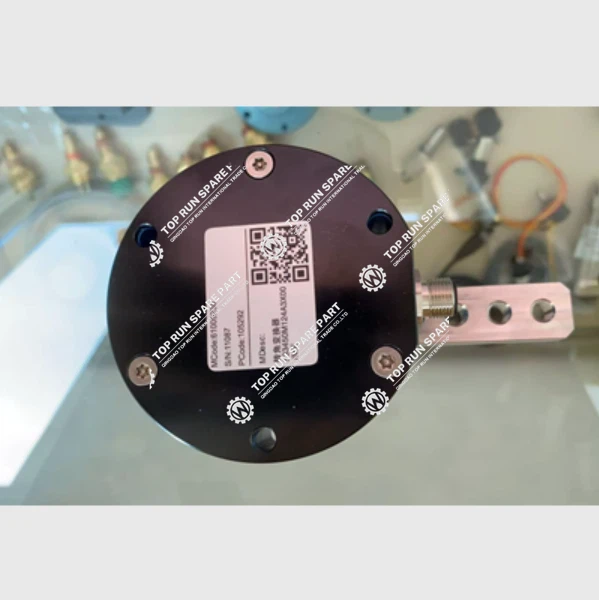
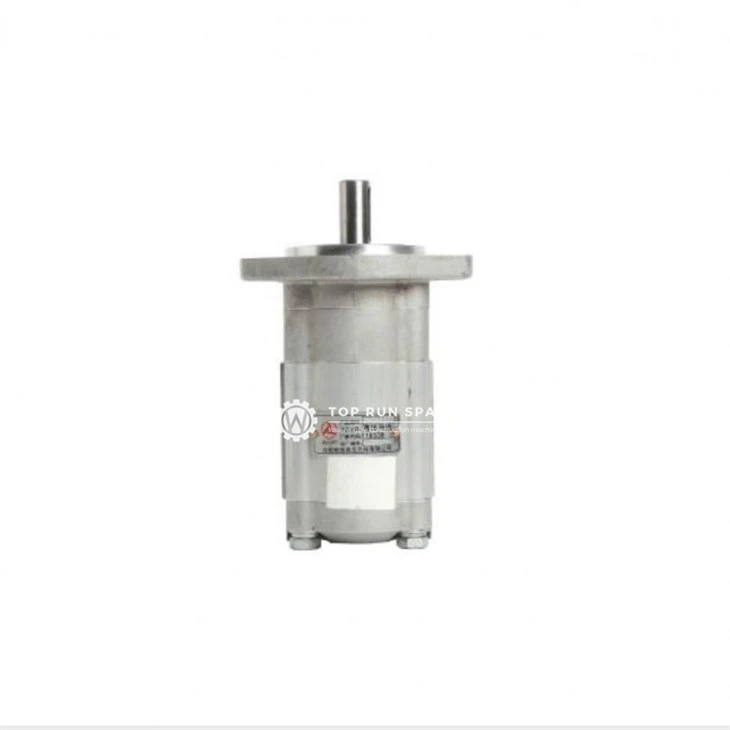
If you're looking for spare parts for your crane compressor, we also offer products like the 60185393 Gear Motor and the ANGLE SENSOR Mobil Elektronik to keep your equipment running smoothly.
If you're still not sure which type of compressor is right for your crane, or if you have any questions about our products, don't hesitate to reach out. We're here to help you make the best decision for your operation. Whether you're a small - time crane operator or a large construction company, we can provide you with the right compressor and support you need.
References
- Compressed Air and Gas Handbook by Compressed Air and Gas Institute
- Industrial Compressor Handbook by Heinz P. Bloch
So, there you have it! The lowdown on the differences between piston and screw crane compressors. I hope this blog post has been helpful to you. If you have any more questions or need further advice, feel free to get in touch. We're always happy to assist with your crane compressor needs.
Categories
QR Code


