What is the effect of crane acceleration on a Crane Moment Limiter?
 Language
 Français
 Español
 Árabe
Árabe
 Deutsch
 简体中文
简体中文
 Português
 Русский
 日本語
日本語
 한국어
한국어
 हिंदी
हिंदी
 Prancis
 Türkçe
 Tiếng Việt
 Italiano
 ไทย
ไทย

-
Tel
+86 15275228746
-
WhatsApp/WeChat
8615275228746
Blog
Company intro
10000m 2+ Cover Area QINGDAO TOP RUN INTERNATIONAL TRADE CO., LTD Qingdao Top Run International Trade Co., Ltd. has been a professional and leading supplier of construction machinery spare parts in China for over 15 years. With extensive experience and expertise, we have established strong partnerships with top manufacturers to offer a wide range of genuine and OEM parts for brands such as XCMG, SANY, ZOOMLION, SHANTUI, LIUGONG, and more. 80+ Employees View more Looking for properate products? Contact us
Send Message
What is the effect of crane acceleration on a Crane Moment Limiter?
Dec 24, 2025
View: 228
In the realm of heavy - lifting operations, cranes stand as the workhorses, enabling the movement of massive loads with relative ease. A crucial component in ensuring the safe and efficient operation of cranes is the Crane Moment Limiter. As a trusted Crane Moment Limiter supplier, I have witnessed firsthand the intricate interplay between various crane operating parameters and the performance of these limiters. One such parameter that demands in - depth exploration is crane acceleration. In this blog, we will delve into the effects of crane acceleration on a Crane Moment Limiter.
Understanding Crane Moment Limiter
Before we discuss the impact of acceleration, it is essential to understand what a Crane Moment Limiter is and its significance. A Crane Moment Limiter is a safety device installed on cranes to prevent overloading. It continuously monitors the load, the radius of the load from the crane's center of rotation, and the angle of the boom. Based on these measurements, it calculates the moment (the product of the load and its distance from the pivot point). If the calculated moment approaches or exceeds the crane's rated capacity, the limiter triggers an alarm and, in some cases, restricts further crane movement.
How Crane Acceleration Works
Crane acceleration occurs when the crane changes its speed during lifting, lowering, or slewing operations. It can be either positive (speeding up) or negative (slowing down). When a crane accelerates, additional forces come into play. These forces are not just the static forces due to the weight of the load but also dynamic forces resulting from the change in velocity.
Effects of Crane Acceleration on Crane Moment Limiter
1. Dynamic Load Increase
One of the most immediate effects of crane acceleration is the increase in the dynamic load. According to Newton's second law of motion, F = ma, where F is the force, m is the mass of the load, and a is the acceleration. When the crane accelerates, a non - zero acceleration value is introduced, which means an additional force is acting on the crane's structure and the load. This additional force can cause the actual moment on the crane to deviate significantly from the static moment calculated based on the load's weight alone.
The Crane Moment Limiter, which is typically calibrated for static loads, may not accurately account for these dynamic forces during acceleration. As a result, the actual moment on the crane can exceed the rated capacity without the limiter detecting it in a timely manner. For example, during a rapid lifting operation, the acceleration can cause the load to swing and create additional lateral forces. These lateral forces increase the overall moment on the crane, potentially leading to an overloading situation that the limiter may not properly address.
2. False Alarms
On the other hand, crane acceleration can also cause false alarms in the Crane Moment Limiter. Sudden acceleration or deceleration can create transient spikes in the measured forces. The limiter, which is designed to respond quickly to changes in the moment, may interpret these spikes as an approaching overload condition. This can lead to unnecessary alarms, disrupting the normal operation of the crane and causing delays in the lifting process.
For instance, when a crane operator suddenly stops the slewing motion, the inertia of the load can cause a brief increase in the measured moment. The limiter may detect this increase and trigger an alarm, even though the actual load and the crane's capacity are well within the safe limits once the crane comes to a complete stop.
3. Wear and Tear on the Limiter
The dynamic forces generated during crane acceleration can also cause increased wear and tear on the Crane Moment Limiter. The sensors in the limiter, which are responsible for measuring the load, radius, and angle, are subjected to additional stresses. Over time, these stresses can lead to sensor drift, where the sensors no longer provide accurate measurements. This can compromise the reliability of the limiter and reduce its ability to accurately detect overloading situations.
Mitigating the Effects of Crane Acceleration
1. Advanced Calibration
To address the issue of dynamic load increase, modern Crane Moment Limiters can be calibrated to account for acceleration. By using advanced algorithms and sensors with higher sampling rates, the limiter can better estimate the dynamic forces acting on the crane. This allows for a more accurate calculation of the moment, reducing the risk of undetected overloading.
2. Filtering Algorithms
To prevent false alarms, filtering algorithms can be implemented in the limiter. These algorithms can distinguish between transient spikes caused by acceleration and actual overloading conditions. By filtering out the short - term fluctuations in the measured forces, the limiter can provide more reliable alarm signals.
3. Regular Maintenance
Regular maintenance of the Crane Moment Limiter is crucial to minimize the effects of wear and tear. This includes checking and calibrating the sensors, inspecting the wiring and connections, and ensuring that the limiter's software is up - to - date. By maintaining the limiter in good condition, its accuracy and reliability can be preserved, even in the presence of crane acceleration.
Related Crane Spare Parts
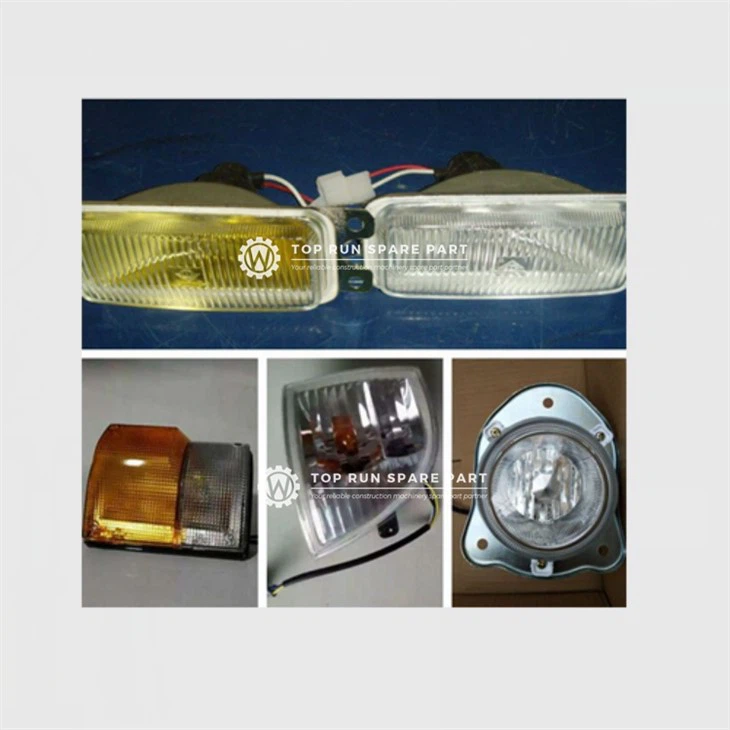
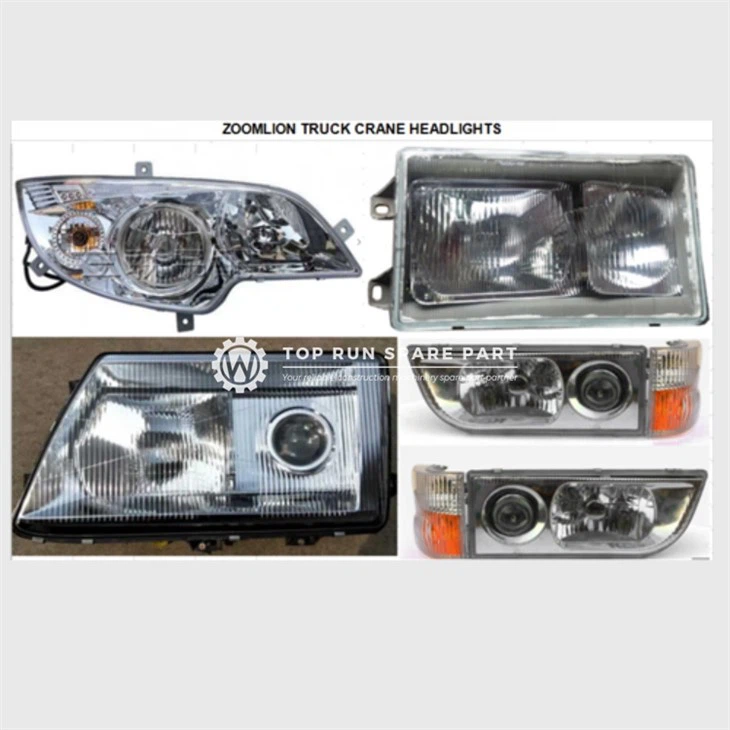
As a Crane Moment Limiter supplier, we also understand the importance of other crane spare parts in ensuring the overall performance of the crane. For example, Truck Crane Lights play a vital role in providing visibility during night - time or low - light operations. Proper lighting can enhance the safety of crane operators and prevent accidents.
Truck Crane Cabin is another essential component. It provides a comfortable and safe working environment for the crane operator. A well - designed cabin can improve operator efficiency and reduce fatigue.
Crane Steel Wire Rope is responsible for lifting and lowering the load. The quality of the wire rope directly affects the crane's lifting capacity and safety. A high - quality wire rope can withstand the dynamic forces generated during acceleration and ensure smooth and reliable crane operation.
Conclusion
Crane acceleration has significant effects on a Crane Moment Limiter. It can cause dynamic load increases, false alarms, and wear and tear on the limiter. However, with advanced calibration, filtering algorithms, and regular maintenance, these effects can be mitigated. As a Crane Moment Limiter supplier, we are committed to providing high - quality limiters that can adapt to the dynamic nature of crane operations.
If you are in the market for a reliable Crane Moment Limiter or any of the related crane spare parts, we invite you to contact us for procurement and further discussions. Our team of experts is ready to assist you in finding the best solutions for your crane safety and performance needs.
References
- "Crane Safety Handbook" by ASME (American Society of Mechanical Engineers)
- "Mechanical Engineering Principles" by John Bird
- Industry research reports on crane technology and safety
Categories
QR Code


