What is the efficiency of a triple gear pump?
 Language
 Français
 Español
 Árabe
Árabe
 Deutsch
 简体中文
简体中文
 Português
 Русский
 日本語
日本語
 한국어
한국어
 हिंदी
हिंदी
 Prancis
 Türkçe
 Tiếng Việt
 Italiano
 ไทย
ไทย

-
Tel
+86 15275228746
-
WhatsApp/WeChat
8615275228746
Blog
Company intro
10000m 2+ Cover Area QINGDAO TOP RUN INTERNATIONAL TRADE CO., LTD Qingdao Top Run International Trade Co., Ltd. has been a professional and leading supplier of construction machinery spare parts in China for over 15 years. With extensive experience and expertise, we have established strong partnerships with top manufacturers to offer a wide range of genuine and OEM parts for brands such as XCMG, SANY, ZOOMLION, SHANTUI, LIUGONG, and more. 80+ Employees View more Looking for properate products? Contact us
Send Message
What is the efficiency of a triple gear pump?
Nov 19, 2025
View: 189
As a supplier of triple gear pumps, I've spent a significant amount of time delving into the intricacies of these remarkable pieces of machinery. One of the most frequently asked questions I encounter is about the efficiency of a triple gear pump. In this blog, I'll break down the concept of efficiency in triple gear pumps, exploring the factors that influence it and why it matters in various applications.
Understanding the Basics of a Triple Gear Pump
Before we dive into efficiency, let's briefly understand what a triple gear pump is. A triple gear pump consists of three intermeshing gears enclosed in a housing. The gears are typically arranged in a configuration where one is the driving gear, and the other two are driven gears. As the driving gear rotates, it meshes with the driven gears, creating chambers that expand and contract. This action draws fluid into the pump at the inlet side and discharges it at the outlet side.
Defining Efficiency in a Triple Gear Pump
Efficiency in a triple gear pump is a measure of how effectively the pump converts mechanical energy (input power) into hydraulic energy (output power). It is usually expressed as a percentage and is calculated by dividing the output power by the input power and multiplying by 100.
The output power of a pump is the hydraulic power delivered to the fluid, which can be calculated using the formula:
[P_{out}=\frac{Q\times\Delta P}{60}]
where (P_{out}) is the output power in kilowatts (kW), (Q) is the flow rate in liters per minute (L/min), and (\Delta P) is the pressure difference across the pump in bars.
The input power is the mechanical power supplied to the pump shaft, which can be measured using a dynamometer or calculated based on the motor power and the efficiency of the drive system.
Factors Affecting the Efficiency of a Triple Gear Pump
Several factors can influence the efficiency of a triple gear pump. Understanding these factors is crucial for optimizing pump performance and ensuring energy savings.
1. Viscosity of the Fluid
The viscosity of the fluid being pumped plays a significant role in pump efficiency. High - viscosity fluids require more energy to move through the pump because of the increased resistance to flow. As the viscosity increases, the internal leakage in the pump decreases, but the frictional losses increase. There is an optimal viscosity range for each pump design where the efficiency is maximized. For example, if you are using a triple gear pump to transfer a thick lubricating oil, the pump may need to work harder compared to pumping a thinner hydraulic fluid.
2. Clearances between Gears and Housing
The clearances between the gears and the pump housing are critical for pump efficiency. If the clearances are too large, there will be excessive internal leakage, which means that some of the fluid will recirculate within the pump instead of being delivered to the outlet. This reduces the volumetric efficiency of the pump. On the other hand, if the clearances are too small, there will be increased frictional losses due to the contact between the moving parts, which can reduce the mechanical efficiency.
3. Rotational Speed
The rotational speed of the pump affects its efficiency in multiple ways. At low speeds, the volumetric efficiency may be lower due to increased internal leakage. As the speed increases, the volumetric efficiency generally improves because the leakage becomes less significant compared to the flow rate. However, at very high speeds, the frictional losses increase, and the pump may experience cavitation, which can damage the pump components and reduce efficiency.
4. Pressure
The operating pressure of the pump also impacts its efficiency. As the pressure increases, the internal forces within the pump increase, which can lead to increased leakage and frictional losses. There is a trade - off between the flow rate and the pressure, and the pump should be operated within its designed pressure range to achieve optimal efficiency.
Importance of Efficiency in Triple Gear Pumps
The efficiency of a triple gear pump is of utmost importance in various applications.
1. Energy Savings
In industrial applications, pumps consume a significant amount of energy. A more efficient pump can reduce energy consumption, leading to cost savings. For example, in a manufacturing plant where triple gear pumps are used for hydraulic systems, improving pump efficiency can result in substantial savings on electricity bills over time.
2. System Performance
Efficient pumps ensure consistent and reliable performance of the entire hydraulic system. A pump with low efficiency may not be able to deliver the required flow rate and pressure, which can lead to reduced productivity and increased downtime for maintenance and repairs.
3. Environmental Impact
By reducing energy consumption, efficient pumps also have a positive environmental impact. They help to lower greenhouse gas emissions associated with energy production, contributing to a more sustainable operation.
Applications and Efficiency Requirements
Triple gear pumps are used in a wide range of applications, each with its own efficiency requirements.
1. Hydraulic Systems
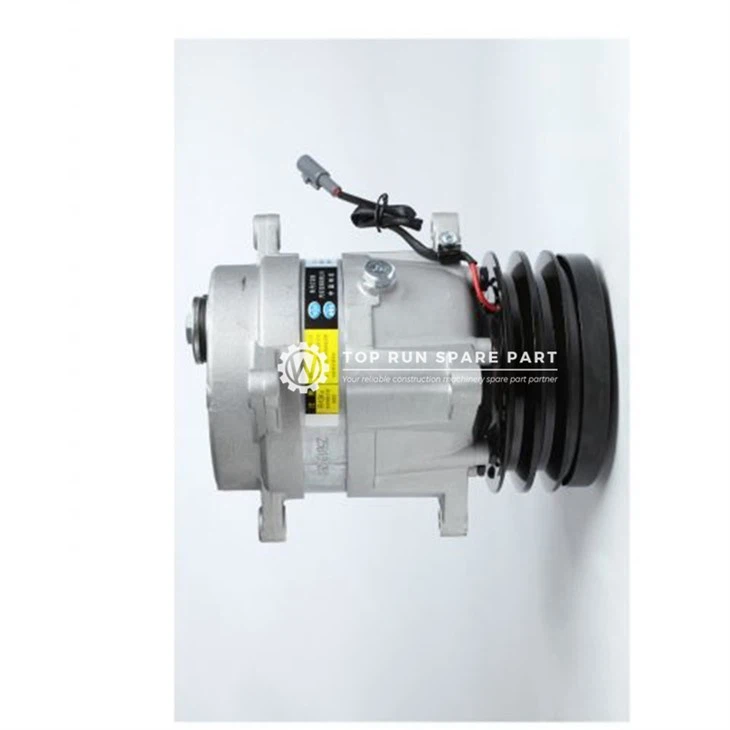
In hydraulic systems, such as those used in construction equipment like Crane Compressor, efficiency is crucial for smooth operation and precise control. The pump needs to deliver a consistent flow rate and pressure to ensure that the hydraulic cylinders and motors work effectively.
2. Lubrication Systems
In lubrication systems, triple gear pumps are used to supply oil to various components of a machine. The efficiency of the pump ensures that the lubricant is delivered at the right pressure and flow rate, which is essential for reducing wear and tear and extending the service life of the machine.
3. Chemical Processing
In chemical processing plants, triple gear pumps are used to transfer various chemicals. The efficiency of the pump is important for accurate metering and for preventing leaks, which can be hazardous in a chemical environment.
Improving the Efficiency of a Triple Gear Pump
There are several ways to improve the efficiency of a triple gear pump.
1. Proper Sizing
Selecting the right pump size for the application is crucial. An oversized pump will operate at a lower efficiency because it will be running at a point far from its optimal operating range. On the other hand, an undersized pump may not be able to deliver the required flow rate and pressure, leading to inefficiencies.
2. Regular Maintenance
Regular maintenance, such as checking and adjusting the clearances, replacing worn - out parts, and keeping the pump clean, can significantly improve pump efficiency. For example, if the gears in a triple gear pump are worn, they can cause increased leakage and reduced efficiency. Replacing the gears in a timely manner can restore the pump's performance.
3. Using the Right Fluid
Using a fluid with the appropriate viscosity for the pump and the application is essential. The fluid should also be clean and free from contaminants to prevent damage to the pump components and to ensure smooth operation.
Conclusion
The efficiency of a triple gear pump is a complex but important concept. It is affected by various factors such as fluid viscosity, clearances, rotational speed, and pressure. Understanding these factors and taking steps to optimize pump performance can lead to energy savings, improved system performance, and a reduced environmental impact.
If you are in the market for a triple gear pump or need to improve the efficiency of your existing pump system, I encourage you to contact us for a detailed consultation. We have a wide range of high - efficiency triple gear pumps suitable for various applications, and our team of experts can help you select the right pump and provide you with the necessary support for installation and maintenance.
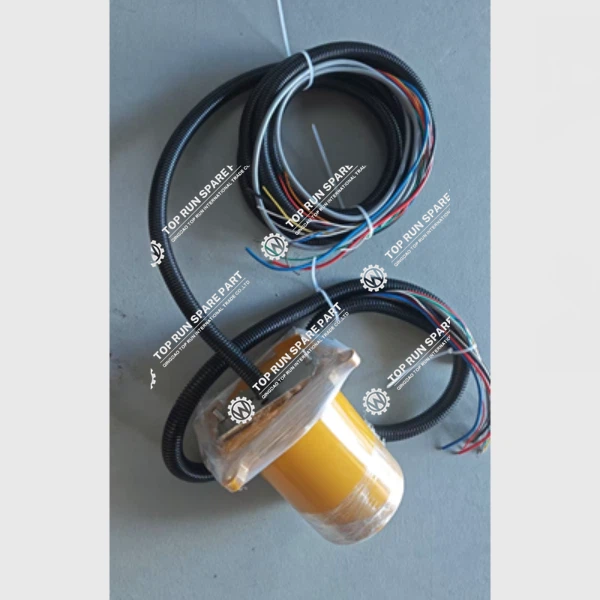
In addition to triple gear pumps, we also supply related products such as 60185393 Gear Motor and Slip Ring 60209845, which can be integrated into your hydraulic systems for enhanced performance.
References
- "Hydraulic Pump Handbook" - A comprehensive guide on hydraulic pumps, including triple gear pumps, published by a leading industry publisher.
- "Fluid Mechanics and Hydraulic Machines" - A textbook that provides in - depth knowledge of fluid flow and pump operation.
- Industry research reports on pump efficiency and energy savings in industrial applications.
Categories
QR Code


