What is the inspection process for sany crane spare parts?
 Language
 Français
 Español
 Árabe
Árabe
 Deutsch
 简体中文
简体中文
 Português
 Русский
 日本語
日本語
 한국어
한국어
 हिंदी
हिंदी
 Prancis
 Türkçe
 Tiếng Việt
 Italiano
 ไทย
ไทย

-
Tel
+86 15275228746
-
WhatsApp/WeChat
8615275228746
Blog
Company intro
10000m 2+ Cover Area QINGDAO TOP RUN INTERNATIONAL TRADE CO., LTD Qingdao Top Run International Trade Co., Ltd. has been a professional and leading supplier of construction machinery spare parts in China for over 15 years. With extensive experience and expertise, we have established strong partnerships with top manufacturers to offer a wide range of genuine and OEM parts for brands such as XCMG, SANY, ZOOMLION, SHANTUI, LIUGONG, and more. 80+ Employees View more Looking for properate products? Contact us
Send Message
What is the inspection process for sany crane spare parts?
Nov 4, 2025
View: 208
Hey there! As a supplier of Sany crane spare parts, I often get asked about the inspection process for these parts. It's a crucial step that ensures the quality and reliability of the spare parts we provide. So, let's dive right in and break down the inspection process.
Initial Visual Inspection
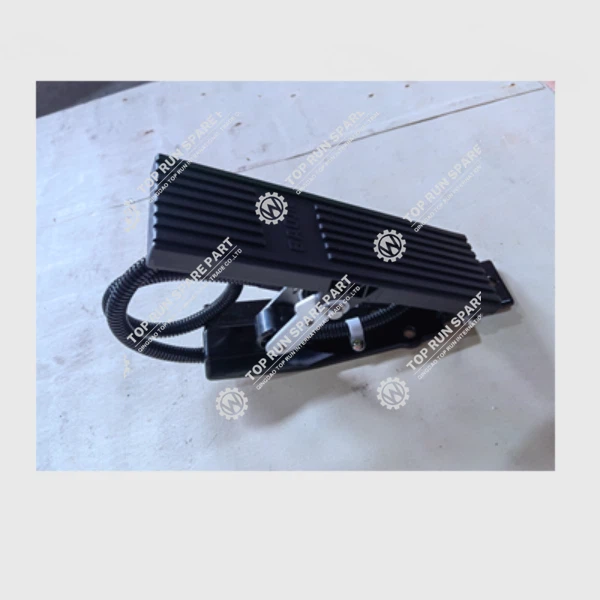
The very first step in our inspection process is a thorough visual check. When the spare parts arrive at our facility, our team immediately starts looking for any obvious signs of damage. We're talking about things like dents, scratches, cracks, or any other visible defects. This might seem like a simple step, but it's super important. A small scratch on a Accelerator Pedal could lead to bigger problems down the line, like poor performance or even failure.
We also check the packaging. If the packaging is damaged, there's a higher chance that the part inside might have been affected during transit. We make sure the parts are properly labeled with the correct part numbers and specifications. This helps us keep track of everything and ensures that we're getting exactly what we ordered.
Dimensional Inspection
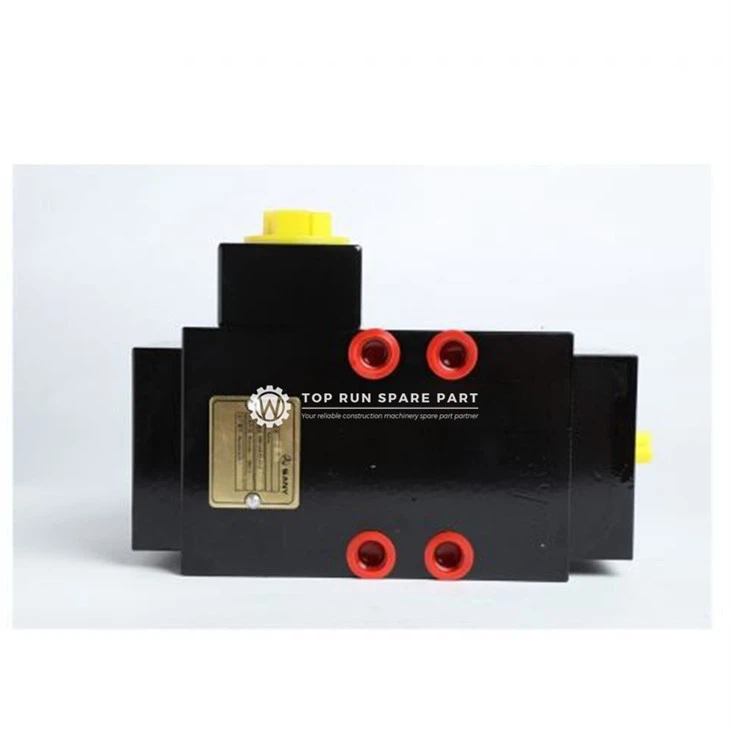
After the visual inspection, we move on to dimensional inspection. Every Sany crane spare part has specific dimensions that it needs to meet. We use precision measuring tools like calipers, micrometers, and gauges to check if the parts are within the acceptable tolerance range. For example, a Pilot Valve 60034448 has very precise dimensions that are critical for its proper functioning. If the valve is even slightly off in size, it might not fit correctly or work as intended.
We compare the measured dimensions with the manufacturer's specifications. If a part doesn't meet the required dimensions, it's flagged for further investigation. Sometimes, it could be a minor issue that can be corrected, but in other cases, the part might need to be returned to the supplier.
Material Inspection
The quality of the material used in the spare parts is also a key factor. We perform various tests to determine the material composition and properties. One common test is the hardness test. Different parts require different levels of hardness to withstand the stresses and strains they'll be exposed to in a crane. For example, a Balance Valve 60066198 needs to be made of a material that can handle high pressures without deforming.
We also use chemical analysis techniques to check the purity and composition of the materials. This helps us ensure that the parts are made from the right materials and that there are no contaminants or impurities that could affect their performance. If the material doesn't meet the required standards, we won't accept the part.
Functionality Testing
Once we're satisfied with the visual, dimensional, and material inspections, it's time to test the functionality of the spare parts. We simulate real-world conditions as closely as possible to see how the parts perform. For example, if it's an electrical component, we'll test it under different voltage and current conditions to make sure it operates correctly.
For mechanical parts, we might use test rigs or equipment to check their movement, strength, and durability. We want to make sure that the parts can handle the normal wear and tear that they'll experience during regular crane operation. If a part fails the functionality test, we'll work with the supplier to find a solution, whether it's repairing the part or getting a replacement.
Final Inspection and Documentation
After all the tests are completed, we conduct a final inspection. This is a last chance to catch any issues that might have been missed earlier. We review all the inspection results and make sure that the part meets all the quality standards. If everything checks out, the part is approved for use or for sale to our customers.
We also keep detailed documentation of the inspection process. This includes the test results, any measurements taken, and any notes or observations. This documentation is important for quality control purposes and also for providing our customers with information about the parts they're purchasing.
Why the Inspection Process Matters
You might be wondering why we go through all these steps. Well, the quality of Sany crane spare parts is crucial for the safety and performance of the cranes. A faulty part can lead to breakdowns, accidents, and costly repairs. By having a strict inspection process, we can ensure that the parts we supply are of the highest quality.
It also helps us build trust with our customers. When they buy spare parts from us, they know that they're getting reliable products that have been thoroughly tested. This gives them peace of mind and helps them avoid any potential problems with their cranes.
Contact Us for Quality Sany Crane Spare Parts
If you're in the market for Sany crane spare parts, look no further. We're committed to providing you with the best quality parts that have gone through our rigorous inspection process. Whether you need an Accelerator Pedal, a Pilot Valve 60034448, or a Balance Valve 60066198, we've got you covered.
Get in touch with us today to discuss your requirements and start the procurement process. We're here to help you keep your cranes running smoothly and safely.
References
- Sany Crane Spare Parts Manufacturer's Manuals
- Industry Standards for Crane Spare Parts Inspection
- Quality Control Guidelines for Industrial Components
Categories
QR Code


