How to measure the pressure drop across an excavator filter?
 Language
 Français
 Español
 Árabe
Árabe
 Deutsch
 简体中文
简体中文
 Português
 Русский
 日本語
日本語
 한국어
한국어
 हिंदी
हिंदी
 Prancis
 Türkçe
 Tiếng Việt
 Italiano
 ไทย
ไทย

-
Tel
+86 15275228746
-
WhatsApp/WeChat
8615275228746
Blog
Company intro
10000m 2+ Cover Area QINGDAO TOP RUN INTERNATIONAL TRADE CO., LTD Qingdao Top Run International Trade Co., Ltd. has been a professional and leading supplier of construction machinery spare parts in China for over 15 years. With extensive experience and expertise, we have established strong partnerships with top manufacturers to offer a wide range of genuine and OEM parts for brands such as XCMG, SANY, ZOOMLION, SHANTUI, LIUGONG, and more. 80+ Employees View more Looking for properate products? Contact us
Send Message
How to measure the pressure drop across an excavator filter?
Nov 4, 2025
View: 244
Hey there! As a supplier of Excavator Filters, I've seen firsthand how crucial it is to keep an eye on the pressure drop across these filters. In this blog, I'm gonna share with you how to measure that pressure drop, why it matters, and how it can affect your excavator's performance.
Why Measuring Pressure Drop is a Big Deal
Before we jump into the how - to, let's talk about why measuring the pressure drop across an excavator filter is so important. You see, an excavator filter is like the lungs of your machine. It's responsible for keeping dirt, debris, and other contaminants out of the engine, hydraulic system, or whatever it's filtering.
Over time, as the filter traps more and more particles, it starts to clog up. This clogging causes a restriction in the flow of fluid (be it air, oil, or hydraulic fluid), and that restriction shows up as an increase in pressure drop. If the pressure drop gets too high, it can lead to all sorts of problems. For the engine air filter, a high pressure drop can reduce the amount of air getting into the engine, which means less power and more fuel consumption. In the case of a hydraulic filter, it can cause the hydraulic pump to work harder, leading to premature wear and tear.
Tools You'll Need
Alright, so you're convinced that measuring the pressure drop is important. Now, what do you need to do it? Well, the good news is that you don't need a whole bunch of fancy equipment. Here's what you'll need:
- Pressure Gauges: You'll need two pressure gauges. One is placed on the upstream side of the filter (before the fluid enters the filter), and the other is placed on the downstream side (after the fluid has passed through the filter).
- Hoses and Fittings: These are used to connect the pressure gauges to the filter housing. Make sure they're the right size and type for your excavator's filter system.
- Wrenches: You'll need a set of wrenches to tighten the fittings and make sure there are no leaks.
Step - by - Step Guide to Measuring Pressure Drop
Now, let's get down to business and measure that pressure drop.
Step 1: Safety First
Before you start working on your excavator, make sure it's turned off and the engine has cooled down. Also, relieve any pressure in the system by following the manufacturer's instructions. This will prevent any accidental fluid spills or injuries.
Step 2: Locate the Filter
Find the filter you want to measure the pressure drop across. It could be the engine air filter, the oil filter, or the hydraulic filter. Each excavator is a little different, so you might need to refer to the owner's manual to find the exact location.
Step 3: Install the Pressure Gauges
Once you've located the filter, it's time to install the pressure gauges. First, find the ports on the filter housing where you can connect the gauges. These ports are usually designed for this purpose. Use the hoses and fittings to connect the upstream pressure gauge to the port before the filter and the downstream pressure gauge to the port after the filter. Make sure all the connections are tight using the wrenches.
Step 4: Start the Excavator
Now that everything is connected, start the excavator and let it run for a few minutes to allow the system to reach its normal operating conditions. This is important because the pressure drop can vary depending on the temperature and flow rate of the fluid.
Step 5: Read the Pressure Gauges
Once the excavator is running at normal operating conditions, take a look at the pressure gauges. The difference between the reading on the upstream gauge and the reading on the downstream gauge is the pressure drop across the filter. For example, if the upstream gauge reads 10 psi and the downstream gauge reads 5 psi, then the pressure drop is 5 psi.
Step 6: Record the Results
Write down the pressure drop reading. It's a good idea to do this at regular intervals (say, every few hours of operation) so you can track how the pressure drop changes over time. If the pressure drop starts to increase steadily, it's a sign that the filter is getting clogged and might need to be replaced soon.
Interpreting the Results
So, you've got your pressure drop reading. Now, what does it mean? Well, that depends on the type of filter and the manufacturer's specifications. Most filter manufacturers will provide a recommended maximum pressure drop for their filters.
If your pressure drop reading is below the recommended maximum, then your filter is probably in good shape. But if it's approaching or exceeding the recommended maximum, it's time to start thinking about replacing the filter. Remember, it's better to replace the filter a little early than to let it get so clogged that it causes damage to your excavator.
Other Factors to Consider
Measuring the pressure drop isn't the only thing you need to do to keep your excavator's filters in good condition. There are a few other factors to consider:
- Operating Conditions: If your excavator is working in a particularly dusty or dirty environment, the filters will get clogged up faster. In this case, you might need to check the pressure drop more frequently and replace the filters more often.
- Filter Quality: Not all filters are created equal. Using high - quality filters from a reputable supplier (like us!) can make a big difference in how long the filter lasts and how well it performs. Cheaper filters might not trap as many contaminants, or they might break down more easily, leading to a higher pressure drop.
- Regular Maintenance: In addition to measuring the pressure drop, make sure you're following the manufacturer's recommended maintenance schedule for your excavator. This includes things like changing the filters at the recommended intervals, checking the filter housing for leaks, and cleaning or replacing any other components that might affect the filter's performance.
The Role of Excavator Filters in Your Excavator
As I mentioned earlier, we're a supplier of Excavator Filters. We know that our filters play a vital role in keeping your excavator running smoothly. Our filters are designed to meet or exceed the original equipment manufacturer's specifications, which means they'll provide the best possible filtration and performance.
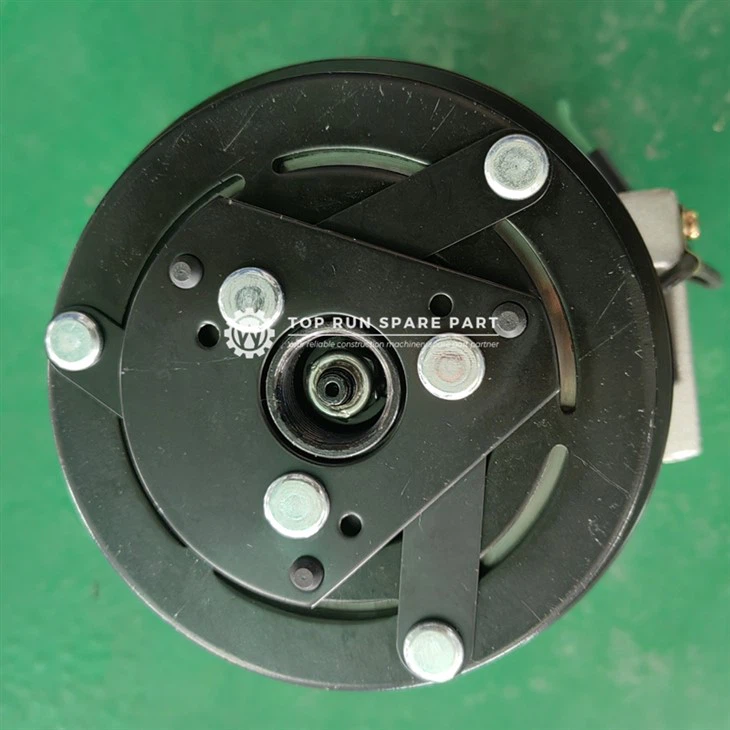
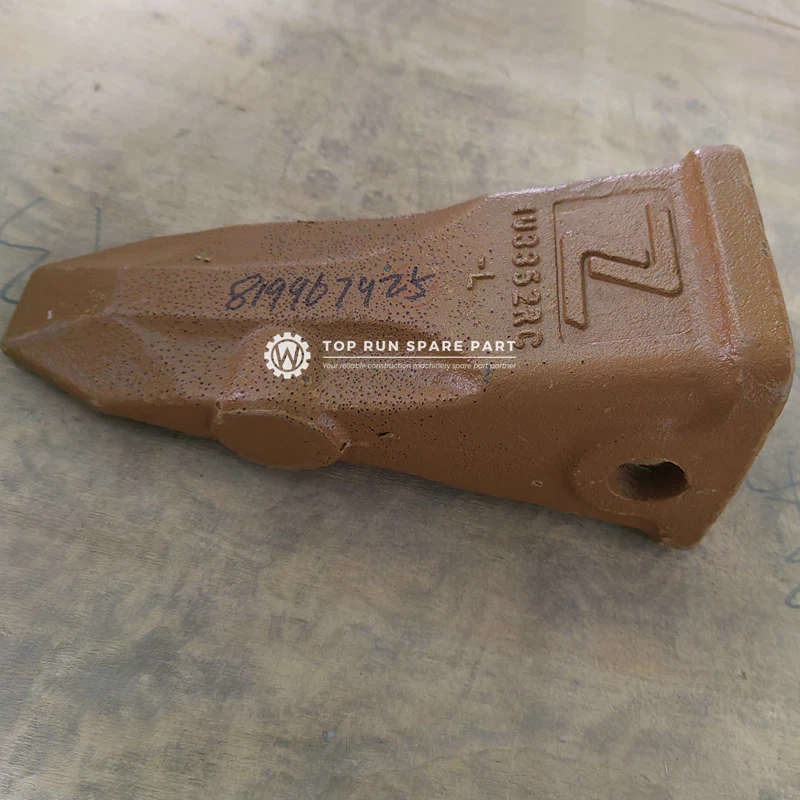
We also offer a wide range of filters for different types of excavators, including those with Excavator Compressor systems and those with Excavator Teeth. Whether you need an engine air filter, an oil filter, or a hydraulic filter, we've got you covered.
Contact Us for Your Filter Needs
If you're looking for high - quality excavator filters or have any questions about measuring pressure drop or filter maintenance, don't hesitate to reach out to us. We're here to help you keep your excavator in top shape. Whether you're a small contractor or a large construction company, we can provide you with the right filters at the right price. So, if you're in the market for new filters or just want some expert advice, give us a shout.
References
- Manufacturer's manuals for excavator filters and equipment.
- Industry standards and best practices for filter maintenance and pressure drop measurement.
Categories
QR Code


