What is the maximum pressure a Crane Compressor can reach?
 Language
 Français
 Español
 Árabe
Árabe
 Deutsch
 简体中文
简体中文
 Português
 Русский
 日本語
日本語
 한국어
한국어
 हिंदी
हिंदी
 Prancis
 Türkçe
 Tiếng Việt
 Italiano
 ไทย
ไทย

-
Tel
+86 15275228746
-
WhatsApp/WeChat
8615275228746
Blog
Company intro
10000m 2+ Cover Area QINGDAO TOP RUN INTERNATIONAL TRADE CO., LTD Qingdao Top Run International Trade Co., Ltd. has been a professional and leading supplier of construction machinery spare parts in China for over 15 years. With extensive experience and expertise, we have established strong partnerships with top manufacturers to offer a wide range of genuine and OEM parts for brands such as XCMG, SANY, ZOOMLION, SHANTUI, LIUGONG, and more. 80+ Employees View more Looking for properate products? Contact us
Send Message
What is the maximum pressure a Crane Compressor can reach?
Jul 30, 2025
View: 182
As a supplier of Crane Compressors, I often encounter inquiries from customers regarding the maximum pressure these compressors can reach. Understanding the maximum pressure capabilities of a Crane Compressor is crucial for various industrial applications, as it directly impacts the efficiency and effectiveness of the equipment. In this blog post, I will delve into the factors that determine the maximum pressure of a Crane Compressor, explore the different types of compressors and their pressure limits, and provide real - world examples to illustrate these concepts.
Factors Determining the Maximum Pressure of a Crane Compressor
Several factors play a role in determining the maximum pressure a Crane Compressor can achieve. One of the primary factors is the design and construction of the compressor itself. The materials used in the compressor's components, such as the cylinders, pistons, and valves, must be able to withstand high pressures without deformation or failure. For instance, high - strength alloys are often used in the construction of cylinders to ensure they can handle the stress exerted during the compression process.
The type of compression mechanism also affects the maximum pressure. There are two main types of compression mechanisms in Crane Compressors: reciprocating and rotary. Reciprocating compressors use pistons that move back and forth within cylinders to compress the gas. These compressors can typically achieve higher pressures compared to rotary compressors. The number of compression stages also influences the maximum pressure. Multi - stage compressors are designed to compress the gas in multiple steps, allowing for higher final pressures. Each stage increases the pressure of the gas, and by using multiple stages, the compressor can reach pressures that would be difficult to achieve with a single - stage compressor.
Another important factor is the size and capacity of the compressor. Larger compressors with more powerful motors can generally generate higher pressures. The motor's power determines the amount of force that can be applied during the compression process. Additionally, the volumetric flow rate of the compressor, which is the amount of gas it can compress per unit of time, also affects the maximum pressure. A compressor with a higher volumetric flow rate may be able to reach higher pressures more quickly.
Types of Crane Compressors and Their Pressure Limits
Reciprocating Compressors
Reciprocating compressors are known for their ability to achieve high pressures. Single - stage reciprocating compressors can typically reach pressures of up to 100 - 150 psi (pounds per square inch). However, multi - stage reciprocating compressors can achieve much higher pressures. For example, a two - stage reciprocating compressor can reach pressures of up to 300 - 500 psi, and three - stage or four - stage compressors can reach pressures well over 1000 psi. These high - pressure reciprocating compressors are commonly used in applications such as natural gas processing, petrochemical plants, and industrial gas storage.
Rotary Compressors
Rotary compressors, on the other hand, are generally better suited for lower - pressure applications. These compressors use rotating components, such as screws or vanes, to compress the gas. Single - stage rotary screw compressors can typically reach pressures of up to 100 - 125 psi. Rotary vane compressors usually have similar pressure limits. However, some advanced multi - stage rotary compressors can reach pressures of up to 200 - 300 psi. Rotary compressors are often used in applications where a continuous supply of compressed air is required, such as in pneumatic tools and HVAC systems.
Real - World Examples
In the oil and gas industry, Crane Compressors are used for various applications, including gas gathering, transmission, and storage. High - pressure reciprocating compressors are used to compress natural gas for transportation through pipelines. These compressors can reach pressures of up to 3000 psi or more, depending on the specific requirements of the pipeline system. For example, in a large - scale gas transmission project, multi - stage reciprocating compressors are used to boost the pressure of the natural gas to ensure it can flow through long - distance pipelines efficiently.
In manufacturing plants, rotary compressors are commonly used to power pneumatic tools. These tools require a continuous supply of compressed air at relatively low pressures. A typical rotary compressor used in such applications can provide compressed air at pressures of around 90 - 120 psi, which is sufficient for most pneumatic tools, such as drills, wrenches, and spray guns.
Importance of Choosing the Right Compressor Based on Pressure Requirements
Selecting the right Crane Compressor based on the application's pressure requirements is essential. If the compressor's maximum pressure is too low for the application, it will not be able to perform the required tasks effectively. For example, if a compressor is used to power a high - pressure hydraulic system and its maximum pressure is below the system's requirements, the hydraulic system may not function properly, leading to reduced productivity and potential equipment damage.
On the other hand, choosing a compressor with a much higher maximum pressure than necessary can be wasteful. High - pressure compressors are often more expensive to purchase and operate. They also require more maintenance and can consume more energy. Therefore, it is crucial to accurately assess the pressure requirements of the application and choose a compressor that can meet those requirements efficiently.
Related Spare Parts
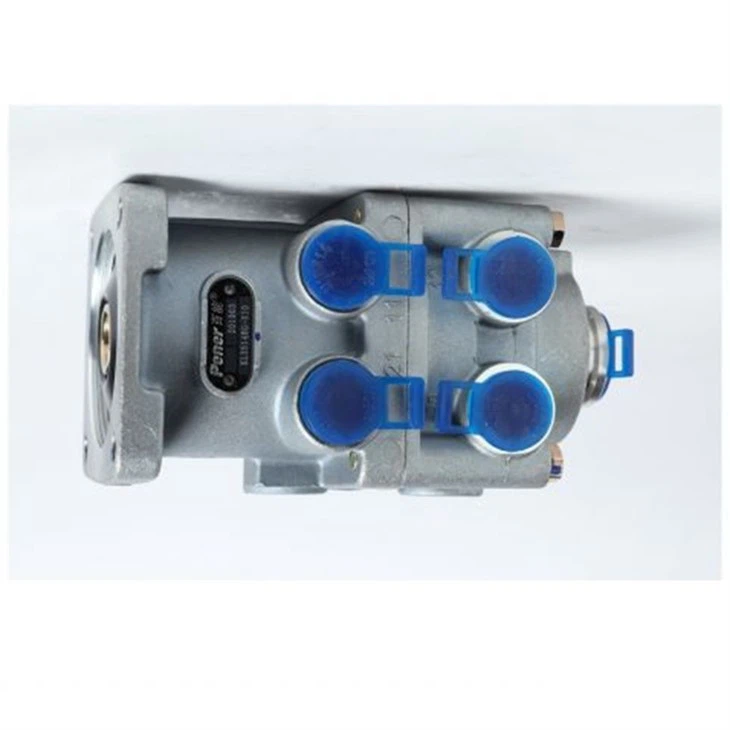
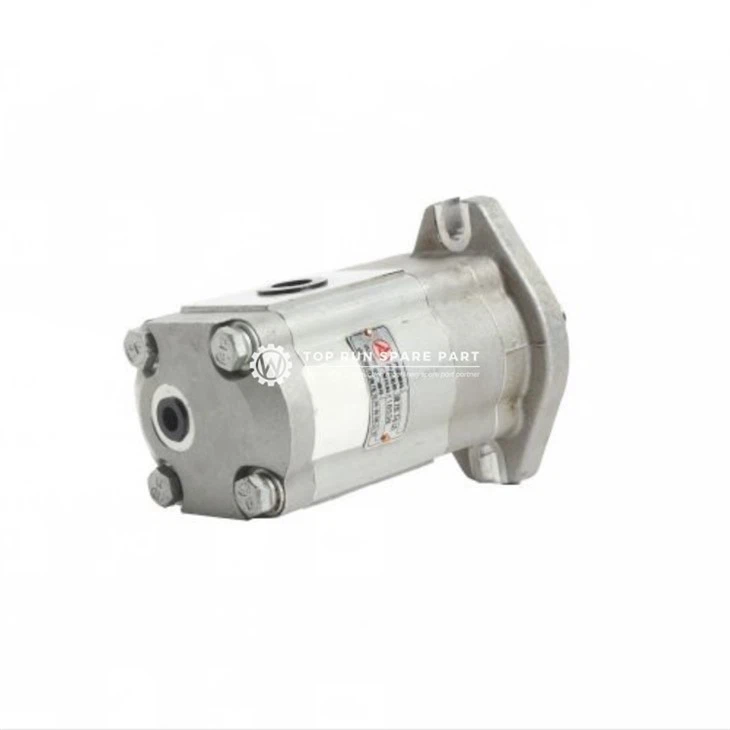
When dealing with Crane Compressors, it is also important to consider the availability of spare parts. For example, the Pilot Valve 60034448 is a crucial component in many compressors. This valve helps control the flow and pressure of the compressed gas, ensuring the compressor operates smoothly. Another important spare part is the 60185393 Gear Motor, which provides the power for the compression process. If this motor fails, the compressor will not be able to function. The Triple Gear Pump is also an important part, especially in multi - stage compressors, as it helps transfer the compressed gas between stages.
Conclusion
In conclusion, the maximum pressure a Crane Compressor can reach depends on several factors, including the design, compression mechanism, size, and capacity of the compressor. Reciprocating compressors are generally capable of reaching higher pressures compared to rotary compressors, and multi - stage compressors can achieve even higher pressures. It is crucial to choose the right compressor based on the application's pressure requirements to ensure efficient and effective operation.
If you are in need of a Crane Compressor for your industrial application or are looking for high - quality spare parts, we are here to assist you. Our team of experts can help you select the right compressor and provide you with all the necessary information and support. Whether you need a high - pressure reciprocating compressor for a large - scale project or a low - pressure rotary compressor for a small - scale manufacturing application, we have the solution for you. Contact us to start a procurement discussion and find the best Crane Compressor for your needs.
References
- Compressor Handbook, by Klaus Brun and Eckard W. Maucher
- Industrial Compressed Air Systems: Design, Operation, and Maintenance, by Jack P. Holman
Categories
QR Code


