What is the replacement process for a single wheel loader tooth?
 Language
 Français
 Español
 Árabe
Árabe
 Deutsch
 简体中文
简体中文
 Português
 Русский
 日本語
日本語
 한국어
한국어
 हिंदी
हिंदी
 Prancis
 Türkçe
 Tiếng Việt
 Italiano
 ไทย
ไทย

-
Tel
+86 15275228746
-
WhatsApp/WeChat
8615275228746
Blog
Company intro
10000m 2+ Cover Area QINGDAO TOP RUN INTERNATIONAL TRADE CO., LTD Qingdao Top Run International Trade Co., Ltd. has been a professional and leading supplier of construction machinery spare parts in China for over 15 years. With extensive experience and expertise, we have established strong partnerships with top manufacturers to offer a wide range of genuine and OEM parts for brands such as XCMG, SANY, ZOOMLION, SHANTUI, LIUGONG, and more. 80+ Employees View more Looking for properate products? Contact us
Send Message
What is the replacement process for a single wheel loader tooth?
Jun 9, 2025
View: 235
As a trusted supplier of Wheel Loader Teeth, I understand the importance of a well - maintained wheel loader for efficient construction and earth - moving operations. One of the key components that often requires replacement is the single wheel loader tooth. In this blog, I will guide you through the replacement process of a single wheel loader tooth, ensuring that you can carry out this task smoothly and effectively.
Pre - replacement Preparation
Before starting the replacement process, it is crucial to prioritize safety. First, park the wheel loader on a flat and stable surface. Engage the parking brake to prevent any accidental movement of the machine. Make sure the engine is turned off, and if possible, disconnect the battery to avoid any electrical hazards.
Inspect the entire wheel loader, especially the area around the tooth that needs to be replaced. Look for any signs of damage, wear, or loose connections on the adapter, the tooth holder, and other adjacent parts. This inspection can help you identify if there are any underlying issues that need to be addressed simultaneously.
Gather all the necessary tools for the replacement. These typically include a suitable wrench, a hammer, a pry bar, and a new wheel loader tooth that is compatible with your machine's make and model. As a Wheel Loader Teeth supplier, I can provide you with a wide range of high - quality teeth that are designed to fit different wheel loaders.
Removing the Old Tooth
The first step in the replacement process is to remove the old wheel loader tooth. Most wheel loader teeth are attached to an adapter using a locking pin or a retaining system. Start by locating the locking pin. In some cases, the pin may be secured with a cotter pin or a similar fastener. Use the appropriate tool to remove the cotter pin if present.
Once the cotter pin is removed, drive out the locking pin using a hammer and a punch. Be careful not to damage the pin or the adapter during this process. After the locking pin is removed, the old tooth can usually be pried loose from the adapter. Insert a pry bar between the tooth and the adapter and gently apply pressure to separate them.
If the tooth is stubbornly stuck due to dirt, debris, or rust, you may need to use a little more force. However, be cautious not to damage the adapter or the tooth holder. In some instances, applying a penetrating oil to the contact area between the tooth and the adapter can help loosen the bond. Let the oil soak in for a few minutes before attempting to remove the tooth again.
Inspecting the Adapter and Tooth Holder
After removing the old tooth, thoroughly inspect the adapter and the tooth holder. Check for any signs of excessive wear, cracks, or deformation. The adapter is a critical component as it provides the interface between the tooth and the wheel loader. If the adapter is worn beyond the recommended limits, it may need to be replaced as well.
Measure the dimensions of the adapter and compare them with the specifications provided by the wheel loader manufacturer. This can help you determine if the adapter is still in good condition. Also, examine the tooth holder for any damage. A damaged tooth holder can affect the proper installation and performance of the new tooth.
Installing the New Tooth
Once the adapter and tooth holder have been inspected and deemed suitable for use, it's time to install the new wheel loader tooth. First, clean the contact surfaces of the adapter and the new tooth. Remove any dirt, rust, or debris to ensure a proper fit.
Align the new tooth with the adapter carefully. Make sure that the tooth is correctly oriented and that all the holes and grooves on the tooth match those on the adapter. Gently slide the new tooth onto the adapter until it is fully seated.
Insert the locking pin through the holes in the tooth and the adapter. If there is a cotter pin, install it to secure the locking pin in place. Use a hammer to tap the locking pin into position gently, ensuring that it is fully inserted and that there is no play between the tooth and the adapter.
After the tooth is installed, give it a firm tug to check if it is securely attached. If the tooth feels loose, double - check the locking pin and the installation process. Make sure that the tooth is properly aligned and that all connections are tight.
Post - installation Checks
After the new tooth is installed, perform a series of post - installation checks. First, visually inspect the installation to ensure that the tooth is correctly seated and that there are no visible gaps or misalignments. Check the locking pin and the cotter pin to make sure they are in place and secure.
Operate the wheel loader in a safe and controlled environment for a short period. Observe the performance of the new tooth. Listen for any unusual noises, such as rattling or grinding, which could indicate a problem with the installation. Check the tooth's movement and its interaction with the material being loaded.
During this test operation, pay attention to how the wheel loader handles. If the new tooth is not installed correctly, it can affect the machine's balance and performance. If you notice any issues, stop the machine immediately and re - check the installation.
Maintaining the New Tooth
To ensure the longevity and optimal performance of the new wheel loader tooth, regular maintenance is essential. After each use, clean the tooth and the adapter to remove any dirt, debris, or material that may have accumulated. This can prevent premature wear and corrosion.
Periodically inspect the tooth and the adapter for signs of wear. Replace the tooth as soon as it reaches the end of its service life. As a Wheel Loader Teeth supplier, I can offer you advice on the recommended replacement intervals based on your machine's usage and the type of work it performs.
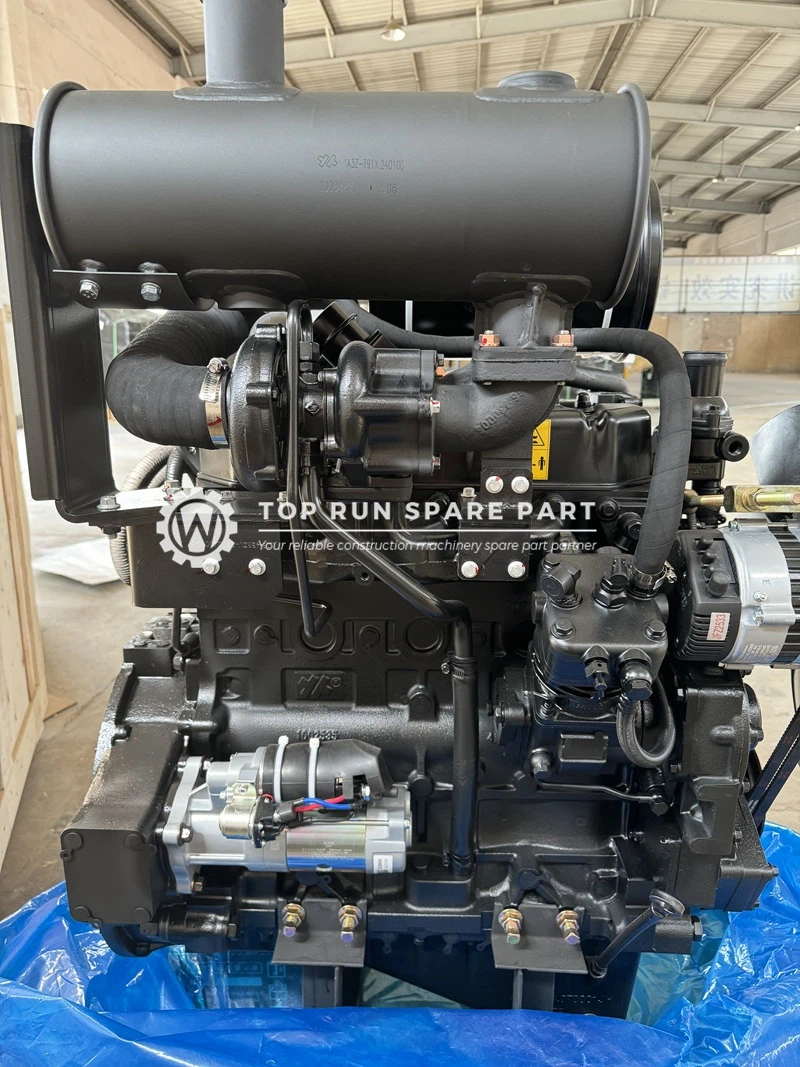
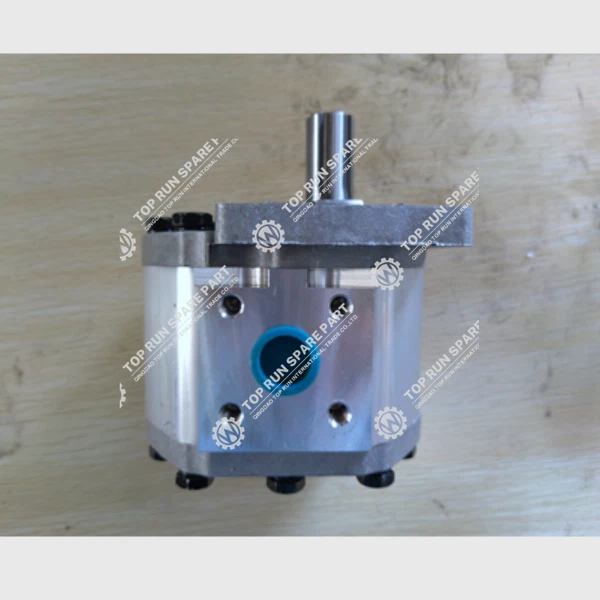
In addition to tooth maintenance, also pay attention to the overall condition of the wheel loader. Regularly service the Wheel Loader Diesel Engine, check the Gear Pump CBN - E32 803004032, and inspect the Transmission Assembly Or Gearbox 800357721 Yd13004137. A well - maintained wheel loader can enhance the performance and lifespan of the wheel loader teeth.
Conclusion
Replacing a single wheel loader tooth is a relatively straightforward process if you follow the correct steps. By prioritizing safety, conducting thorough inspections, using the right tools, and performing proper post - installation checks, you can ensure a successful tooth replacement.
As a reliable Wheel Loader Teeth supplier, I am committed to providing you with the best products and services. If you have any questions about wheel loader teeth, their replacement process, or if you are interested in purchasing high - quality teeth for your wheel loader, please feel free to contact me for more information and to start a procurement negotiation.
References
Manufacturer's manual for the wheel loader
Industry standards for wheel loader maintenance and repair
Categories
QR Code


