What is the shipping method for an excavator compressor?
 Language
 Français
 Español
 Árabe
Árabe
 Deutsch
 简体中文
简体中文
 Português
 Русский
 日本語
日本語
 한국어
한국어
 हिंदी
हिंदी
 Prancis
 Türkçe
 Tiếng Việt
 Italiano
 ไทย
ไทย

-
Tel
+86 15275228746
-
WhatsApp/WeChat
8615275228746
Blog
Company intro
10000m 2+ Cover Area QINGDAO TOP RUN INTERNATIONAL TRADE CO., LTD Qingdao Top Run International Trade Co., Ltd. has been a professional and leading supplier of construction machinery spare parts in China for over 15 years. With extensive experience and expertise, we have established strong partnerships with top manufacturers to offer a wide range of genuine and OEM parts for brands such as XCMG, SANY, ZOOMLION, SHANTUI, LIUGONG, and more. 80+ Employees View more Looking for properate products? Contact us
Send Message
What is the shipping method for an excavator compressor?
Jun 26, 2025
View: 240
Hey there! As an excavator compressor supplier, I often get asked about the shipping methods for these hefty pieces of equipment. So, I thought I'd put together this blog post to shed some light on the subject.
First off, let's talk about why choosing the right shipping method for an excavator compressor is crucial. Excavator compressors are large, heavy, and often quite expensive. They need to be transported safely and efficiently to avoid any damage or delays. Plus, the shipping cost can be a significant part of the overall expense, so it's important to find a cost - effective option.
Sea Freight
One of the most common shipping methods for excavator compressors is sea freight. This is a great choice if you're shipping the compressor over long distances, especially internationally. Sea freight is relatively inexpensive compared to other methods, making it a budget - friendly option for large and heavy items like excavator compressors.
There are two main types of sea freight: Full Container Load (FCL) and Less than Container Load (LCL). If you're shipping a large number of excavator compressors or other heavy equipment, FCL might be the way to go. With FCL, you rent an entire shipping container for your goods. This gives you more space and better protection for your compressors. You don't have to worry about your equipment getting damaged by other items in the container.
On the other hand, if you're only shipping one or a few excavator compressors, LCL could be more suitable. In LCL, your goods share a container with other shippers' items. This is a more cost - effective option when you don't have enough goods to fill a whole container. However, there is a slightly higher risk of damage since your compressor will be in close proximity to other items.
When shipping via sea freight, it's important to work with a reliable freight forwarder. They can handle all the paperwork, customs clearance, and logistics for you. They'll also make sure your excavator compressor is properly packed and secured for the long journey at sea.
Air Freight
Air freight is another option for shipping excavator compressors, but it's usually more expensive than sea freight. However, it has some significant advantages. The most obvious one is speed. If you need your compressor delivered quickly, air freight is the way to go. It can cut down the shipping time from weeks to just a few days.
Air freight is also more reliable in terms of delivery time. Unlike sea freight, which can be affected by weather conditions and port congestion, air freight is generally more punctual. This can be crucial if you're on a tight construction schedule and need the compressor up and running as soon as possible.
But there are some drawbacks to air freight. The weight and size restrictions are much stricter compared to sea freight. You might need to pay extra fees if your excavator compressor exceeds the allowed dimensions or weight. Also, air freight is not as environmentally friendly as sea freight, as it consumes more fuel.
Road Freight
For domestic or regional shipping, road freight can be a convenient option. It's flexible and can deliver the excavator compressor directly to your desired location. You don't have to worry about transferring the equipment between different modes of transportation.
If you're shipping within a relatively short distance, road freight can be cost - effective. You can choose between different types of trucks depending on the size and weight of your compressor. For smaller compressors, a regular flatbed truck might be sufficient. But for larger and heavier ones, you might need a specialized heavy - haul truck.
However, road freight also has its limitations. It can be affected by traffic conditions, road closures, and weather. Also, long - distance road shipping can be time - consuming, especially if you're crossing multiple states or regions.
Rail Freight
Rail freight is another option that is often overlooked. It's a good middle - ground between sea and road freight. Rail freight is relatively inexpensive and can handle large and heavy items like excavator compressors. It's also more environmentally friendly than road and air freight.
One of the advantages of rail freight is that it can cover long distances quickly and efficiently. It's not as affected by traffic as road freight, and it can carry a large volume of goods at once. However, rail freight usually requires some additional transportation at the origin and destination points to get the compressor to and from the rail terminal.
Packaging and Preparation
No matter which shipping method you choose, proper packaging and preparation are essential. Excavator compressors need to be well - protected to prevent damage during transit. They should be wrapped in protective materials like bubble wrap or foam, and secured in a sturdy crate or container.
It's also important to label the package clearly with all the necessary information, such as the destination address, handling instructions, and any fragile or hazardous materials warnings. This will help ensure that your compressor is handled correctly throughout the shipping process.
Other Considerations
When choosing a shipping method, you also need to consider insurance. It's a good idea to insure your excavator compressor during transit to protect yourself against any potential losses or damages. Most shipping companies offer insurance options, but make sure you understand the terms and coverage before you purchase.
Another factor to consider is customs clearance, especially if you're shipping internationally. Different countries have different customs regulations, and it's important to comply with them to avoid any delays or fines. A good freight forwarder can help you navigate the customs process and ensure that all the necessary documents are in order.
As an excavator compressor supplier, I've seen firsthand how important it is to choose the right shipping method. Whether you're a construction company looking to purchase a new compressor or a distributor stocking up on inventory, I'm here to help you make the best decision.
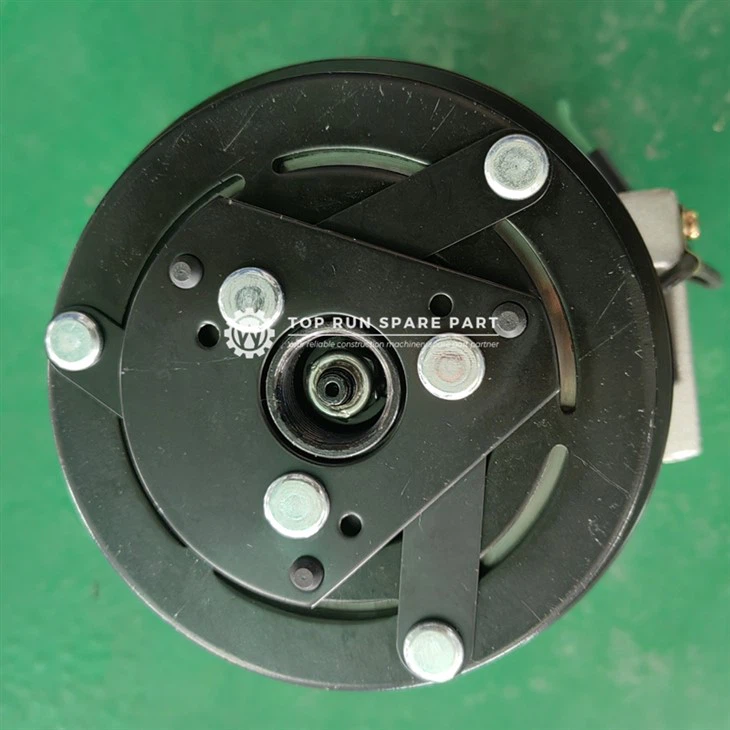
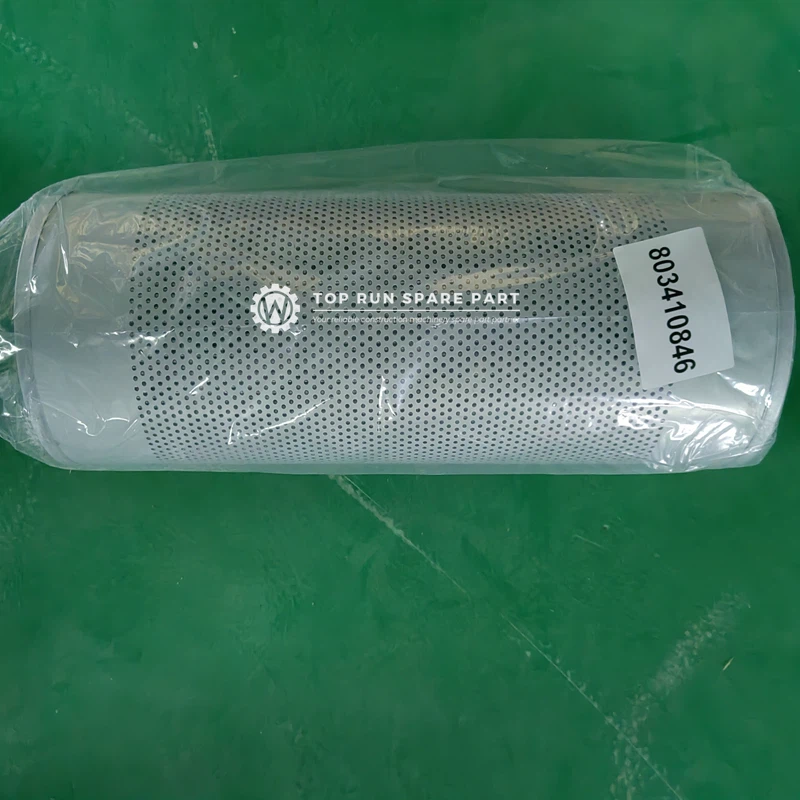
If you're interested in Excavator Compressor, we also offer a wide range of other excavator parts, such as Excavator Teeth and Excavator Filters.
If you have any questions about shipping or want to discuss your purchasing needs, feel free to reach out. I'm always happy to help you find the best shipping solution for your excavator compressor and other parts.
References
International Chamber of Shipping. (2023). Guide to Shipping Heavy Equipment.
Federal Aviation Administration. (2023). Air Cargo Regulations.
Department of Transportation. (2023). Road and Rail Freight Guidelines.
Categories
QR Code


