What modifications are needed if using wheel loader teeth for snow removal?
 Language
 Français
 Español
 Árabe
Árabe
 Deutsch
 简体中文
简体中文
 Português
 Русский
 日本語
日本語
 한국어
한국어
 हिंदी
हिंदी
 Prancis
 Türkçe
 Tiếng Việt
 Italiano
 ไทย
ไทย

-
Tel
+86 15275228746
-
WhatsApp/WeChat
8615275228746
Blog
Company intro
10000m 2+ Cover Area QINGDAO TOP RUN INTERNATIONAL TRADE CO., LTD Qingdao Top Run International Trade Co., Ltd. has been a professional and leading supplier of construction machinery spare parts in China for over 15 years. With extensive experience and expertise, we have established strong partnerships with top manufacturers to offer a wide range of genuine and OEM parts for brands such as XCMG, SANY, ZOOMLION, SHANTUI, LIUGONG, and more. 80+ Employees View more Looking for properate products? Contact us
Send Message
What modifications are needed if using wheel loader teeth for snow removal?
Jun 17, 2025
View: 184
Hey there! I'm a supplier of wheel loader teeth, and today I wanna chat about what modifications are needed if you're using wheel loader teeth for snow removal.
First off, let's understand the basic differences between the regular use of wheel loader teeth and using them for snow removal. Wheel loader teeth are typically designed for heavy - duty tasks like digging in soil, gravel, or loading rocks. Snow, on the other hand, is a soft, light, and slippery material. So, the teeth that work great for tough terrains may not be the best fit right out of the box for snow removal.
Tooth Design Modifications
The shape of the wheel loader teeth is crucial. Regular teeth are often sharp and pointed to penetrate hard materials. For snow removal, though, a broader and flatter tooth design can be more effective. A wider tooth distributes the force over a larger area, allowing the loader to push more snow at once. It also reduces the likelihood of the teeth digging too deep into the ground, which could damage the surface below the snow.
Another aspect is the spacing between the teeth. In regular applications, teeth are spaced to efficiently break up and grab materials. For snow, a wider spacing can prevent snow from clogging between the teeth. When snow gets stuck between the teeth, it increases the weight and resistance, making the loader work harder and less efficiently. So, adjusting the tooth spacing can lead to smoother snow - pushing operations.
Material Considerations
The material of the wheel loader teeth also needs some thought. Regular teeth are usually made of high - strength steel to withstand the abrasion and impact of heavy - duty work. However, for snow removal, corrosion resistance becomes a key factor. Snow often contains moisture, and if the teeth aren't corrosion - resistant, they can rust quickly, which shortens their lifespan.
Some suppliers offer teeth with special coatings or made from corrosion - resistant alloys. These materials can withstand the wet environment of snow removal without deteriorating as fast as regular steel teeth. This not only saves you money on replacing teeth but also ensures that the loader maintains its performance over time.
Attachment and Compatibility
When using wheel loader teeth for snow removal, the attachment mechanism also matters. You need to make sure that the teeth can be easily attached and detached. Snow removal is often a seasonal task, and you may want to switch back to regular teeth for other jobs after the snow is gone.
Some modern wheel loaders come with quick - attach systems for the teeth. These systems allow for fast and simple changes, reducing downtime. If your loader doesn't have a quick - attach system, you might need to invest in an adapter or retrofit the loader to make the tooth change easier.
Also, consider the compatibility of the teeth with other parts of the loader. For example, the Wheel Loader Right Boom Cylinder needs to be able to handle the forces exerted during snow removal. If the teeth are too heavy or the snow - pushing operation places excessive stress on the boom cylinder, it could lead to premature wear or even failure.
Additional Equipment and Accessories
To enhance the snow - removal capabilities of wheel loader teeth, you can add some accessories. One useful addition is a snow deflector. A snow deflector is a plate attached to the front of the loader bucket with teeth. It helps to direct the snow in a specific direction, preventing it from flying back onto the loader or the area that has already been cleared.
Another option is to install a heating system for the teeth. In extremely cold conditions, snow can freeze to the teeth, making it difficult to push. A heating system can keep the teeth warm, preventing snow from sticking and improving the overall efficiency of the snow - removal process.
Transmission and Engine Considerations
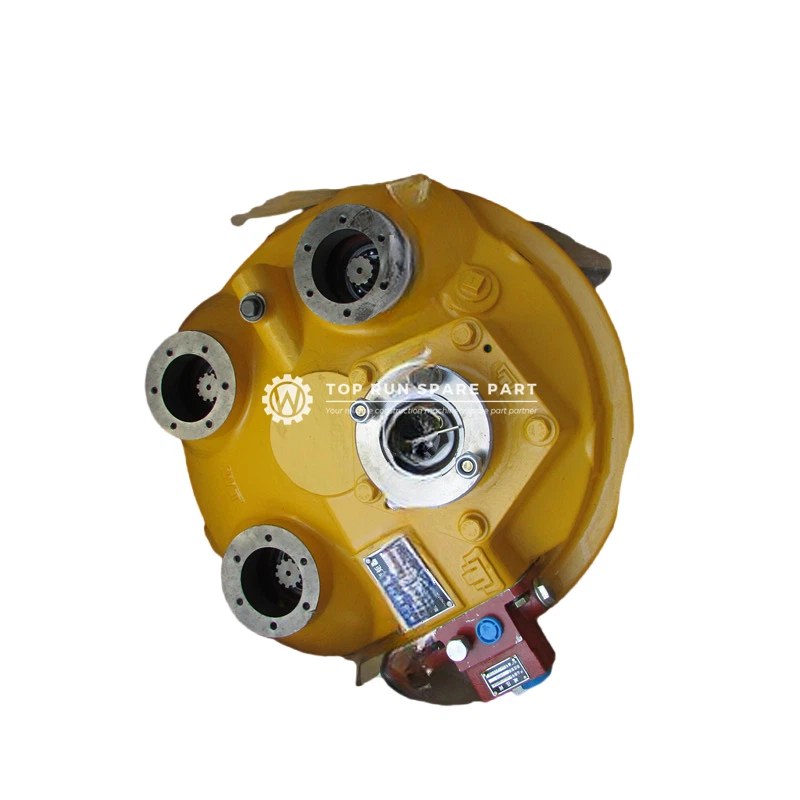
Snow removal can put different demands on the loader's transmission and engine compared to regular tasks. The Transmission Accessories Torque Converter needs to be adjusted to handle the continuous pushing motion required for snow removal. Snow pushing often involves slow - speed, high - torque operations.
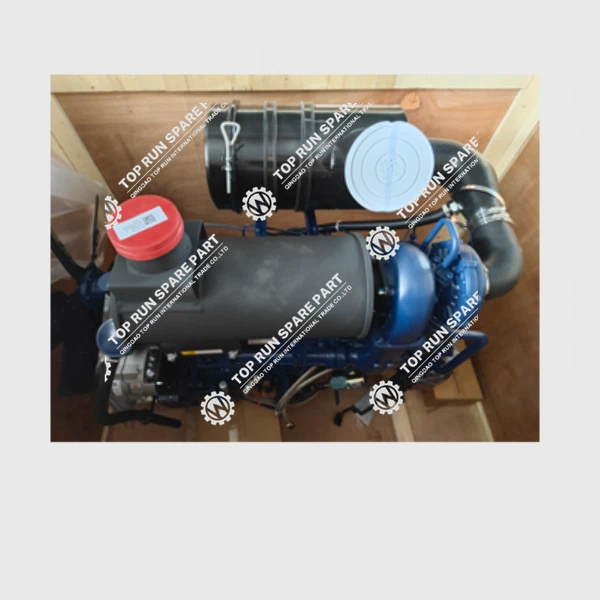
The engine also needs to be in good condition. The Engine WP6G125E22 800105104 should be able to provide enough power to move the snow - filled bucket. If the engine is underpowered, the loader will struggle, and the snow - removal process will be inefficient. It's a good idea to have the engine and transmission serviced and optimized before the snow - removal season.
Safety Considerations
Safety is always a top priority when using wheel loader teeth for snow removal. The visibility of the operator can be affected by the snow and the attachment of the teeth. Make sure that the teeth don't block the operator's view. You might need to adjust the height or position of the teeth slightly to ensure that the operator has a clear line of sight.
Also, the loader should be equipped with proper lighting for snow - removal operations, especially if you're working at night or in low - light conditions. Good lighting helps the operator see the area to be cleared and any potential hazards.
Cost - Benefit Analysis
Making modifications to use wheel loader teeth for snow removal comes with costs. You need to consider the cost of modifying the teeth, adding accessories, and servicing the loader. However, if you calculate the benefits, it can be well worth it.
Snow removal is often a time - sensitive job. By making the right modifications, you can increase the efficiency of the loader, allowing you to clear more snow in less time. This can lead to more contracts and higher profits if you're in the snow - removal business. And if you're using the loader for personal or municipal snow removal, it can save time and effort.
Conclusion
In conclusion, using wheel loader teeth for snow removal requires several modifications. From tooth design and material to attachment mechanisms, accessories, and even the loader's transmission and engine, every aspect needs to be considered. These modifications can significantly improve the performance of the loader during snow - removal operations.
If you're interested in getting the right wheel loader teeth for snow removal or need advice on the necessary modifications, feel free to reach out. We're here to help you make the most of your wheel loader for snow - removal tasks.
References
"Construction Equipment Handbook" - A comprehensive guide on the operation and modification of construction equipment.
Industry research papers on snow - removal techniques using wheel loaders.
Categories
QR Code


