What training is needed to operate a Crane Controller?
 Language
 Français
 Español
 Árabe
Árabe
 Deutsch
 简体中文
简体中文
 Português
 Русский
 日本語
日本語
 한국어
한국어
 हिंदी
हिंदी
 Prancis
 Türkçe
 Tiếng Việt
 Italiano
 ไทย
ไทย

-
Tel
+86 15275228746
-
WhatsApp/WeChat
8615275228746
Blog
Company intro
10000m 2+ Cover Area QINGDAO TOP RUN INTERNATIONAL TRADE CO., LTD Qingdao Top Run International Trade Co., Ltd. has been a professional and leading supplier of construction machinery spare parts in China for over 15 years. With extensive experience and expertise, we have established strong partnerships with top manufacturers to offer a wide range of genuine and OEM parts for brands such as XCMG, SANY, ZOOMLION, SHANTUI, LIUGONG, and more. 80+ Employees View more Looking for properate products? Contact us
Send Message
What training is needed to operate a Crane Controller?
Jun 20, 2025
View: 180
Operating a crane controller demands a comprehensive set of skills and knowledge to ensure both safety and efficiency. As a reputable crane controller supplier, we understand the intricacies involved in the operation of these vital pieces of equipment. In this blog, we'll delve into the training requirements necessary for individuals to operate a crane controller effectively.
Understanding the Basics of Crane Controllers
Before delving into the specific training needs, it's essential to grasp what a crane controller is and its function. A crane controller is the nerve center of a crane, responsible for managing and regulating its movements. It allows operators to control the crane's lifting, lowering, swinging, and traveling functions with precision.
Crane controllers come in various types, including manual, semi - automatic, and fully automatic. Manual controllers require direct operator input for every movement, while semi - automatic controllers can perform some pre - programmed tasks with operator supervision. Fully automatic controllers can operate independently based on pre - set parameters.
Theoretical Training
1. Crane Mechanics and Physics
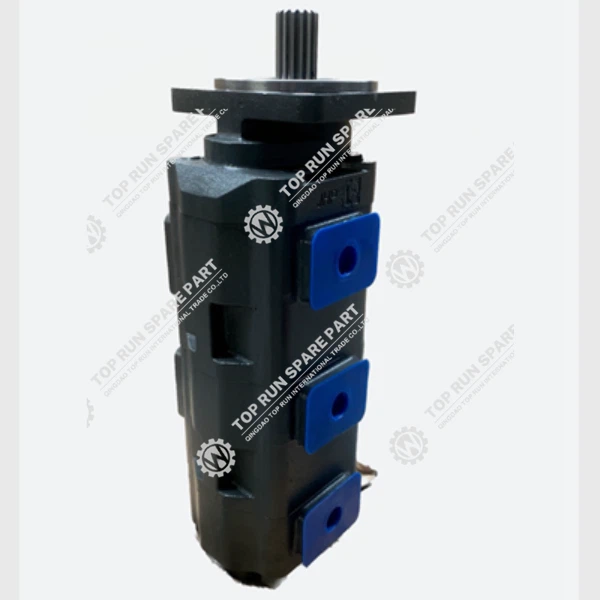
Operators need to have a solid understanding of the mechanical components of a crane. This includes knowledge of the hoist, boom, jib, and the various hydraulic and electrical systems. For example, understanding how the Hydraulic Gear Pump 60004298 works is crucial as it is responsible for providing the necessary hydraulic power for the crane's movements.
Physics plays a significant role in crane operation. Operators must understand concepts such as load capacity, center of gravity, and the effects of wind on the crane. Incorrectly calculating the load capacity can lead to overloading, which is extremely dangerous. Theoretical training in these areas can be provided through classroom lectures, textbooks, and online courses.
2. Safety Regulations
Safety is of utmost importance in crane operation. Operators must be well - versed in local, national, and international safety regulations. This includes understanding the Occupational Safety and Health Administration (OSHA) standards in the United States or similar regulations in other countries.
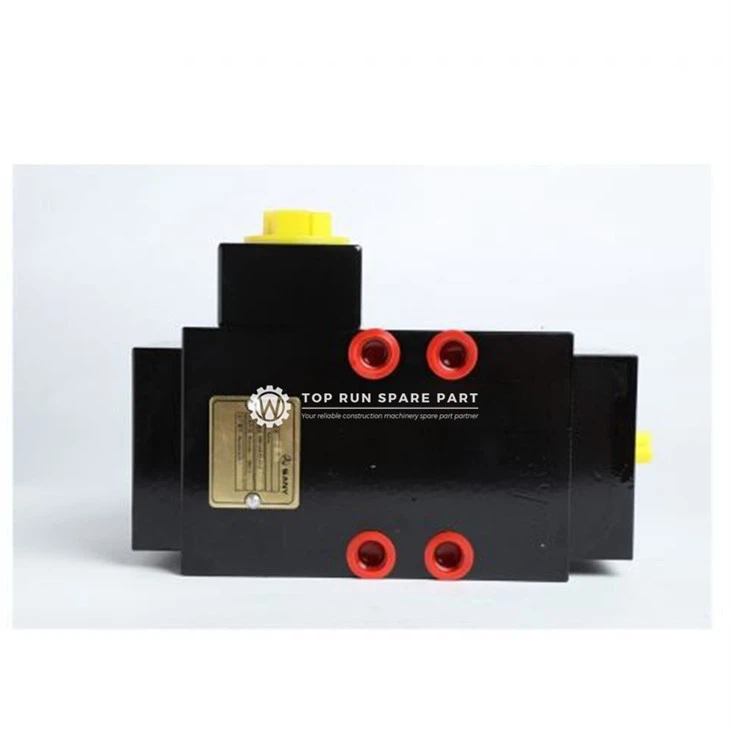
The training should cover topics such as personal protective equipment (PPE), pre - operation inspections, and emergency procedures. For instance, operators should know the proper use of PPE like hard hats, safety glasses, and safety harnesses. They should also be trained to conduct thorough pre - operation inspections of the crane, including checking the Balance Valve 60066198 for any signs of damage or malfunction.
3. Controller System Familiarization
Operators need to learn about the specific crane controller system they will be using. This includes understanding the control panel layout, the functions of each button and lever, and how to interpret the display readings. Different crane controllers may have unique features and interfaces, so in - depth training on the particular model is essential.
Practical Training
1. Simulator Training
Simulator training is an effective way to introduce operators to crane control in a safe and controlled environment. Simulators can replicate various crane operating scenarios, such as lifting different loads, working in different weather conditions, and operating in confined spaces.
During simulator training, operators can practice basic crane movements, load handling, and emergency response procedures without the risk of real - world accidents. They can also receive immediate feedback on their performance, allowing them to correct any mistakes and improve their skills quickly.
2. On - the - Job Training
On - the - job training is an integral part of becoming a proficient crane controller operator. Under the supervision of an experienced operator, trainees can gain hands - on experience in operating a real crane.
This training includes learning how to perform pre - operation checks, set up the crane at the worksite, and handle different types of loads. Trainees will also learn how to use the Length Sensor CJ - 50M M 61028226 P 105292 to accurately measure the length of the boom or jib. On - the - job training allows trainees to apply the theoretical knowledge they have learned in a practical setting and develop the necessary muscle memory for smooth and precise crane operation.
Continuing Education
The field of crane technology is constantly evolving, with new features and safety systems being introduced regularly. Therefore, operators need to engage in continuing education to stay updated with the latest industry trends and best practices.
This can include attending workshops, seminars, and refresher courses. Continuing education also helps operators maintain their skills and knowledge over time, reducing the risk of accidents caused by outdated practices.
Certification
In many regions, crane controller operators are required to obtain certification to legally operate a crane. Certification programs typically involve a combination of written exams and practical assessments.
The written exam tests the operator's knowledge of crane mechanics, safety regulations, and controller system operation. The practical assessment evaluates the operator's ability to operate the crane safely and efficiently in real - world scenarios. Obtaining certification not only ensures compliance with regulations but also demonstrates the operator's competence to potential employers.
Importance of Quality Training
Investing in quality training for crane controller operators is crucial for several reasons. Firstly, it enhances safety on the worksite. Well - trained operators are less likely to make mistakes that could lead to accidents, protecting both themselves and other workers.
Secondly, quality training improves efficiency. Skilled operators can complete tasks more quickly and accurately, reducing downtime and increasing productivity. Finally, it helps to build a positive reputation for the company. Clients are more likely to trust a company that employs certified and well - trained crane operators.
Conclusion
Operating a crane controller requires a combination of theoretical knowledge, practical skills, and ongoing education. As a crane controller supplier, we are committed to supporting our customers by providing information and resources related to operator training.
If you are in the market for a crane controller or need more information about training requirements, we encourage you to contact us for a detailed discussion. Our team of experts is ready to assist you in finding the right crane controller for your needs and can provide guidance on ensuring your operators are properly trained.
References
OSHA. (Year). Crane Safety Standards. Retrieved from [OSHA official website].
Crane Manufacturers Association of America. (Year). Crane Operation Manual.
Textbooks on Crane Mechanics and Physics.
Categories
QR Code


