Can wheel loader teeth be used in extreme temperatures?
 Language
 Français
 Español
 Árabe
Árabe
 Deutsch
 简体中文
简体中文
 Português
 Русский
 日本語
日本語
 한국어
한국어
 हिंदी
हिंदी
 Prancis
 Türkçe
 Tiếng Việt
 Italiano
 ไทย
ไทย

-
Tel
+86 15275228746
-
WhatsApp/WeChat
8615275228746
Blog
Company intro
10000m 2+ Cover Area QINGDAO TOP RUN INTERNATIONAL TRADE CO., LTD Qingdao Top Run International Trade Co., Ltd. has been a professional and leading supplier of construction machinery spare parts in China for over 15 years. With extensive experience and expertise, we have established strong partnerships with top manufacturers to offer a wide range of genuine and OEM parts for brands such as XCMG, SANY, ZOOMLION, SHANTUI, LIUGONG, and more. 80+ Employees View more Looking for properate products? Contact us
Send Message
Can wheel loader teeth be used in extreme temperatures?
May 29, 2025
View: 165
Can wheel loader teeth be used in extreme temperatures? This is a question that many customers in the construction and mining industries often ask. As a dedicated supplier of Wheel Loader Teeth, I have encountered this query numerous times, and in this blog, I aim to provide a comprehensive answer based on scientific knowledge and practical experience.
Understanding Extreme Temperatures
Extreme temperatures can be divided into two main categories: extreme cold and extreme heat. Extreme cold typically refers to temperatures well below freezing, often found in polar regions, high - altitude areas, or during harsh winter months. On the other hand, extreme heat can be experienced in deserts, near industrial furnaces, or in tropical regions during heatwaves. Each of these temperature extremes poses unique challenges to the performance and durability of wheel loader teeth.
Effects of Extreme Cold on Wheel Loader Teeth
Material Brittleness
One of the primary concerns in cold temperatures is the change in the mechanical properties of the materials used to make wheel loader teeth. Most wheel loader teeth are made of high - strength steels or alloys. At low temperatures, these materials can become more brittle. The atoms in the metal lattice have less thermal energy, which reduces their ability to move and deform plastically. As a result, the teeth are more prone to cracking and fracturing under impact loads. For example, when a wheel loader is operating in a cold climate and the teeth strike a hard rock, the sudden impact can cause a crack to propagate more easily through the brittle material.
Lubrication Issues
Cold temperatures also affect the lubrication systems in the wheel loader. Lubricants thicken at low temperatures, which can lead to poor lubrication between the teeth and the adapter or other moving parts. This increased friction can cause excessive wear on the teeth and may even lead to seizing of the components. In addition, the cold can cause the seals in the loader to become less flexible, increasing the risk of leaks and further reducing the effectiveness of the lubrication system.
Hydraulic System Performance
The hydraulic system that powers the movement of the wheel loader's bucket and teeth can also be severely affected by cold temperatures. Hydraulic fluids thicken, which increases the viscosity and reduces the flow rate. This can result in slower operation of the loader, making it less efficient. The slower movement of the bucket may also affect the way the teeth interact with the material being loaded, potentially increasing the stress on the teeth.
Effects of Extreme Heat on Wheel Loader Teeth
Material Softening
In high - temperature environments, the opposite problem occurs compared to cold temperatures. The heat can cause the material of the wheel loader teeth to soften. As the temperature rises, the atoms in the metal gain more energy and can move more freely, which reduces the strength and hardness of the material. When the teeth are soft, they are more likely to deform under load. For instance, if a wheel loader is working in a desert environment and the teeth are constantly exposed to high - temperature sand and rocks, the teeth may start to bend or wear down more quickly.
Oxidation and Corrosion
Extreme heat often comes with high levels of humidity or exposure to corrosive substances in some industrial settings. This combination can accelerate the oxidation and corrosion of the wheel loader teeth. Oxidation forms a layer of rust on the surface of the teeth, which not only weakens the material but also increases the friction between the teeth and the material being loaded. Corrosion can also penetrate deeper into the material, creating pits and cavities that further reduce the structural integrity of the teeth.
Thermal Expansion
Another issue related to extreme heat is thermal expansion. The teeth and other components of the wheel loader expand as they heat up. If the expansion is not properly accounted for, it can cause misalignment between the teeth and the adapter or other parts of the bucket. This misalignment can lead to uneven wear on the teeth and may even cause the teeth to break off prematurely.
Solutions for Using Wheel Loader Teeth in Extreme Temperatures
Material Selection
To address the challenges of extreme temperatures, special materials can be used for wheel loader teeth. For cold - weather applications, low - temperature steels or alloys can be selected. These materials are designed to maintain their toughness and ductility at low temperatures. They have a fine - grained microstructure that helps to prevent crack propagation. For high - temperature environments, heat - resistant alloys can be used. These alloys typically contain elements such as chromium, nickel, and molybdenum, which increase the material's ability to withstand high temperatures without softening.
Lubrication Management
In cold temperatures, using low - temperature lubricants is essential. These lubricants are formulated to maintain their fluidity at low temperatures, ensuring proper lubrication between the teeth and other components. Regular maintenance of the lubrication system, including checking the fluid levels and changing the lubricant at recommended intervals, is also crucial. In hot temperatures, high - temperature lubricants should be used. These lubricants have a higher viscosity index, which means they can maintain their lubricating properties over a wider range of temperatures.
Temperature Monitoring and Protection
Installing temperature monitoring systems on the wheel loader can help operators to keep track of the temperature of the teeth and other critical components. If the temperature exceeds a certain threshold, the operator can take appropriate measures, such as reducing the load or allowing the machine to cool down. In addition, protective coatings can be applied to the teeth to reduce the effects of oxidation and corrosion in high - temperature environments.
Real - World Examples and Case Studies
There have been many real - world examples of wheel loader teeth being used in extreme temperatures. In the Arctic regions, where temperatures can drop to - 40°C or lower, wheel loaders are used for various construction and mining operations. Some companies have reported that by using specially designed low - temperature teeth and implementing proper maintenance procedures, they have been able to extend the service life of the teeth by up to 30%.
In desert regions such as the Middle East, where temperatures can reach over 50°C, wheel loaders are used in large - scale construction projects. Companies have found that using heat - resistant alloys and high - temperature lubricants has significantly reduced the wear and deformation of the teeth, improving the overall efficiency of the loading operations.
Other Related Wheel Loader Spare Parts
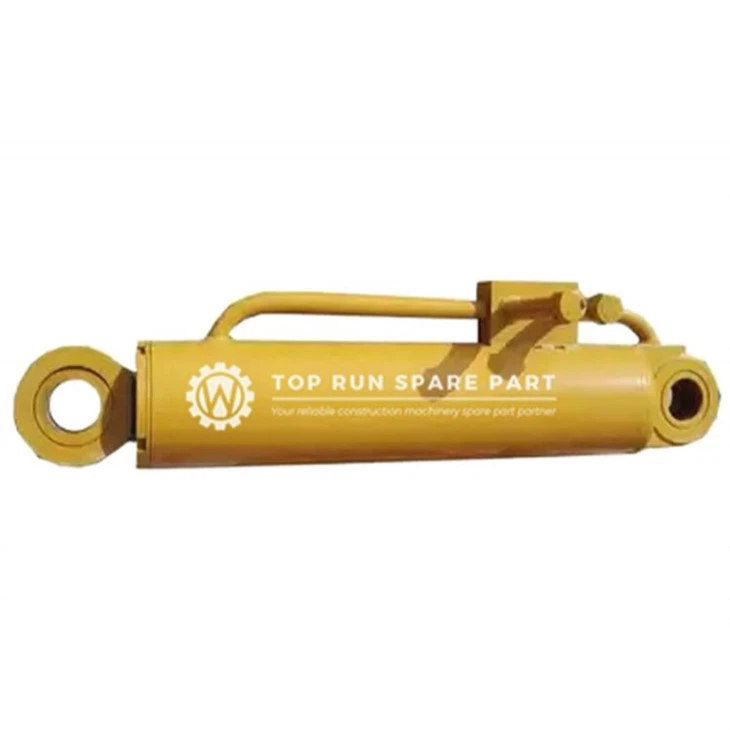
It's important to note that the performance of wheel loader teeth is also closely related to other spare parts of the wheel loader. For example, the Wheel Loader Right Boom Cylinder plays a crucial role in the movement of the bucket and the operation of the teeth. A well - functioning boom cylinder ensures smooth and efficient operation of the loader, which can reduce the stress on the teeth.
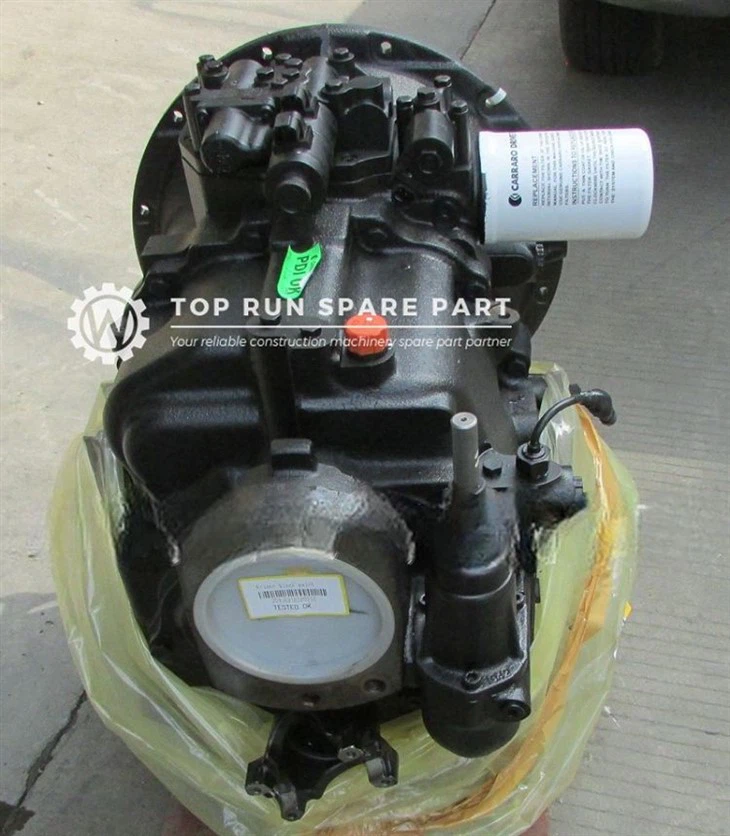
The Transmission Or Gearbox Assy 800307394 is another important component. A properly maintained transmission system ensures that the wheel loader can transfer power effectively to the bucket and the teeth, allowing them to perform their tasks efficiently.
Conclusion and Call to Action
In conclusion, wheel loader teeth can be used in extreme temperatures, but it requires careful consideration of the environmental conditions and appropriate measures to mitigate the negative effects. By understanding the material properties, lubrication requirements, and the importance of other related spare parts, operators can ensure the optimal performance and durability of the wheel loader teeth.
If you are in the market for high - quality wheel loader teeth or other related spare parts, we are here to help. Our team of experts can provide you with detailed advice on the best products for your specific operating conditions. Whether you are working in extreme cold or extreme heat, we have the solutions to meet your needs. Contact us today to start a discussion about your procurement requirements and let's work together to find the best wheel loader teeth and spare parts for your operations.
References
"Materials Science and Engineering: An Introduction" by William D. Callister Jr. and David G. Rethwisch.
"Handbook of Hydraulic Engineering" edited by Chad J. Miller.
Industry reports on wheel loader operations in extreme temperature environments.
Categories
QR Code


