How does a motor grader filter work?
 Language
 Français
 Español
 Árabe
Árabe
 Deutsch
 简体中文
简体中文
 Português
 Русский
 日本語
日本語
 한국어
한국어
 हिंदी
हिंदी
 Prancis
 Türkçe
 Tiếng Việt
 Italiano
 ไทย
ไทย

-
Tel
+86 15275228746
-
WhatsApp/WeChat
8615275228746
Blog
Company intro
10000m 2+ Cover Area QINGDAO TOP RUN INTERNATIONAL TRADE CO., LTD Qingdao Top Run International Trade Co., Ltd. has been a professional and leading supplier of construction machinery spare parts in China for over 15 years. With extensive experience and expertise, we have established strong partnerships with top manufacturers to offer a wide range of genuine and OEM parts for brands such as XCMG, SANY, ZOOMLION, SHANTUI, LIUGONG, and more. 80+ Employees View more Looking for properate products? Contact us
Send Message
How does a motor grader filter work?
Nov 13, 2025
View: 197
Hey there! As a supplier of Motor Grader Filters, I've been getting a lot of questions lately about how these nifty little devices actually work. So, I thought I'd take a few minutes to break it down for you in a way that's easy to understand.
First things first, let's talk about what a motor grader filter does. In simple terms, it's designed to remove contaminants from the fluid in a motor grader's hydraulic system. This fluid is crucial for the operation of various components, like the blade controls and steering. If the fluid gets dirty, it can cause all sorts of problems, including reduced performance, increased wear and tear, and even system failure. That's where the filter comes in.
The Basics of Filtration
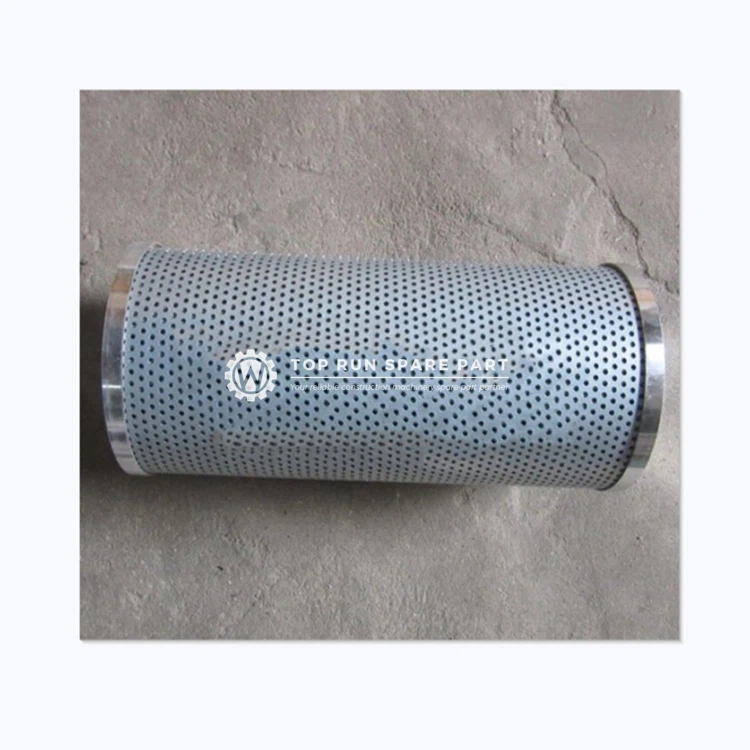
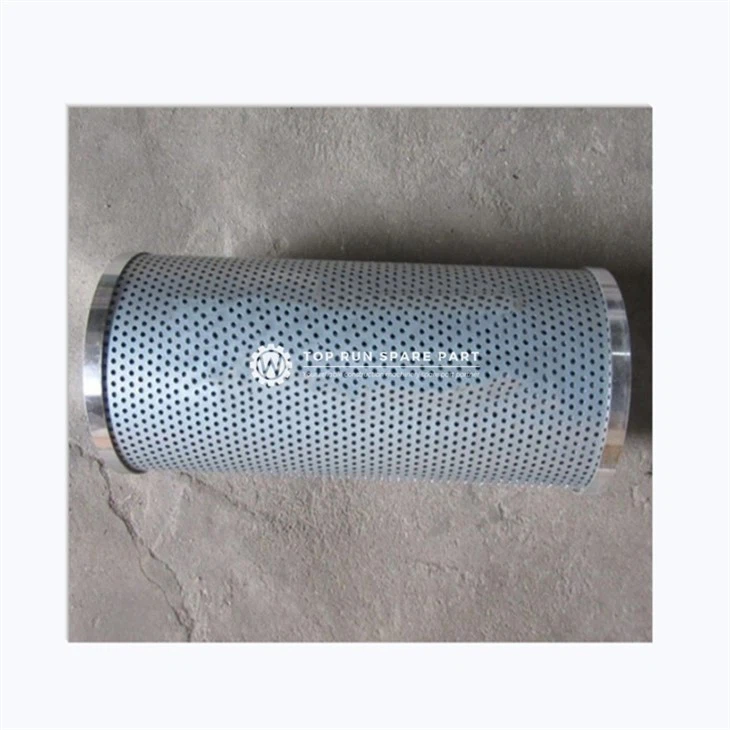
At its core, a motor grader filter works on the principle of mechanical filtration. It has a filter media, which is like a fine mesh or screen. When the hydraulic fluid passes through this media, the contaminants are trapped. The size of the particles that can be trapped depends on the porosity of the filter media. Smaller pores mean the filter can catch tinier particles, but it also means the fluid might have a harder time flowing through.
There are different types of filter media used in motor grader filters. One common type is cellulose. Cellulose filters are relatively inexpensive and can do a decent job of filtering out larger particles. However, they might not be as effective at capturing really small contaminants.
Another type is synthetic media. Synthetic filters are often more expensive, but they offer better filtration efficiency. They can trap smaller particles and are more durable, which means they can last longer.
How the Filter is Installed
The filter is usually installed in the hydraulic system's return line. This is the line that carries the fluid back to the reservoir after it has done its job in the various components. By placing the filter here, it can catch any contaminants that have entered the fluid during its circulation.
When you install a new filter, it's important to make sure it's properly seated and tightened. A loose filter can allow unfiltered fluid to bypass the filter media, defeating the whole purpose of having a filter in the first place.
The Filtration Process in Action
Let's take a look at what happens when the hydraulic fluid enters the filter. As the fluid flows into the filter housing, it first encounters the pre - filter. The pre - filter is designed to catch the larger particles, like debris and dirt. This helps to protect the main filter media from getting clogged too quickly.
After passing through the pre - filter, the fluid then moves on to the main filter media. Here, the smaller contaminants, such as fine metal particles and sludge, are trapped. The clean fluid then exits the filter and returns to the reservoir, ready to be used again in the hydraulic system.
Over time, as the filter traps more and more contaminants, it will start to clog. When this happens, the pressure drop across the filter increases. A pressure drop is the difference in pressure between the inlet and the outlet of the filter. If the pressure drop gets too high, it can indicate that the filter needs to be replaced.
Importance of Regular Filter Replacement
Regular filter replacement is crucial for the proper functioning of the motor grader's hydraulic system. A clogged filter can restrict the flow of fluid, which can lead to a decrease in system performance. It can also cause the pump to work harder, which can increase energy consumption and wear on the pump.
Most manufacturers recommend replacing the motor grader filter at regular intervals. The exact interval depends on factors like the operating conditions of the motor grader. If the grader is used in a dusty or dirty environment, the filter will need to be replaced more frequently.
Our Products
As a supplier of Link: Motor Grader Filter, we offer a wide range of high - quality filters. Our filters are designed to meet or exceed the original equipment manufacturer's specifications. We use the latest technology and the best filter media to ensure optimal filtration performance.
One of our most popular products is the Link: Motor Grader Hydraulic Filter. This filter is specifically designed for the hydraulic systems of motor graders. It provides excellent filtration efficiency and durability, which means it can keep your hydraulic system running smoothly for longer.
Why Choose Us
We understand that when it comes to purchasing motor grader filters, you want a reliable supplier. That's why we pride ourselves on our customer service. We have a team of experts who can help you choose the right filter for your specific needs. We also offer competitive pricing and fast shipping, so you can get your filter when you need it.
If you're experiencing any issues with your current filters or if you're just looking for a better option, don't hesitate to reach out. We're here to help you keep your motor grader in top - notch condition. Whether you're a small construction company or a large fleet operator, we have the filters and the expertise to meet your requirements.
Contact Us for Purchasing
If you're interested in learning more about our motor grader filters or if you're ready to place an order, we'd love to hear from you. Contact us today to start a conversation about your filtration needs. We're always happy to answer any questions you might have and to provide you with a quote.
References
- "Hydraulic Systems: Principles and Maintenance" by David Crolla
- "Filtration Handbook" by Christopher D. Dickenson
Categories
QR Code


