How to calibrate a Crane Controller?
 Language
 Français
 Español
 Árabe
Árabe
 Deutsch
 简体中文
简体中文
 Português
 Русский
 日本語
日本語
 한국어
한국어
 हिंदी
हिंदी
 Prancis
 Türkçe
 Tiếng Việt
 Italiano
 ไทย
ไทย

-
Tel
+86 15275228746
-
WhatsApp/WeChat
8615275228746
Blog
Company intro
10000m 2+ Cover Area QINGDAO TOP RUN INTERNATIONAL TRADE CO., LTD Qingdao Top Run International Trade Co., Ltd. has been a professional and leading supplier of construction machinery spare parts in China for over 15 years. With extensive experience and expertise, we have established strong partnerships with top manufacturers to offer a wide range of genuine and OEM parts for brands such as XCMG, SANY, ZOOMLION, SHANTUI, LIUGONG, and more. 80+ Employees View more Looking for properate products? Contact us
Send Message
How to calibrate a Crane Controller?
May 20, 2025
View: 221
Hey there! I'm a supplier of crane controllers, and today I'm gonna share with you how to calibrate a crane controller. Calibrating a crane controller is super important. It ensures that the crane operates safely and accurately, which can prevent accidents and improve the overall efficiency of your work.
First things first, let's talk about the prep work. Before you start the calibration process, you need to make sure the crane is in a safe and stable position. Shut down the power to the crane to avoid any electrical hazards. Also, check all the mechanical parts of the crane, like the cables, pulleys, and joints. Make sure they are in good condition and there are no signs of wear or damage.
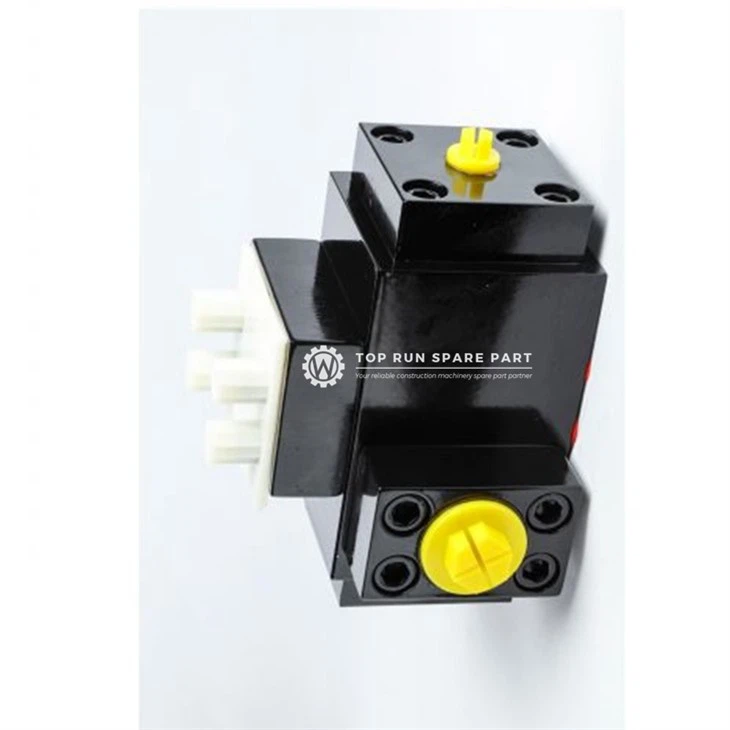
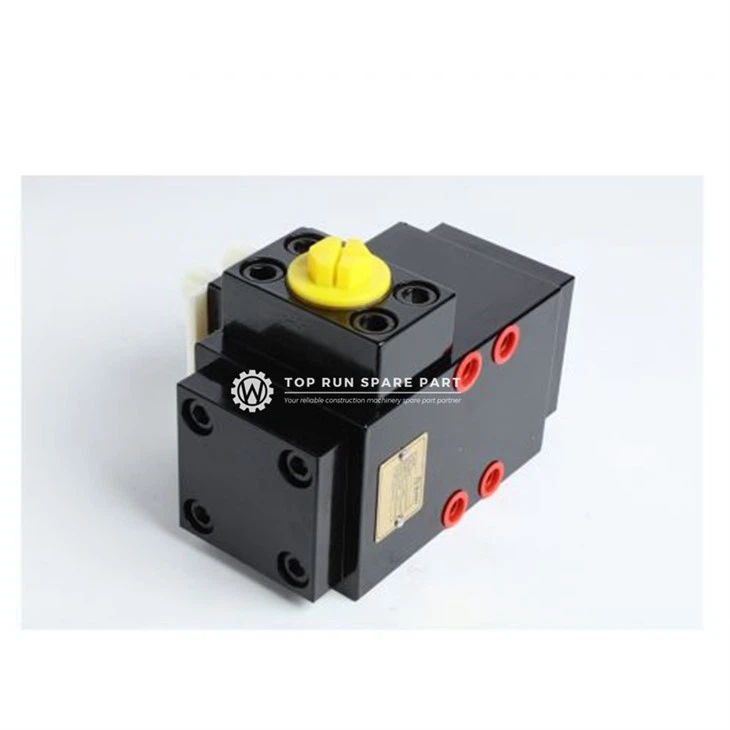
Now, let's get into the actual calibration steps. The first step is to check the input and output signals of the controller. You'll need a multimeter for this. Connect the multimeter to the input and output terminals of the controller and measure the voltage and current. Compare the readings with the specifications provided by the manufacturer. If the readings are way off, there might be a problem with the controller or the sensors connected to it.
For example, the [Length Sensor CJ - 50M M 61028226 P 105292]( /crane - spare - parts/sany - crane - spare - parts/length - sensor - cj - 50m - m - 61028226 - p - 105292.html) is a crucial part that provides length information to the controller. If the sensor is not working properly, it can mess up the calibration. So, make sure to check its connection and functionality. You can use the multimeter to test the sensor's output signal. If the signal is unstable or out of the normal range, you may need to replace the sensor.
Next, we'll look at the calibration of the control parameters. Most crane controllers have a set of parameters that can be adjusted to optimize the performance of the crane. These parameters include things like speed control, load capacity, and acceleration/deceleration rates.
To calibrate the speed control, you'll need to run the crane at different speeds and measure the actual speed using a tachometer or other speed - measuring device. Compare the measured speed with the set speed on the controller. If there's a difference, you can adjust the speed control parameter on the controller. It might take a few tries to get it just right, but keep at it until the measured speed matches the set speed as closely as possible.
When it comes to load capacity calibration, you need to use a load cell to measure the actual load on the crane. Gradually increase the load on the crane and record the readings on the load cell and the controller. The controller should display the correct load value. If there's an error, you can adjust the load capacity parameter in the controller. This is really important for safety reasons, as overloading a crane can lead to serious accidents.
Another important part of the calibration is the valve calibration. Valves play a key role in controlling the flow of hydraulic fluid in the crane, which in turn controls the movement of the crane's arms and other components.
The [Multi - way Valve 60024962]( /crane - spare - parts/sany - crane - spare - parts/multi - way - valve - 60024962.html) and [Balance Valve 60066198]( /crane - spare - parts/sany - crane - spare - parts/balance - valve - 60066198.html) are two common valves in a crane system. To calibrate these valves, you'll need to use a pressure gauge. Connect the pressure gauge to the valve ports and measure the pressure at different operating conditions. Adjust the valve settings according to the manufacturer's specifications. Make sure the pressure is within the acceptable range to ensure smooth and accurate operation of the crane.
During the calibration process, it's also a good idea to keep a record of all the measurements and adjustments you make. This can be really helpful for future reference and troubleshooting. You can use a spreadsheet or a notebook to document everything.
Once you've completed all the calibration steps, it's time to test the crane. Start the crane and run it through a series of normal operations. Observe the movement of the crane, the response of the controls, and the accuracy of the load handling. If you notice any issues, go back and double - check your calibration steps. It's better to be safe than sorry.
In conclusion, calibrating a crane controller is a detailed and important process. It requires patience, the right tools, and a good understanding of the crane system. By following these steps, you can ensure that your crane operates safely and efficiently.
If you're in the market for a new crane controller or any of the spare parts I mentioned, like the [Length Sensor CJ - 50M M 61028226 P 105292]( /crane - spare - parts/sany - crane - spare - parts/length - sensor - cj - 50m - m - 61028226 - p - 105292.html), [Multi - way Valve 60024962]( /crane - spare - parts/sany - crane - spare - parts/multi - way - valve - 60024962.html), or [Balance Valve 60066198]( /crane - spare - parts/sany - crane - spare - parts/balance - valve - 60066198.html), feel free to reach out. We're here to help you with all your crane - related needs. Whether you have questions about calibration, need technical support, or want to place an order, don't hesitate to contact us. We'll work with you to find the best solutions for your crane operations.
References:
Crane Controller Manufacturer's Manuals
Hydraulic System Engineering Guides
Safety Standards for Crane Operations
Categories
QR Code


