How to reduce the wear of an Oil Scavenger Pump?
 Language
 Français
 Español
 Árabe
Árabe
 Deutsch
 简体中文
简体中文
 Português
 Русский
 日本語
日本語
 한국어
한국어
 हिंदी
हिंदी
 Prancis
 Türkçe
 Tiếng Việt
 Italiano
 ไทย
ไทย

-
Tel
+86 15275228746
-
WhatsApp/WeChat
8615275228746
Blog
Company intro
10000m 2+ Cover Area QINGDAO TOP RUN INTERNATIONAL TRADE CO., LTD Qingdao Top Run International Trade Co., Ltd. has been a professional and leading supplier of construction machinery spare parts in China for over 15 years. With extensive experience and expertise, we have established strong partnerships with top manufacturers to offer a wide range of genuine and OEM parts for brands such as XCMG, SANY, ZOOMLION, SHANTUI, LIUGONG, and more. 80+ Employees View more Looking for properate products? Contact us
Send Message
How to reduce the wear of an Oil Scavenger Pump?
May 29, 2025
View: 175
As a supplier of Oil Scavenger Pumps, I understand the importance of ensuring these crucial components have a long and efficient service life. The wear of an Oil Scavenger Pump can lead to decreased performance, increased maintenance costs, and even system failures. In this blog, I'll share some effective strategies to reduce the wear of an Oil Scavenger Pump.
1. Select the Right Oil
The quality and type of oil used in the system play a vital role in reducing pump wear. High - quality oils with proper viscosity ratings are essential. Viscosity affects the pump's ability to transfer oil smoothly. If the oil is too thin, it may not provide adequate lubrication, leading to increased friction between the pump's moving parts. On the other hand, if the oil is too thick, the pump may have to work harder, which can also cause excessive wear.
For example, in a high - temperature environment, an oil with a higher viscosity index is recommended. This type of oil can maintain its viscosity over a wide range of temperatures, ensuring consistent lubrication. Regularly check the oil level and quality. Contaminated oil can contain abrasive particles such as dirt, metal shavings, and debris, which can accelerate pump wear. Replace the oil at the recommended intervals and use oil filters to trap contaminants. You can find more information about our Oil Scavenger Pump on our website.
2. Maintain Proper System Pressure
The pressure within the oil scavenging system should be carefully regulated. Excessive pressure can put extra stress on the pump's internal components, leading to premature wear. Install pressure relief valves to prevent over - pressurization. These valves open when the pressure exceeds a certain limit, allowing the excess oil to bypass the pump and return to the reservoir.
Conversely, low pressure can also cause problems. Insufficient pressure may result in cavitation, a phenomenon where vapor bubbles form in the oil due to low pressure and then collapse suddenly when they reach a high - pressure area. The implosion of these bubbles can cause pitting and erosion on the pump's surfaces. Regularly monitor the system pressure using pressure gauges and adjust the settings as needed.
3. Ensure Correct Installation
Proper installation of the Oil Scavenger Pump is crucial for its long - term performance. Incorrect alignment can cause uneven loading on the pump's bearings and shafts, leading to excessive wear. During installation, make sure the pump is perfectly aligned with the drive shaft. Use alignment tools to ensure accurate positioning.
The pump should also be mounted securely. Loose mounting can cause vibrations, which can damage the pump's internal components over time. Tighten all mounting bolts to the recommended torque specifications. Additionally, check the piping connections. Leaky pipes can lead to a loss of pressure and allow air to enter the system, which can cause cavitation and other problems.
4. Keep the Pump Clean
A clean working environment is essential for reducing pump wear. Dust, dirt, and other contaminants can enter the pump through the intake or ventilation openings. Install air filters on the intake ports to prevent these particles from entering the pump. Regularly clean the exterior of the pump to remove any accumulated dirt or debris.
In some cases, the pump may be exposed to water or other liquids. Moisture can cause corrosion on the pump's metal parts, which can weaken the structure and lead to premature failure. If the pump is in a wet environment, consider using a protective coating or housing to keep it dry. You may also be interested in our Water Tank Radiator for Shantui, which can help maintain the proper temperature of the system.
5. Regular Maintenance and Inspection
Regular maintenance and inspection are key to detecting and preventing pump wear. Establish a maintenance schedule and follow it strictly. During maintenance, disassemble the pump periodically to inspect the internal components. Check the condition of the bearings, gears, seals, and impellers. Look for signs of wear, such as scoring, pitting, or excessive clearance.
Replace any worn - out parts immediately. Using worn parts can cause further damage to the pump and other components in the system. Keep a record of all maintenance activities, including the date of inspection, parts replaced, and any issues detected. This record can help you track the pump's performance over time and identify any recurring problems.
6. Monitor the Pump's Performance
Continuous monitoring of the pump's performance can help you detect early signs of wear. Monitor parameters such as flow rate, pressure, and temperature. A decrease in flow rate or an increase in temperature may indicate a problem with the pump. Use sensors and monitoring devices to collect data on these parameters.
Analyze the data regularly to identify any trends or anomalies. For example, if the pump's temperature is gradually increasing over time, it may be a sign of increased friction due to wear. By detecting these issues early, you can take corrective action before the pump fails completely.
7. Train the Operators
Proper training of the operators is essential for reducing pump wear. Operators should be familiar with the pump's operating instructions and safety procedures. They should know how to start and stop the pump correctly, how to monitor the system parameters, and how to respond to any abnormal situations.
Training should also include maintenance procedures, such as oil changes and filter replacements. Well - trained operators are more likely to operate the pump correctly, which can significantly extend its service life. Provide regular refresher training to keep the operators up - to - date with the latest information.
8. Use High - Quality Spare Parts
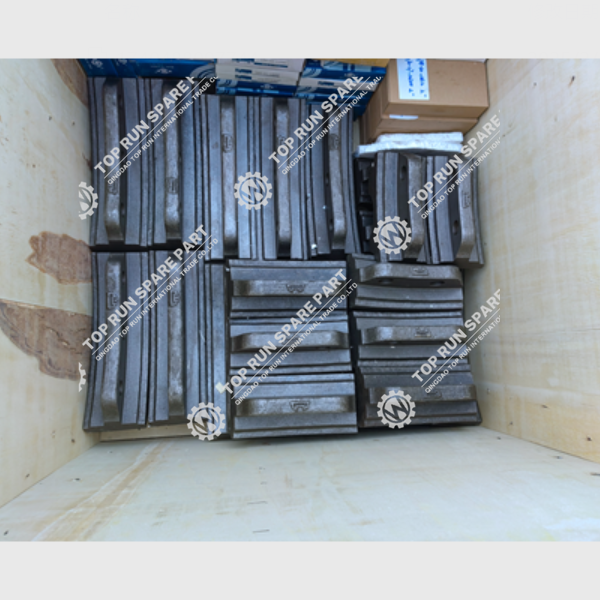
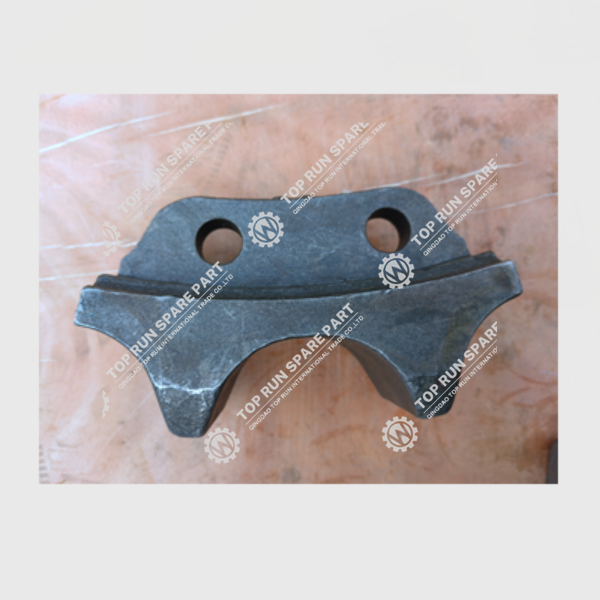
When replacing parts in the Oil Scavenger Pump, always use high - quality spare parts. Inferior parts may not meet the required specifications and can cause premature wear or failure. Our company offers a wide range of high - quality spare parts, including 154 - 27 - 12273 Sprocket Teath, which are designed to ensure the optimal performance of your pump.
High - quality parts are made from better materials and are manufactured to more precise tolerances. They can withstand the stresses and strains of the pumping process and provide reliable service for a longer period.
In conclusion, reducing the wear of an Oil Scavenger Pump requires a comprehensive approach that includes proper oil selection, pressure regulation, correct installation, regular maintenance, and operator training. By following these strategies, you can significantly extend the service life of the pump, reduce maintenance costs, and ensure the reliable operation of your system.
If you are interested in our Oil Scavenger Pumps or have any questions about reducing pump wear, please feel free to contact us for further discussion and potential procurement opportunities.
References
Neale, M. J. (2000). Tribology Handbook. Elsevier.
Shigley, J. E., & Mischke, C. R. (2001). Mechanical Engineering Design. McGraw - Hill.
Pump Handbook (4th ed.). (2010). McGraw - Hill.
Categories
QR Code


