What are the common problems with excavator filters?
 Language
 Français
 Español
 Árabe
Árabe
 Deutsch
 简体中文
简体中文
 Português
 Русский
 日本語
日本語
 한국어
한국어
 हिंदी
हिंदी
 Prancis
 Türkçe
 Tiếng Việt
 Italiano
 ไทย
ไทย

-
Tel
+86 15275228746
-
WhatsApp/WeChat
8615275228746
Blog
Company intro
10000m 2+ Cover Area QINGDAO TOP RUN INTERNATIONAL TRADE CO., LTD Qingdao Top Run International Trade Co., Ltd. has been a professional and leading supplier of construction machinery spare parts in China for over 15 years. With extensive experience and expertise, we have established strong partnerships with top manufacturers to offer a wide range of genuine and OEM parts for brands such as XCMG, SANY, ZOOMLION, SHANTUI, LIUGONG, and more. 80+ Employees View more Looking for properate products? Contact us
Send Message
What are the common problems with excavator filters?
May 29, 2025
View: 233
In the realm of heavy machinery, excavators stand as the workhorses of construction, mining, and various other industries. These powerful machines rely on a multitude of components to function efficiently, and among the most crucial are the excavator filters. As a trusted Excavator Filters supplier, I've witnessed firsthand the impact that filter - related issues can have on excavator performance. In this blog, we'll delve into the common problems associated with excavator filters and how they can be addressed.
Clogging
One of the most prevalent issues with excavator filters is clogging. Excavator filters are designed to trap contaminants such as dust, dirt, and debris from the air, fuel, and hydraulic systems. Over time, these particles accumulate within the filter media, gradually restricting the flow of air, fuel, or hydraulic fluid.
In the case of air filters, a clogged filter restricts the amount of air entering the engine. This leads to an improper air - fuel mixture, causing the engine to run rich. As a result, fuel consumption increases, power output decreases, and emissions are elevated. A severely clogged air filter can even lead to engine stalling.
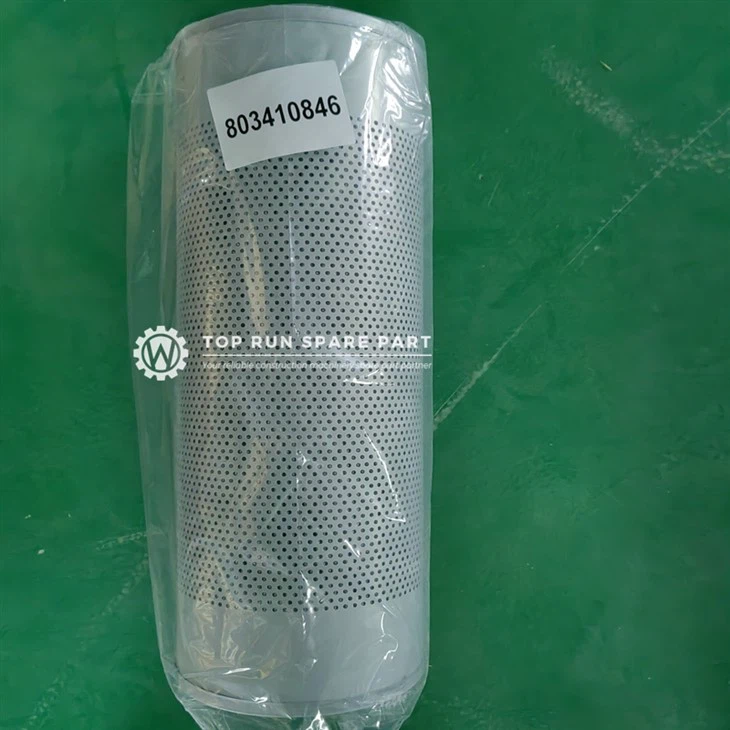
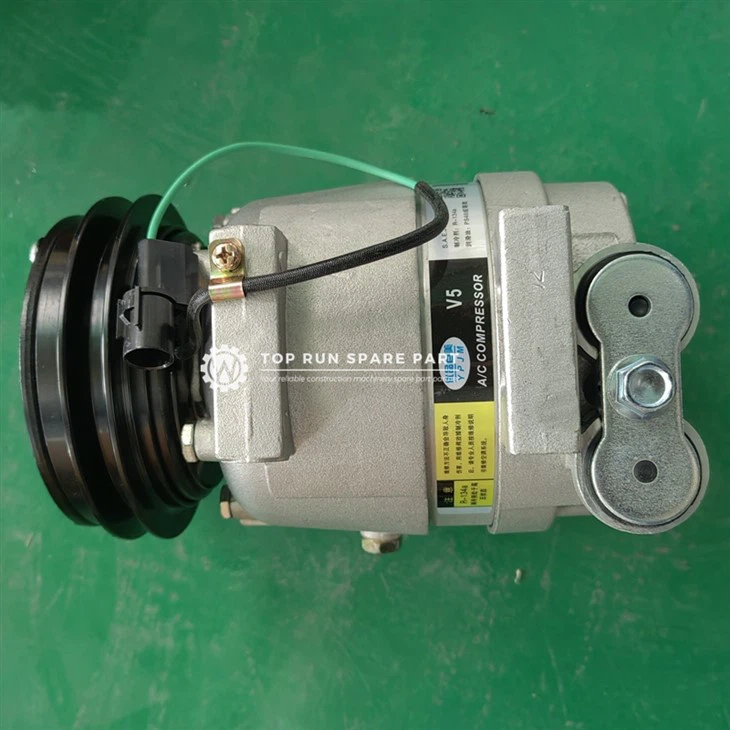
Fuel filters also face the same clogging problem. Contaminants in the fuel can clog the filter, reducing the fuel flow to the engine. This can cause engine misfires, hesitation, and a significant drop in power. In extreme cases, a clogged fuel filter can prevent the engine from starting altogether.
Hydraulic filters are equally susceptible to clogging. When a hydraulic filter becomes clogged, it restricts the flow of hydraulic fluid, leading to increased pressure in the system. This can cause damage to hydraulic components such as pumps, valves, and cylinders. It may also result in erratic operation of the excavator's hydraulic functions, such as slow or jerky movements of the boom, arm, and bucket.
To prevent clogging, regular maintenance and filter replacement are essential. Operators should follow the manufacturer's recommended maintenance schedule and replace filters at the appropriate intervals. Additionally, using high - quality filters, such as the ones we offer at Excavator Filters, can significantly reduce the risk of clogging.
Filter Media Damage
Another common problem is damage to the filter media. The filter media is the core component of the filter that traps contaminants. It can be damaged in several ways.
Physical damage can occur during installation or removal of the filter. If the filter is not handled carefully, the media can be punctured or torn. This allows contaminants to bypass the filter, defeating its purpose. Improper installation, such as incorrect seating of the filter or overtightening of the filter housing, can also cause damage to the filter media.
Chemical damage is also a concern, especially for fuel and hydraulic filters. Certain chemicals in the fuel or hydraulic fluid can degrade the filter media over time. For example, contaminated fuel with high levels of sulfur or water can cause corrosion of the filter media. In hydraulic systems, the use of incompatible hydraulic fluids can lead to chemical reactions that damage the filter media.
When the filter media is damaged, the filter's efficiency is compromised. Contaminants can pass through the damaged areas, leading to increased wear and tear on engine and hydraulic components. To avoid filter media damage, proper handling and installation procedures should be followed. It's also important to use the correct type of fuel and hydraulic fluid recommended by the excavator manufacturer.
Incorrect Filter Selection
Selecting the wrong filter for an excavator is a problem that can have far - reaching consequences. Each excavator model has specific requirements for its air, fuel, and hydraulic filters. Using an incorrect filter can lead to poor performance and premature component failure.
An air filter that is too small or has a lower filtration rating than required may not be able to effectively trap all the contaminants in the air. This can result in increased engine wear and reduced engine life. On the other hand, an air filter that is too large may not fit properly in the filter housing, leading to air leaks and inefficient filtration.
For fuel filters, using a filter with an incorrect micron rating can cause problems. A filter with a too - large micron rating may not remove small particles from the fuel, while a filter with a too - small micron rating can cause excessive pressure drop and reduced fuel flow.
In hydraulic systems, using an incorrect hydraulic filter can lead to poor system performance. The wrong filter may not be able to handle the flow rate or pressure requirements of the hydraulic system, resulting in increased pressure, reduced flow, and potential damage to hydraulic components.
As an Excavator Filters supplier, we understand the importance of correct filter selection. We offer a wide range of filters that are specifically designed to meet the requirements of different excavator models. Our experts can provide guidance on selecting the right filter for your excavator to ensure optimal performance.
Seal Failure
Seal failure is another issue that can affect excavator filters. The seals in the filter housing are responsible for preventing leaks and ensuring that the fluid or air flows through the filter media properly.
Over time, the seals can deteriorate due to factors such as age, heat, and exposure to chemicals. When the seals fail, there can be leaks around the filter housing. In the case of air filters, air leaks can allow unfiltered air to enter the engine, reducing the effectiveness of the filtration system. For fuel and hydraulic filters, leaks can lead to fluid loss, which can cause a drop in system pressure and potential damage to components.
Regular inspection of the seals is necessary to detect early signs of wear or damage. If a seal is found to be damaged, it should be replaced immediately. Using high - quality seals and proper installation techniques can help prevent seal failure.
Contamination by Moisture
Moisture can be a significant problem for excavator filters, especially in fuel and hydraulic systems. Water can enter the fuel or hydraulic fluid through various means, such as condensation, contaminated storage, or leaks in the system.
When water enters the fuel filter, it can cause corrosion of the filter media and housing. It can also lead to the growth of bacteria and fungi, which can further clog the filter and contaminate the fuel. In hydraulic systems, water can cause emulsification of the hydraulic fluid, reducing its lubricating properties and increasing wear on hydraulic components.
To prevent moisture contamination, proper storage of fuel and hydraulic fluid is crucial. Fuel tanks should be kept sealed, and water should be drained regularly from fuel storage containers. In hydraulic systems, moisture separators can be installed to remove water from the hydraulic fluid. Additionally, using filters with water - separating capabilities can help mitigate the effects of moisture contamination.
Impact on Excavator Performance
The problems associated with excavator filters can have a significant impact on the overall performance of the excavator. Clogged filters can lead to reduced power, increased fuel consumption, and poor engine and hydraulic system performance. Filter media damage and incorrect filter selection can cause premature wear and tear on components, leading to costly repairs and downtime.
When the excavator's performance is compromised, productivity is affected. Delays in construction projects or mining operations can result in significant financial losses. Therefore, it's essential to address filter - related problems promptly to ensure the smooth operation of the excavator.
Importance of Quality Filters
Using high - quality filters is crucial for preventing these common problems. High - quality filters are made from durable materials that can withstand the harsh operating conditions of an excavator. They have a higher filtration efficiency, which means they can trap more contaminants and protect the engine and hydraulic components more effectively.
As an Excavator Filters supplier, we are committed to providing our customers with the highest - quality filters. Our filters are designed and manufactured to meet or exceed the standards set by excavator manufacturers. We offer a comprehensive range of filters for different excavator models, ensuring that our customers can find the right filter for their needs.
Conclusion
In conclusion, the common problems with excavator filters, such as clogging, filter media damage, incorrect filter selection, seal failure, and moisture contamination, can have a significant impact on excavator performance. Regular maintenance, proper handling, and the use of high - quality filters are essential for preventing these problems.
If you're experiencing any issues with your excavator filters or are looking for high - quality replacement filters, we're here to help. As a leading Excavator Filters supplier, we have the expertise and products to meet your needs. Contact us today to discuss your requirements and explore how our filters can improve the performance and reliability of your excavator. We're also able to offer guidance on related parts such as Excavator Compressor and Excavator Teeth to ensure your excavator is in top - notch condition.
References
Manufacturer's manuals for excavators
Industry standards for filter performance and quality
Technical literature on engine and hydraulic system filtration
Categories
QR Code


