What are the compatibility issues with a crane load display?
 Language
 Français
 Español
 Árabe
Árabe
 Deutsch
 简体中文
简体中文
 Português
 Русский
 日本語
日本語
 한국어
한국어
 हिंदी
हिंदी
 Prancis
 Türkçe
 Tiếng Việt
 Italiano
 ไทย
ไทย

-
Tel
+86 15275228746
-
WhatsApp/WeChat
8615275228746
Blog
Company intro
10000m 2+ Cover Area QINGDAO TOP RUN INTERNATIONAL TRADE CO., LTD Qingdao Top Run International Trade Co., Ltd. has been a professional and leading supplier of construction machinery spare parts in China for over 15 years. With extensive experience and expertise, we have established strong partnerships with top manufacturers to offer a wide range of genuine and OEM parts for brands such as XCMG, SANY, ZOOMLION, SHANTUI, LIUGONG, and more. 80+ Employees View more Looking for properate products? Contact us
Send Message
What are the compatibility issues with a crane load display?
Jun 3, 2025
View: 195
Hey there! As a supplier of Crane Load Displays, I've seen my fair share of compatibility issues in the field. In this blog, I'll dive into what these issues are and how they can impact your crane operations.
First off, let's understand what a Crane Load Display does. It's a crucial piece of equipment that shows the load weight on a crane in real - time. This helps operators make safe and informed decisions while lifting heavy loads. But like any tech - based system, it's not without its challenges when it comes to compatibility.
Compatibility with Crane Types
One of the most common compatibility issues is with different crane types. There are various types of cranes out there, such as tower cranes, mobile cranes, and overhead cranes. Each type has its own unique design, operating mechanism, and electrical system.
Tower cranes, for example, are tall and stationary structures used in construction sites for high - rise buildings. They have a specific way of lifting loads vertically and horizontally. The Crane Load Display needs to be compatible with the tower crane's control system to accurately measure and display the load. If the display isn't designed for a tower crane, it might not communicate properly with the crane's sensors and controllers. This could lead to inaccurate load readings, which is a huge safety risk.
Mobile cranes, on the other hand, are more flexible and can be moved around a job site. They have different hydraulic and electrical systems compared to tower cranes. A Crane Load Display that works well with a tower crane may not work at all with a mobile crane. The display needs to be able to interface with the mobile crane's unique hydraulic pressure sensors and movement detectors.
Overhead cranes are commonly used in factories and warehouses. They operate on a track system and lift loads horizontally within a limited area. The Crane Load Display for an overhead crane must be compatible with the crane's track - based movement sensors and load - bearing structures. Incompatibility here can result in the display malfunctioning or providing incorrect load information.
Compatibility with Sensors
Another major area of concern is the compatibility between the Crane Load Display and the sensors on the crane. Sensors are what measure the load, and they come in different types. There are load cells, which are used to measure the force exerted by the load. These load cells can be installed in different parts of the crane, such as the hook or the boom.
The Crane Load Display needs to be able to receive and process the signals from these load cells. Different load cells have different signal outputs, such as analog or digital. If the display is designed to receive analog signals but the load cell is outputting digital signals, there will be a compatibility issue. This can cause the display to show incorrect load values or not work at all.
There are also other sensors on a crane, like tilt sensors and angle sensors. Tilt sensors measure the angle of the crane's boom, and angle sensors determine the position of the load. The Crane Load Display needs to be able to integrate the data from these sensors to provide a comprehensive view of the load situation. If the display can't communicate with these sensors, it won't be able to calculate the correct load capacity based on the boom angle and tilt, which is essential for safe crane operation.
Compatibility with Software and Firmware
In today's digital age, Crane Load Displays often come with software and firmware. The software is what processes the data from the sensors and presents it on the display screen. Firmware is the low - level software that controls the basic functions of the display.
Compatibility issues can arise when the software on the Crane Load Display isn't compatible with the crane's control software. For example, if the crane's control system is updated to a new version, the Crane Load Display's software may not be able to communicate with it properly. This can lead to errors in data transfer and display.
Firmware compatibility is also crucial. If the firmware on the display is outdated or not compatible with the hardware components, it can cause the display to freeze, crash, or show incorrect information. Manufacturers need to ensure that the software and firmware on the Crane Load Display are regularly updated and compatible with the latest crane control systems.
Compatibility with Other Crane Spare Parts
A crane is a complex machine made up of many spare parts. The Crane Load Display needs to be compatible with other spare parts like the Crane Steel Wire Rope. The wire rope is responsible for lifting the load, and its condition can affect the load measurement. If the display isn't calibrated to work with the specific type and condition of the wire rope, it may give inaccurate load readings.
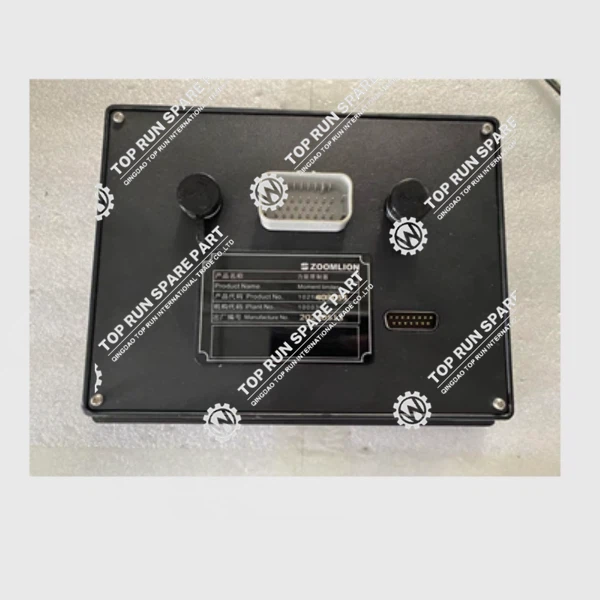
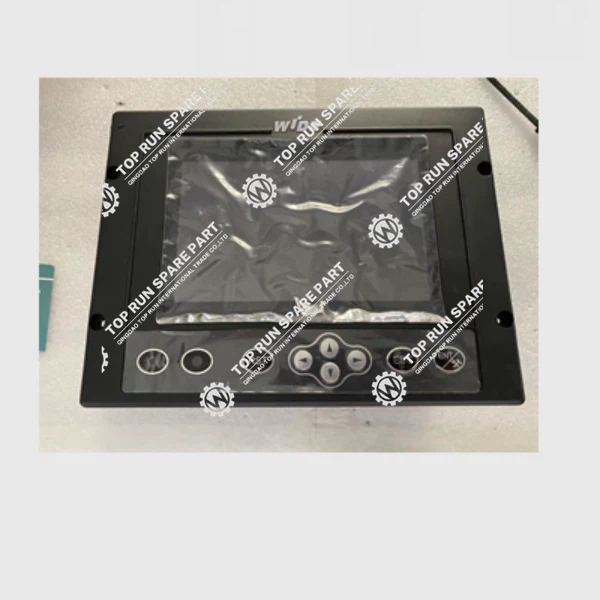
Another important spare part is the WIDE LMI Load Moment Limiter ASSY 1021500. This limiter ensures that the crane doesn't exceed its maximum load capacity. The Crane Load Display should be able to communicate with the load moment limiter to provide accurate information about the load and the crane's capacity. Incompatibility between the display and the load moment limiter can result in the limiter not functioning correctly, which is a serious safety hazard.
Impact of Compatibility Issues
These compatibility issues can have a significant impact on crane operations. Inaccurate load readings can lead to overloading the crane, which can cause structural damage to the crane and pose a danger to the operators and people in the vicinity. Malfunctioning displays can also lead to delays in construction projects or factory operations as workers may be hesitant to use the crane until the issue is resolved.
Solutions to Compatibility Issues
To address these compatibility issues, it's important to choose a Crane Load Display that is specifically designed for your crane type. Do your research and make sure the display is compatible with the sensors, software, and other spare parts on your crane. Manufacturers should also provide regular software and firmware updates to ensure compatibility with the latest crane systems.
If you're having compatibility issues with your current Crane Load Display, don't hesitate to contact the manufacturer's technical support. They can help you troubleshoot the problem and may even provide a software or hardware upgrade to fix the issue.
Why Choose Our Crane Load Displays
As a supplier, we take compatibility very seriously. Our Crane Load Displays are designed to be highly compatible with a wide range of crane types, sensors, and spare parts. We use the latest technology to ensure accurate load measurement and seamless communication with the crane's control system.
We also provide excellent customer support. If you have any questions about compatibility or encounter any issues with our displays, our team of experts is ready to assist you.
Contact Us for Purchase and Discussion
If you're in the market for a reliable Crane Load Display, we'd love to talk to you. Whether you're a construction company, a factory owner, or involved in any industry that uses cranes, we can provide you with the right solution. Reach out to us to discuss your specific requirements and let's find the perfect Crane Load Display for your needs.
References
Crane Safety Handbook, Various Editions
Technical Manuals of Different Crane Manufacturers
Industry Reports on Crane Technology and Compatibility Issues
Categories
QR Code


