What are the precautions when using a wheel loader bucket for waste handling?
 Language
 Français
 Español
 Árabe
Árabe
 Deutsch
 简体中文
简体中文
 Português
 Русский
 日本語
日本語
 한국어
한국어
 हिंदी
हिंदी
 Prancis
 Türkçe
 Tiếng Việt
 Italiano
 ไทย
ไทย

-
Tel
+86 15275228746
-
WhatsApp/WeChat
8615275228746
Blog
Company intro
10000m 2+ Cover Area QINGDAO TOP RUN INTERNATIONAL TRADE CO., LTD Qingdao Top Run International Trade Co., Ltd. has been a professional and leading supplier of construction machinery spare parts in China for over 15 years. With extensive experience and expertise, we have established strong partnerships with top manufacturers to offer a wide range of genuine and OEM parts for brands such as XCMG, SANY, ZOOMLION, SHANTUI, LIUGONG, and more. 80+ Employees View more Looking for properate products? Contact us
Send Message
What are the precautions when using a wheel loader bucket for waste handling?
Jul 31, 2025
View: 201
Hey there! As a supplier of wheel loader buckets, I've seen firsthand the importance of taking precautions when using these buckets for waste handling. It's not just about getting the job done; it's about doing it safely and efficiently. In this blog, I'll share some key precautions that you should keep in mind when using a wheel loader bucket for waste handling.
1. Pre - operation Checks
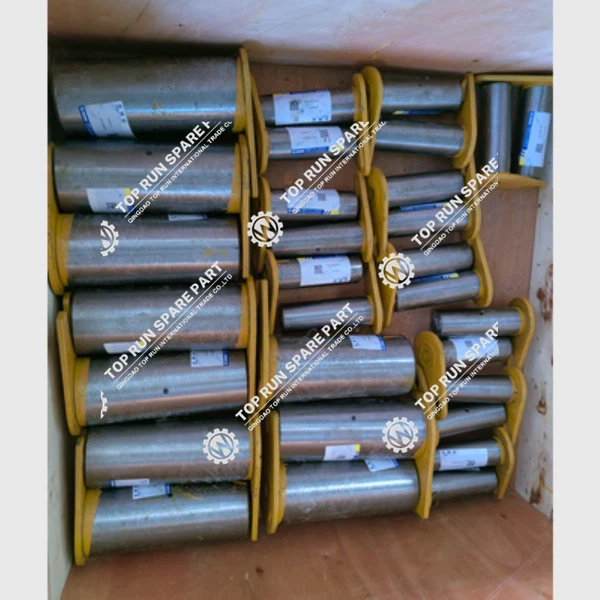
Before you even start using the wheel loader bucket for waste handling, there are a bunch of checks you need to do. First off, take a good look at the bucket itself. Check for any signs of damage like cracks, dents, or excessive wear. A damaged bucket can not only reduce its efficiency but also pose a safety risk. If you notice any issues, it might be time to replace parts. For example, if the bucket pin shaft is worn out, you can find a replacement like the 252600341Buket Pin Shaft.
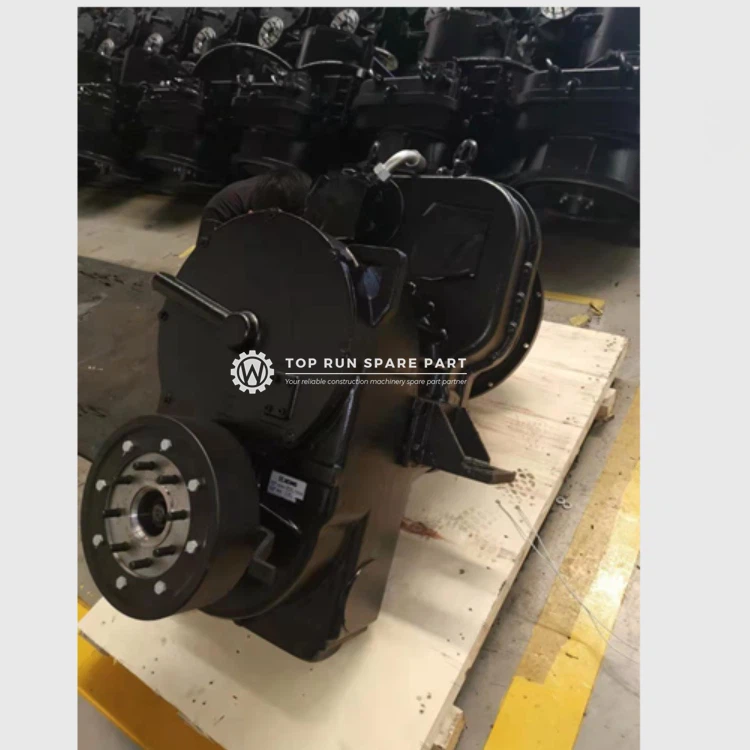
Next, check the wheel loader's other components. The Wheel Loader Gearbox is a crucial part. Make sure it's in good working condition. A faulty gearbox can lead to problems with the loader's movement and operation. You might also want to check the transmission assembly. The Transmission Assembly Or Gearbox 800357721 Yd13004137 is a common part that needs to be inspected regularly.
Don't forget to check the hydraulic system. Hydraulics are what make the bucket move up and down and tilt. Look for any leaks in the hydraulic lines. A leak can not only cause a loss of power but also create a slippery surface, which is a safety hazard.
2. Know Your Waste
Different types of waste require different handling techniques. For example, if you're dealing with heavy, dense waste like concrete chunks or large metal pieces, you need to make sure the bucket can handle the weight. Overloading the bucket can cause damage to the loader and increase the risk of tipping over. On the other hand, if you're handling light, fluffy waste like cardboard or insulation, you need to be careful not to let it spill out of the bucket during movement.
Some waste might be hazardous. Chemical waste, for instance, can be corrosive or toxic. If you're handling such waste, make sure the bucket is made of a material that can resist corrosion. You also need to follow all the safety procedures for handling hazardous waste, like wearing appropriate protective gear and disposing of the waste properly.
3. Loading the Bucket
When loading the bucket with waste, it's important to do it evenly. Don't just pile all the waste on one side of the bucket. This can cause the loader to become unbalanced, which is very dangerous. Try to distribute the weight as evenly as possible across the bucket.
Approach the waste at a proper angle. If you approach it too steeply, you might damage the bucket or the loader. A gentle approach is usually better. Also, make sure the bucket is at the right height when you start loading. If it's too low, you might hit the ground and cause damage. If it's too high, you might not be able to pick up all the waste.
4. Moving with the Loaded Bucket
Once the bucket is loaded, be extra careful when moving the wheel loader. Keep a slow and steady speed. Avoid sudden stops or starts, as this can cause the waste to shift in the bucket and make the loader unstable. When turning, make wide turns to prevent the loader from tipping over.
Watch out for obstacles. Waste handling areas can be full of debris, other equipment, or people. Keep a safe distance from these obstacles. Use your mirrors and be aware of your surroundings at all times.
5. Dumping the Waste
When it's time to dump the waste, make sure you're in a proper dumping area. This area should be flat and stable. If the ground is uneven, the loader might tip over during the dumping process.
Before dumping, check the area for any people or other equipment. You don't want to accidentally dump waste on someone or something. When you start dumping, do it slowly. Let the waste come out gradually to prevent it from creating a cloud of dust or flying debris.
6. Maintenance
Regular maintenance is key to keeping the wheel loader bucket in good condition for waste handling. After each use, clean the bucket thoroughly. Waste can leave behind residue that can corrode the bucket over time. Use a pressure washer or a hose to clean the inside and outside of the bucket.
Lubricate the moving parts of the bucket regularly. This includes the pivot points and the hydraulic cylinders. Proper lubrication will ensure smooth operation and prevent wear and tear.
Inspect the bucket and the loader after a certain number of hours of use. This can help you catch any potential problems early on and prevent major breakdowns.
7. Training
All operators using the wheel loader for waste handling should be properly trained. They need to know how to operate the loader safely, how to handle different types of waste, and what to do in case of an emergency. Training should be ongoing, as new safety procedures and equipment might be introduced over time.
8. Safety Gear
Operators should always wear the appropriate safety gear. This includes a hard hat to protect against falling debris, safety glasses to protect the eyes from dust and flying particles, and steel - toed boots to protect the feet. If handling hazardous waste, additional gear like gloves, respirators, and chemical - resistant suits might be required.
In conclusion, using a wheel loader bucket for waste handling requires a lot of precautions. From pre - operation checks to regular maintenance and proper training, every step is important to ensure safety and efficiency. If you're in the market for a new wheel loader bucket or need replacement parts, feel free to reach out. We're here to help you find the right products for your waste - handling needs. Let's work together to make your waste - handling operations as smooth and safe as possible.
References
- Industry standards for wheel loader operation
- Manufacturer's manuals for wheel loaders and their components
- Safety guidelines for waste handling
Categories
QR Code


