What is the effect of the bucket's width on its performance?
 Language
 Français
 Español
 Árabe
Árabe
 Deutsch
 简体中文
简体中文
 Português
 Русский
 日本語
日本語
 한국어
한국어
 हिंदी
हिंदी
 Prancis
 Türkçe
 Tiếng Việt
 Italiano
 ไทย
ไทย

-
Tel
+86 15275228746
-
WhatsApp/WeChat
8615275228746
Blog
Company intro
10000m 2+ Cover Area QINGDAO TOP RUN INTERNATIONAL TRADE CO., LTD Qingdao Top Run International Trade Co., Ltd. has been a professional and leading supplier of construction machinery spare parts in China for over 15 years. With extensive experience and expertise, we have established strong partnerships with top manufacturers to offer a wide range of genuine and OEM parts for brands such as XCMG, SANY, ZOOMLION, SHANTUI, LIUGONG, and more. 80+ Employees View more Looking for properate products? Contact us
Send Message
What is the effect of the bucket's width on its performance?
Sep 18, 2025
View: 209
Hey there! I'm a supplier of Wheel Loader Buckets, and today I want to dig deep into a question that many of our customers often wonder about: What is the effect of the bucket's width on its performance?
Let's start with the basics. The width of a wheel loader bucket is a crucial factor that can significantly impact how well it does its job. You see, a wider bucket isn't always better, and a narrower one isn't necessarily worse. It all depends on what you're using the loader for.
Loading Capacity
One of the most obvious effects of the bucket's width is on its loading capacity. Generally speaking, a wider bucket can scoop up more material in a single pass. If you're working on a large - scale construction site where you need to move a huge amount of loose materials like sand, gravel, or dirt quickly, a wider bucket is going to be your best friend. For example, if you've got a job that requires you to fill up trucks with sand as fast as possible, a wide bucket can load a truck in fewer scoops compared to a narrow one. This means you can get the job done in less time, which can save you a lot of money in the long run.
However, it's not all sunshine and rainbows with wide buckets. In some situations, a wider bucket can be a liability. If you're working in a confined space, like a small quarry or a tight construction area, a wide bucket might not fit properly. You could end up hitting walls, equipment, or other obstacles, which can cause damage to the bucket and the surrounding structures. In these cases, a narrower bucket gives you more maneuverability and allows you to work in tight spots without any hassle.
Digging Performance
The width of the bucket also affects its digging performance. A narrower bucket has a more concentrated force when it comes to digging. It can penetrate harder materials more easily because the force exerted by the loader is focused on a smaller area. This is great for tasks like breaking up compacted soil or digging into hard - packed gravel. When the bucket is narrow, the teeth at the front can bite into the material more effectively, making the digging process more efficient.
On the other hand, a wider bucket spreads the force over a larger area. While this might not be as good for digging into hard materials, it's excellent for surface - level scooping. If you're just skimming the top layer of a pile of loose material, a wide bucket can cover more ground in one go. It can quickly gather up a large amount of material from the surface, which is ideal for tasks like cleaning up a construction site or moving light, fluffy materials.
Fuel Efficiency
Believe it or not, the width of the bucket can also have an impact on fuel efficiency. When you're using a wider bucket, you're moving more material in each scoop. This means you need to make fewer trips to load and unload, which can reduce the overall operating time of the loader. In theory, this should lead to better fuel efficiency because the loader is running for less time.
But here's the catch. A wider bucket is heavier and requires more power to operate. The loader's engine has to work harder to lift and move the larger volume of material, which can increase fuel consumption. So, the actual fuel efficiency depends on a balance between the number of scoops and the power required to operate the bucket. In some cases, a narrow bucket might be more fuel - efficient, especially if you're working with hard materials that require a lot of force to dig.
Wear and Tear
The width of the bucket can influence its wear and tear. A wider bucket is more likely to come into contact with a larger area of the material, which can cause more abrasion on the bucket's surface. Over time, this can lead to faster wear and tear, especially if you're working with abrasive materials like sand or gravel. You might have to replace the bucket more frequently, which can add to your operating costs.
A narrower bucket, on the other hand, has less surface area in contact with the material. This means it generally experiences less wear and tear, and it can last longer. However, if you're using a narrow bucket to dig into hard materials, the teeth and the front edge of the bucket can still take a beating, so proper maintenance is still crucial.
Compatibility with Other Parts
When considering the width of the bucket, you also need to think about its compatibility with other parts of the wheel loader. For instance, a wider bucket might require a more powerful hydraulic system to operate it effectively. You need to make sure that your loader's Gear Pump CBN - E32 803004032 can handle the increased load. If the pump isn't powerful enough, the bucket might not operate smoothly, and you could experience problems like slow lifting or dropping of the bucket.
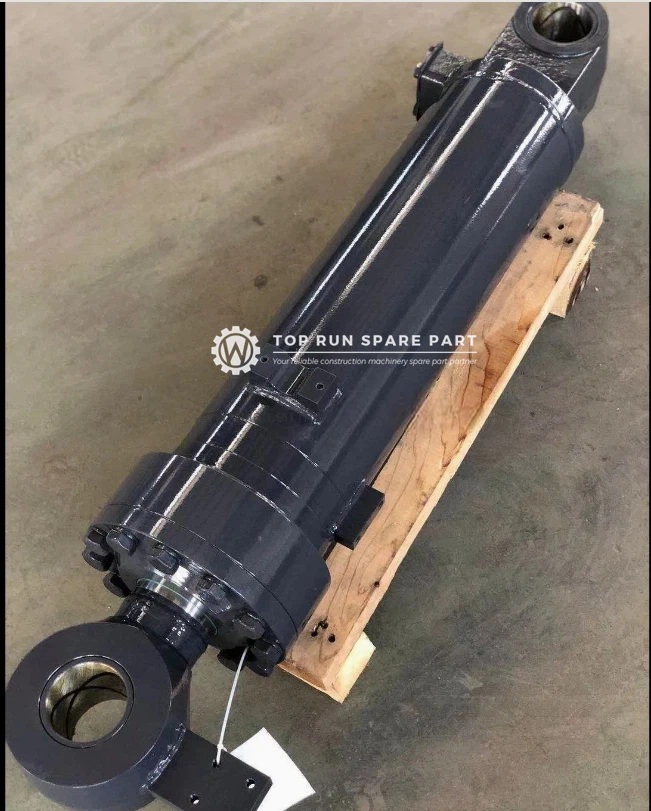
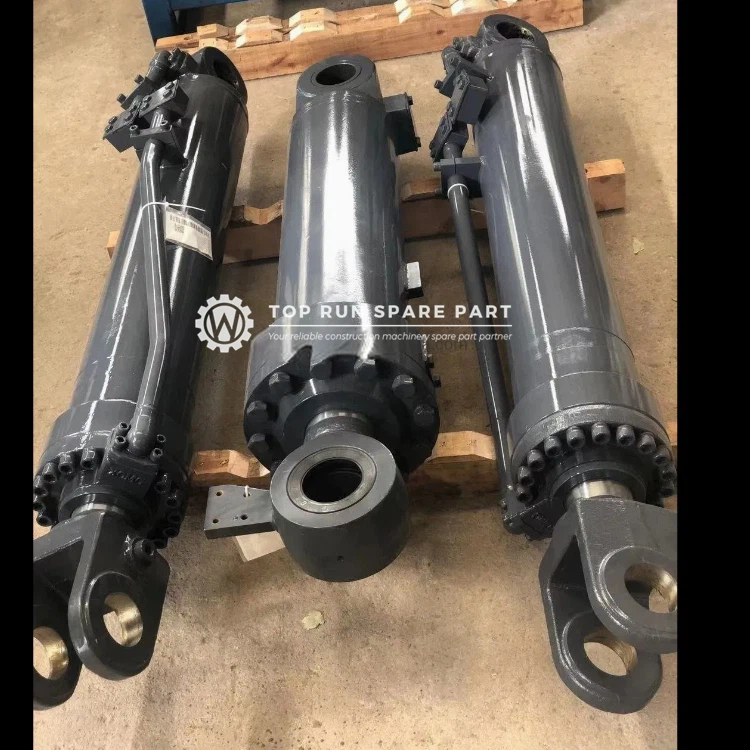
Similarly, the Wheel Loader Bucket Cylinder needs to be able to support the weight and movement of the bucket. A wider bucket puts more stress on the cylinder, so you need to ensure that it's in good condition and rated for the size of the bucket you're using. And don't forget about the Engine Bosch Common Rail Fuel Injection Pump. A wider bucket can increase the workload on the engine, so the fuel injection pump needs to be able to supply the right amount of fuel to keep the engine running smoothly.
Conclusion
In conclusion, the width of a wheel loader bucket has a profound effect on its performance. There's no one - size - fits - all answer when it comes to choosing the right bucket width. You need to consider the type of work you'll be doing, the working environment, the fuel efficiency, and the compatibility with other parts of the loader.
If you're still not sure which bucket width is right for your needs, don't hesitate to reach out. We're here to help you make the best decision for your business. Whether you're a small - scale contractor or a large construction company, we've got the expertise and the products to meet your requirements. Contact us today to start a conversation about your wheel loader bucket needs, and let's find the perfect solution together.
References
- Construction Equipment Magazine, various issues on wheel loader performance.
- Manufacturer's manuals for wheel loaders and their components.
- Industry research reports on the impact of equipment design on construction efficiency.
Categories
QR Code


