What is the flow control method of an Oil Scavenger Pump?
 Language
 Français
 Español
 Árabe
Árabe
 Deutsch
 简体中文
简体中文
 Português
 Русский
 日本語
日本語
 한국어
한국어
 हिंदी
हिंदी
 Prancis
 Türkçe
 Tiếng Việt
 Italiano
 ไทย
ไทย

-
Tel
+86 15275228746
-
WhatsApp/WeChat
8615275228746
Blog
Company intro
10000m 2+ Cover Area QINGDAO TOP RUN INTERNATIONAL TRADE CO., LTD Qingdao Top Run International Trade Co., Ltd. has been a professional and leading supplier of construction machinery spare parts in China for over 15 years. With extensive experience and expertise, we have established strong partnerships with top manufacturers to offer a wide range of genuine and OEM parts for brands such as XCMG, SANY, ZOOMLION, SHANTUI, LIUGONG, and more. 80+ Employees View more Looking for properate products? Contact us
Send Message
What is the flow control method of an Oil Scavenger Pump?
Jun 3, 2025
View: 166
Hey there! As a supplier of Oil Scavenger Pumps, I often get asked about the flow control methods of these pumps. So, I thought I'd take a few minutes to break it down for you in a way that's easy to understand.
First off, let's talk about what an Oil Scavenger Pump actually does. These pumps are used to remove oil from various parts of a machine, like the engine or transmission. They play a crucial role in keeping the system clean and preventing oil from building up, which can lead to all sorts of problems.
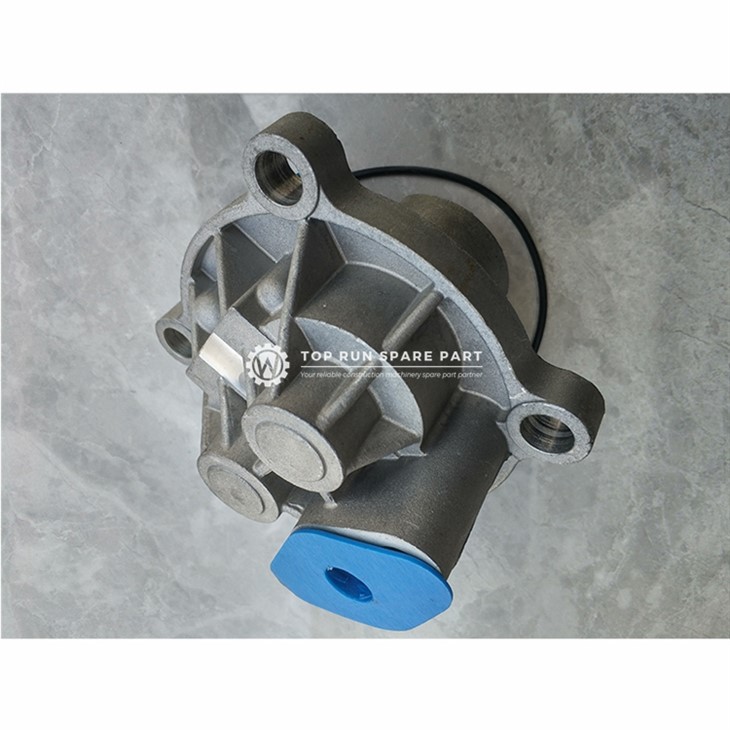
Now, onto the flow control methods. There are a few different ways to control the flow of an Oil Scavenger Pump, and each method has its own pros and cons.
1. Throttle Valve Control
One of the most common flow control methods is using a throttle valve. A throttle valve is basically a device that restricts the flow of fluid by changing the size of the opening through which the fluid passes. When you want to reduce the flow of the Oil Scavenger Pump, you simply close the throttle valve a bit. This increases the resistance in the system, and as a result, the flow rate decreases.
The advantage of using a throttle valve is that it's relatively simple and inexpensive. You can easily adjust the flow rate on the fly, which is great for applications where the flow requirements change frequently. However, the downside is that it can cause a significant pressure drop in the system, which means the pump has to work harder. This can lead to increased energy consumption and wear and tear on the pump.
2. Bypass Valve Control
Another popular method is using a bypass valve. A bypass valve allows some of the fluid to be diverted back to the inlet of the pump instead of being sent to the outlet. By adjusting the amount of fluid that is bypassed, you can control the flow rate at the outlet.
The main advantage of a bypass valve is that it can maintain a relatively constant pressure in the system. This is because the excess fluid is simply redirected back to the inlet, rather than being forced through a restricted opening like in a throttle valve. However, the drawback is that it can waste a lot of energy, especially if a large amount of fluid is being bypassed.
3. Variable Speed Drive Control
A more advanced flow control method is using a variable speed drive (VSD). A VSD allows you to change the speed of the pump motor, which in turn changes the flow rate of the pump. When you want to reduce the flow, you simply lower the speed of the motor.
The big advantage of a VSD is that it's very energy - efficient. Since the pump only runs at the speed required to meet the flow demand, there's no unnecessary energy consumption. It also allows for very precise control of the flow rate, which is important in applications where accuracy is crucial. However, the downside is that a VSD is more expensive than a throttle or bypass valve, and it requires more complex installation and maintenance.
4. Pump Design Modifications
In some cases, you can also control the flow of an Oil Scavenger Pump by modifying the pump design itself. For example, you can change the size or shape of the impeller. A smaller impeller will generally result in a lower flow rate, while a larger impeller will increase the flow rate.
The advantage of modifying the pump design is that it can provide a long - term solution that is optimized for the specific application. However, it can be quite costly and time - consuming, especially if you need to manufacture a custom - designed pump.
As a supplier of Oil Scavenger Pump, I've seen firsthand how important it is to choose the right flow control method. The wrong method can not only lead to inefficiencies but also cause premature failure of the pump.
When choosing a flow control method for your Oil Scavenger Pump, you need to consider several factors. First, think about the flow requirements of your application. If the flow rate needs to be adjusted frequently, a throttle valve or VSD might be a good choice. If maintaining a constant pressure is more important, a bypass valve could be the way to go.
You also need to consider the cost. If you're on a tight budget, a throttle valve or bypass valve might be more suitable, as they are generally less expensive than a VSD. However, if energy efficiency is a major concern, investing in a VSD could save you money in the long run.
In addition to flow control, it's also important to ensure that your Oil Scavenger Pump is properly maintained. Regular maintenance, such as checking the oil level, inspecting the seals, and cleaning the filters, can help extend the life of the pump and keep it running smoothly.
And if you're in the market for other parts for your machinery, we also supply high - quality 154 - 27 - 12273 Sprocket Teath and Water Tank Radiator for Shantui. These parts are designed to meet the highest standards of quality and performance, and we're confident that they will serve you well.
If you have any questions about our Oil Scavenger Pumps or other products, or if you're interested in discussing a potential purchase, don't hesitate to reach out. We're here to help you find the right solutions for your needs, and we look forward to working with you.
References
"Fluid Mechanics and Hydraulic Machines" by R. K. Bansal
"Pump Handbook" by Igor J. Karassik, Joseph P. Messina, Paul Cooper, Charles C. Heald
Categories
QR Code


