How to test the functionality of a new crane load display?
 Language
 Français
 Español
 Árabe
Árabe
 Deutsch
 简体中文
简体中文
 Português
 Русский
 日本語
日本語
 한국어
한국어
 हिंदी
हिंदी
 Prancis
 Türkçe
 Tiếng Việt
 Italiano
 ไทย
ไทย

-
Tel
+86 15275228746
-
WhatsApp/WeChat
8615275228746
Blog
Company intro
10000m 2+ Cover Area QINGDAO TOP RUN INTERNATIONAL TRADE CO., LTD Qingdao Top Run International Trade Co., Ltd. has been a professional and leading supplier of construction machinery spare parts in China for over 15 years. With extensive experience and expertise, we have established strong partnerships with top manufacturers to offer a wide range of genuine and OEM parts for brands such as XCMG, SANY, ZOOMLION, SHANTUI, LIUGONG, and more. 80+ Employees View more Looking for properate products? Contact us
Send Message
How to test the functionality of a new crane load display?
May 20, 2025
View: 194
As a seasoned supplier of Crane Load Displays, I understand the critical importance of ensuring the functionality of these devices. A reliable crane load display is not only essential for the safety of crane operations but also for the efficiency and accuracy of load management. In this blog post, I will share some effective methods and procedures for testing the functionality of a new crane load display.
Pre - test Preparation
Before starting the actual testing, it is crucial to conduct thorough pre - test preparations. First, carefully review the installation manual of the crane load display. Ensure that the device has been installed correctly according to the manufacturer's specifications. Check all the electrical connections, including power cables, sensor cables, and communication lines. Loose or incorrect connections can lead to inaccurate readings or even device malfunctions.
Inspect the sensors that are connected to the load display. These sensors are responsible for measuring the load on the crane. Make sure they are properly mounted and calibrated. Any damage or misalignment of the sensors can significantly affect the accuracy of the load display.
Additionally, gather all the necessary testing equipment. This may include a calibrated load cell, a multimeter for electrical measurements, and a data logger to record the test results. Ensure that all the testing equipment is in good working condition and has been calibrated recently.
Power - on and Initial Checks
Once the pre - test preparations are complete, power on the crane load display. Observe the startup process. The display should boot up normally, and all the indicator lights should function as expected. Check for any error messages on the display. If there are error messages, refer to the user manual to troubleshoot the issues.
Verify the display's basic functions, such as the ability to show the current load, unit selection (e.g., kilograms, tons), and zero - setting. Press the zero - setting button to set the display to zero when there is no load on the crane. The display should accurately read zero after the zero - setting operation.
Accuracy Testing
Accuracy is one of the most important aspects of a crane load display. To test the accuracy, we can use a calibrated load cell. Attach the load cell to the crane hook and gradually apply known loads. Compare the readings on the crane load display with the actual values measured by the calibrated load cell.
Start with a low - load value, for example, 10% of the crane's maximum rated load. Record the readings from both the load display and the load cell. Then, increase the load in increments of 10% up to the maximum rated load of the crane. At each load level, take multiple readings to ensure the consistency of the results.
Calculate the percentage error between the readings of the load display and the load cell at each load level. The error should be within the acceptable range specified by the manufacturer. If the error exceeds the acceptable range, the load display may need to be recalibrated or there could be an issue with the sensors or the display itself.
Functionality of Additional Features
Modern crane load displays often come with additional features such as overload alarms, data logging, and communication interfaces. Test the overload alarm function by gradually increasing the load until it reaches the pre - set overload limit. The display should trigger an audible and visual alarm when the overload limit is exceeded.
Check the data - logging function. The load display should be able to record the load data over a period of time. Try to access the logged data and verify its accuracy. You can use a data logger or a computer to retrieve and analyze the data.
If the load display has communication interfaces, such as RS - 232, Ethernet, or Bluetooth, test the communication functionality. Connect the display to a compatible device, such as a computer or a remote monitoring system, and try to transfer data between the two devices. Ensure that the data transfer is accurate and reliable.
Environmental Testing
Crane load displays are often used in harsh environments. Therefore, it is necessary to test the device's performance under different environmental conditions. Conduct temperature and humidity tests. Place the load display in a temperature - and humidity - controlled chamber and subject it to different temperature and humidity levels within the specified operating range of the device.
Monitor the display's performance during the environmental tests. Check for any changes in the accuracy of the load readings, the functionality of the additional features, or any signs of physical damage to the device.
Vibration and shock testing are also important. Simulate the vibration and shock that the crane load display may experience during normal crane operations. Use a vibration table or a shock tester to apply controlled vibrations and shocks to the device. Ensure that the display continues to function properly under these conditions.
Integration with the Crane System
The crane load display should be seamlessly integrated with the crane system. Test the communication between the load display and other components of the crane, such as the control system and the safety devices.
Verify that the load display can send accurate load information to the crane control system. The control system should be able to use this information to make appropriate decisions, such as limiting the crane's lifting capacity when the load approaches the maximum limit.
Check the interaction between the load display and the safety devices. For example, when the load display detects an overload, the safety devices should be activated to prevent any potential accidents.
Post - test Analysis and Documentation
After completing all the tests, carefully analyze the test results. If any issues are identified during the testing process, document them in detail, including the nature of the problem, the test conditions under which it occurred, and the possible causes.
Develop a plan to address the identified issues. This may involve recalibrating the load display, replacing faulty components, or adjusting the installation.
Document all the test results, including the load readings, the error percentages, and the performance of the additional features. This documentation will serve as a record of the functionality testing and can be used for future reference, quality control, and compliance purposes.
Related Crane Spare Parts
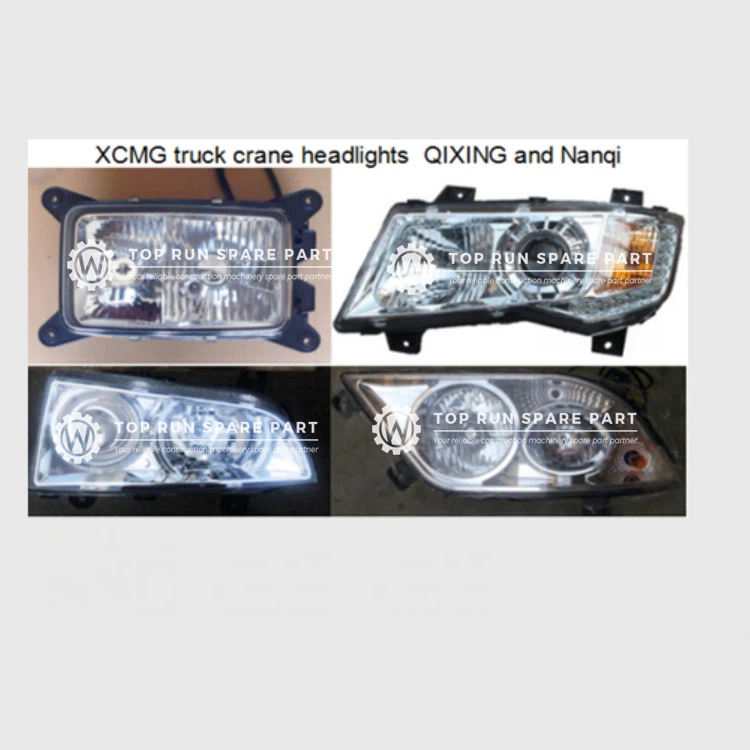
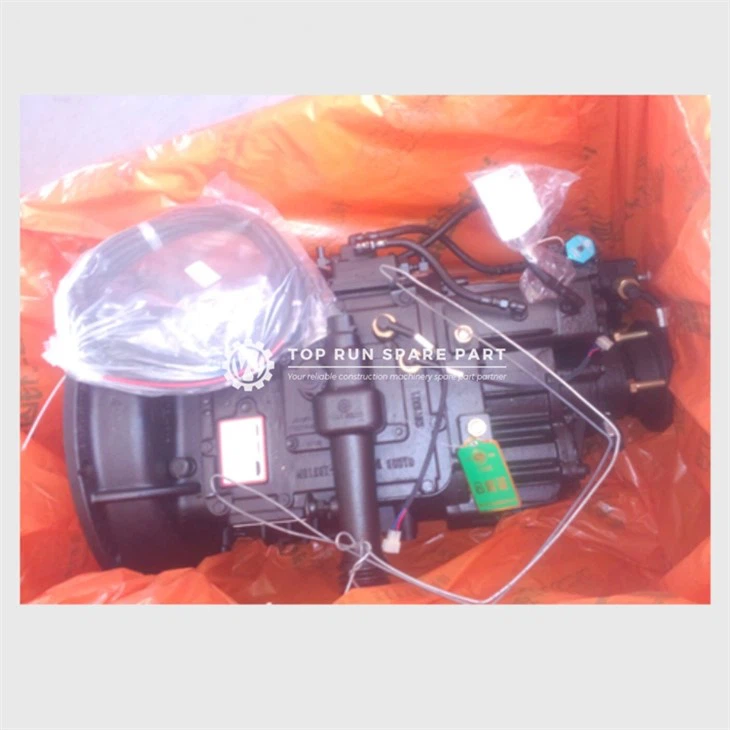
In addition to ensuring the proper functionality of the crane load display, it is also important to consider the availability of high - quality crane spare parts. For example, Truck Crane Lights are essential for providing visibility during crane operations, especially in low - light conditions. Truck Crane Gearbox plays a crucial role in the power transmission of the crane, and a reliable gearbox can improve the overall performance of the crane. Balance Beam Repair Kit Spare Parts are necessary for maintaining the balance and stability of the crane.
Conclusion
Testing the functionality of a new crane load display is a comprehensive process that requires careful planning, proper equipment, and detailed analysis. By following the methods and procedures outlined in this blog post, you can ensure that the crane load display is accurate, reliable, and fully functional. If you have any questions or need further assistance with crane load displays or related products, feel free to contact us for more information and to discuss your procurement needs.
References
Crane Load Display Installation and User Manuals
Standards and Guidelines for Crane Safety and Load Measurement
Technical Literature on Crane Sensors and Display Systems
Categories
QR Code


