What is the power consumption of a Crane Compressor?
 Language
 Français
 Español
 Árabe
Árabe
 Deutsch
 简体中文
简体中文
 Português
 Русский
 日本語
日本語
 한국어
한국어
 हिंदी
हिंदी
 Prancis
 Türkçe
 Tiếng Việt
 Italiano
 ไทย
ไทย

-
Tel
+86 15275228746
-
WhatsApp/WeChat
8615275228746
Blog
Company intro
10000m 2+ Cover Area QINGDAO TOP RUN INTERNATIONAL TRADE CO., LTD Qingdao Top Run International Trade Co., Ltd. has been a professional and leading supplier of construction machinery spare parts in China for over 15 years. With extensive experience and expertise, we have established strong partnerships with top manufacturers to offer a wide range of genuine and OEM parts for brands such as XCMG, SANY, ZOOMLION, SHANTUI, LIUGONG, and more. 80+ Employees View more Looking for properate products? Contact us
Send Message
What is the power consumption of a Crane Compressor?
Jun 18, 2025
View: 179
Hey there! As a supplier of Crane Compressors, I often get asked about the power consumption of these machines. It's a crucial question, especially for those looking to manage their operational costs and ensure energy efficiency. In this blog, I'll break down the factors that influence the power consumption of a Crane Compressor and give you a better understanding of what to expect.
First off, let's talk about what a Crane Compressor is. It's a type of compressor used in various crane applications to provide the necessary compressed air or gas for different functions, like operating pneumatic tools, controlling valves, and powering other equipment on the crane. These compressors come in different sizes and types, each with its own power requirements.
One of the main factors that affect the power consumption of a Crane Compressor is its size and capacity. Larger compressors with higher capacities generally consume more power than smaller ones. This is because they need to work harder to compress a larger volume of air or gas. For example, a compressor designed for a large industrial crane will likely have a higher power rating compared to one used in a smaller, more lightweight crane.
The type of compressor also plays a significant role. There are different types of Crane Compressors, such as reciprocating compressors, rotary screw compressors, and centrifugal compressors. Reciprocating compressors use pistons to compress the air, and they can be quite energy-intensive, especially if they're running continuously. Rotary screw compressors, on the other hand, are more efficient and can save energy in the long run. They work by using two rotating screws to compress the air, which is a more continuous and efficient process. Centrifugal compressors are typically used in large-scale applications and are known for their high efficiency at high flow rates.
Another important factor is the operating pressure. The higher the pressure the compressor needs to achieve, the more power it will consume. This is because compressing air or gas to a higher pressure requires more energy. For instance, if a crane application requires the compressor to deliver air at a very high pressure, say 150 psi or more, the compressor will have to work harder and use more power compared to one operating at a lower pressure, like 100 psi.
The duty cycle of the compressor also affects power consumption. The duty cycle refers to the amount of time the compressor is actually running compared to the total time it's available. If a compressor has a high duty cycle, meaning it's running most of the time, it will consume more power over a given period. On the other hand, a compressor with a low duty cycle, where it only runs intermittently, will use less power. For example, if a crane only needs the compressor to operate for short bursts during certain lifting operations, the power consumption will be lower compared to a crane where the compressor runs continuously.
Now, let's talk about some ways to reduce the power consumption of a Crane Compressor. One of the most effective ways is to choose the right size and type of compressor for the specific crane application. Make sure you accurately assess the air or gas requirements of your crane and select a compressor that can meet those needs without being oversized. An oversized compressor will not only consume more power but may also lead to inefficiencies and increased wear and tear.
Regular maintenance is also crucial. Keeping the compressor in good working condition can improve its efficiency and reduce power consumption. This includes things like changing the air filters regularly, checking and tightening the belts, and lubricating the moving parts. A dirty air filter, for example, can restrict the airflow and make the compressor work harder, which in turn increases power consumption.
Using energy-efficient features can also make a big difference. Some modern Crane Compressors come with features like variable speed drives (VSDs). These drives allow the compressor to adjust its speed based on the actual demand for compressed air or gas. When the demand is low, the compressor can run at a lower speed, consuming less power. When the demand increases, it can ramp up the speed to meet the requirements. This can result in significant energy savings over time.
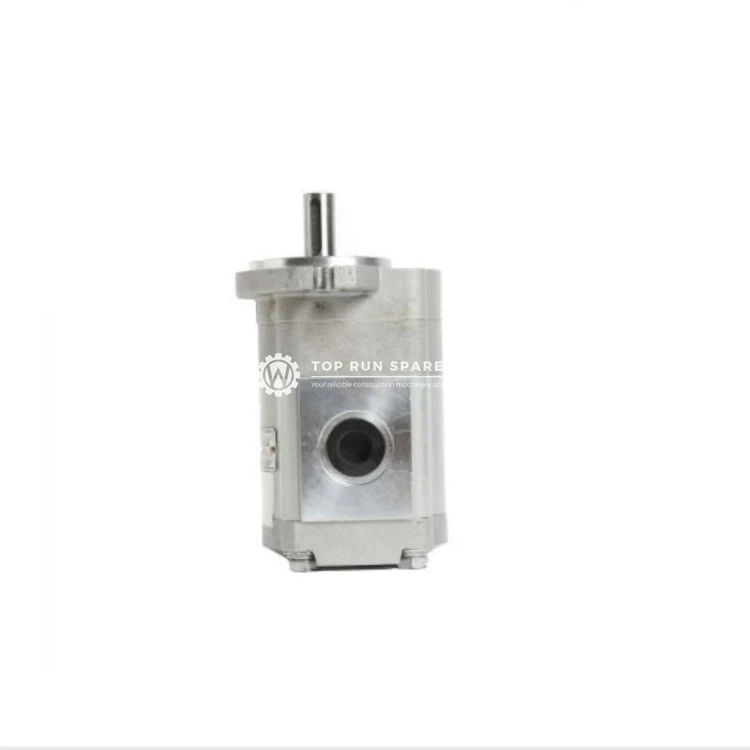
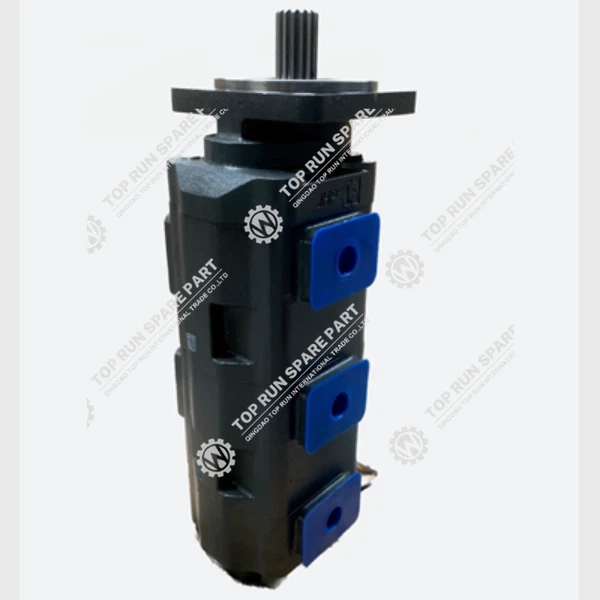
Let's take a look at some related spare parts that can also impact the overall performance and power consumption of the crane system. The 60185393 Gear Motor is an important component that helps drive the compressor. A high-quality gear motor can ensure smooth and efficient operation, which can contribute to lower power consumption. Similarly, the Triple Gear Pump and the Hydraulic Gear Pump 60004298 are essential for the hydraulic system of the crane. If these pumps are working efficiently, they can reduce the load on the compressor and help save energy.
In conclusion, the power consumption of a Crane Compressor depends on several factors, including its size, type, operating pressure, and duty cycle. By understanding these factors and taking steps to optimize the compressor's performance, you can reduce power consumption and save on energy costs. If you're in the market for a Crane Compressor or need to replace some of the related spare parts, I'd be more than happy to help. Whether you're looking for a new compressor or need advice on improving the efficiency of your existing one, feel free to reach out and start a conversation about your specific needs.
References
Compressor Handbook: Principles, Technology, and Applications
Crane and Hoist Engineering Manual
Categories
QR Code


